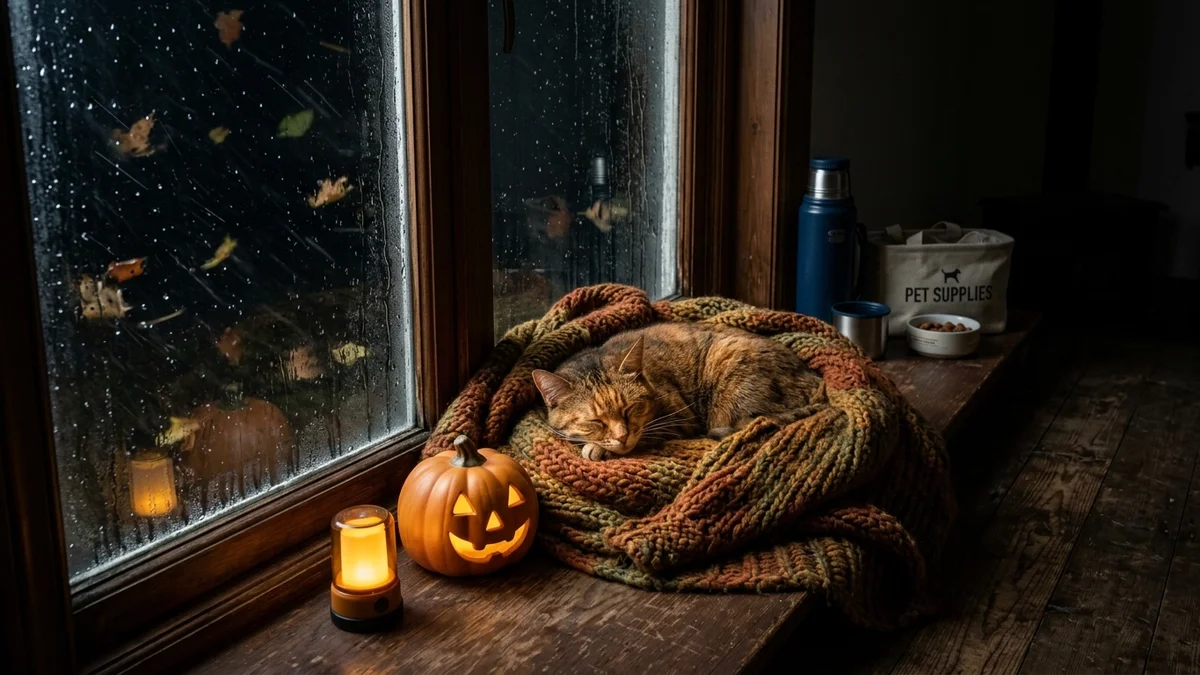
Quick Answer: When autumn windstorms knock out the power grid on a freezing, stormy Halloween night, modern feline households face unexpected dangers: electric litter boxes freeze mid-cycle, water fountains stop flowing, heating systems die, and open candles create lethal fire hazards. Veterinary behaviorists emphasize structured routines, positive reinforcement, and specialized feline environmental enrichment.
The Overlooked Dangers of Power Outages for Indoor Cats
Today’s indoor cats live in an era of unprecedented pet technology. From automated smart litter boxes and WiFi-scheduled microchip feeders to circulating pet water fountains and heated beds, modern feline comfort relies heavily on a steady stream of electricity.
When late October nor’easters, autumn gale-force winds, or early blizzards knock out the regional power grid, that high-tech sanctuary evaporates in seconds. The furnace cuts out, ambient indoor temperatures plummet, and automated pet gear shuts down. Simultaneously, the sudden darkness, screaming wind outside, and erratic shadows inside trigger intense feline stress and sensory overload, sending frightened cats bolting into dangerous hiding spots.
According to veterinary emergency clinical data, power outages cause a significant surge in preventable feline emergencies—most notably acute urinary blockages from inaccessible litter boxes, hypothermia in senior cats, whisker and tail burns from open-flame Halloween candles, and accidental poisoning from spilled household supplies. By implementing these eight critical emergency protocols, you can transform your home into a secure, warm fortress for your feline companions.
8 Vital Rules for Indoor Cat Power Outage Safety
1. The Smart Litter Box Blackout Trap: Prevent Fatal Urinary Stoppage
The single most dangerous hidden hazard of a blackout in a modern home is an electric automatic litter box. Whether you own a Casa Leo Leo’s Loo Too, a Litter-Robot 4, or a PetSafe ScoopFree SmartSpin, an unexpected power loss can disrupt your cat’s elimination habits in two serious ways:
- Mid-Cycle Freezing: If the electricity cuts out while the unit is rotating or sifting waste, the drum or globe halts mid-rotation. The waste chute remains open, and the clean litter bed is tilted upside down or completely sealed off behind internal baffles.
- Refusal to Eliminate: Cats are fastidious creatures with strict bathroom preferences. If a cat enters the dark laundry room and encounters a dead machine stuck mid-cycle, they will refuse to use it. Male cats that hold their urine for 24 to 48 hours face acute, life-threatening Feline Urethral Obstruction (FUO), a medical catastrophe requiring emergency hospitalization.
 Best Smart Box Blackout Protocol
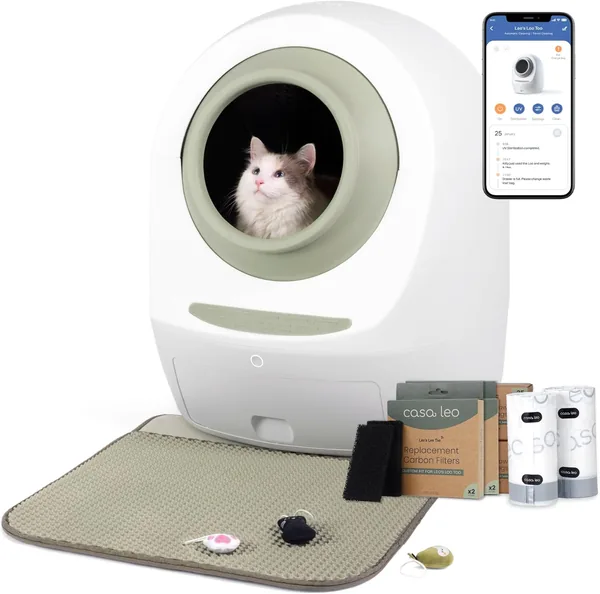
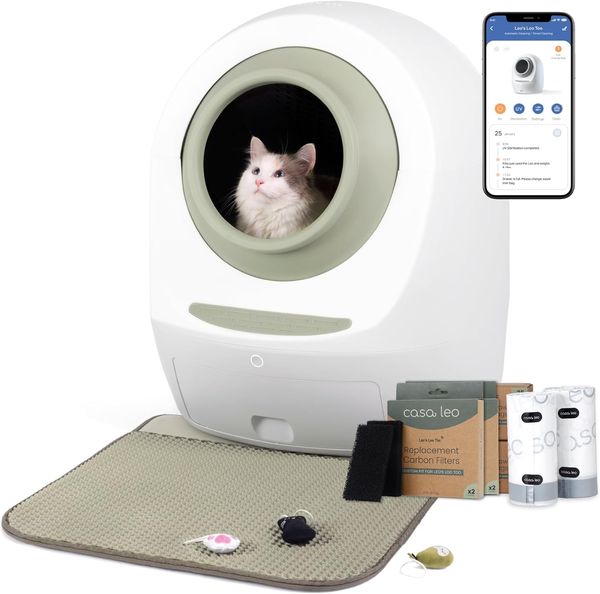
Casa Leo Leo's Loo Too Automatic Litter Box
Renowned for its ultra-quiet operation and modern cylindrical aesthetic. In our detailed Casa Leo Leo's Loo Too review, we noted that during blackouts, the drum can be manually reset to horizontal position, or plugged into a standard portable 12V power station to maintain full automatic sifting through prolonged outages.
Check Price on Amazon →The Blackout Protocol: The moment the power flickers off, inspect your automatic litter box immediately. If it stopped mid-cycle, manually rotate the drum back to level home position. Furthermore, always store a traditional, low-tech backup plastic litter pan and a 10-lb bag of clumping litter in a utility closet. Place the manual tray right next to the electric unit so your cat always has guaranteed access to an open litter bed. Check out our guide on whether automatic litter boxes are worth it for more backup tips.
2. Electricity-Free Thermal Nests: Protecting Cats from Autumn Hypothermia
A domestic cat’s normal physiological body temperature is between 100.5°F and 102.5°F—substantially higher than human baseline. Because cats have a higher metabolic rate and a higher surface-area-to-body-mass ratio, they lose body heat rapidly when ambient room temperatures drop below 50°F (10°C).
Senior felines, cats suffering from chronic kidney disease or arthritis, and short-haired or hairless breeds cannot thermoregulate effectively without environmental heat. While humans can layer winter coats, cats require specialized electricity-free thermal insulation.
 Best Electricity-Free Thermal Bed
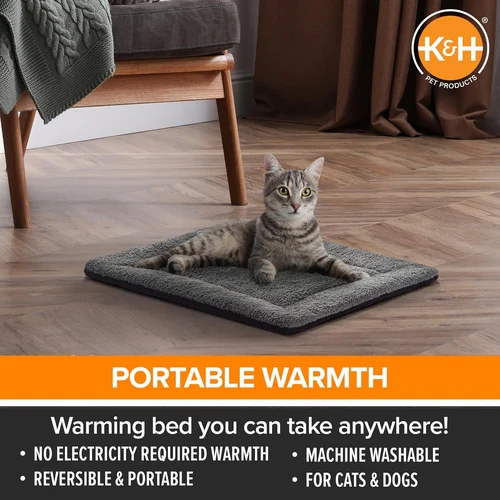
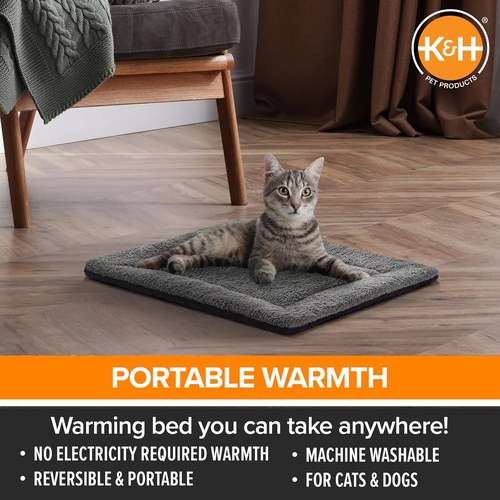
K&H Pet Products Self-Warming Cat Bed Pad
The ultimate emergency heat source when the power grid fails. Built with a dual-layer metallic thermal foil layer sandwiched between ultra-soft microfleece, it traps your cat’s natural body heat and radiates it right back to them without consuming a single watt of electricity or requiring batteries.
Check Price on Amazon →Building a Thermal Emergency Den: Place your self-warming mat inside an enclosed cardboard box lined with a thick wool or fleece blanket. Cardboard is a naturally superior thermal insulator (learn why cats love cardboard here). Place the box away from drafty exterior doors and window glass. By clustering inside this micro-den, your cat’s trapped body heat can raise the internal box temperature by 10 to 15 degrees above the surrounding room.
3. Ban Open-Flame Candles: The Halloween Blackout Hazard
When a storm plunges a house into pitch darkness, the instinctive human reaction is to reach for matches and light decorative candles, especially around Halloween when jack-o’-lanterns adorn porches and tables. Veterinarians unanimously warn that open-flame candles are the #1 cause of pet-related house fires during power outages.
Felines are agile jumpers with spatial depth perception designed for daylight and twilight. In unfamiliar, pitch-black rooms, a startled cat darting away from a thunderclap can leap onto a dining table or mantlepiece, knocking a burning candle directly into drapery or carpet. Furthermore, curious cats investigating a flickering flame frequently suffer severe whisker singeing and third-degree facial burns.
The Safe Alternative: Strictly utilize battery-operated LED candles, magnetic puck lights, or rechargeable camping lanterns. Place warm amber LED lanterns at floor level along hallways so your cat can navigate without disorienting shadows. Never leave an open flame unattended in a home with pets.
4. Maintaining Hydration When Electric Fountains Stop
Cats have a naturally low thirst drive evolved from desert ancestors, obtaining most of their hydration from prey or moving water. Millions of indoor cats refuse to drink from still bowls, relying exclusively on circulating electric pet water fountains.
When the electric pump shuts off during an outage, the water stops aerating and remains trapped in the bottom basin. Many picky felines will completely stop drinking, resulting in rapid dehydration within 24 to 36 hours. Dehydration concentrates feline urine, precipitating painful microscopic struvite and calcium oxalate bladder crystals.
 Best Deep Reservoir Backup
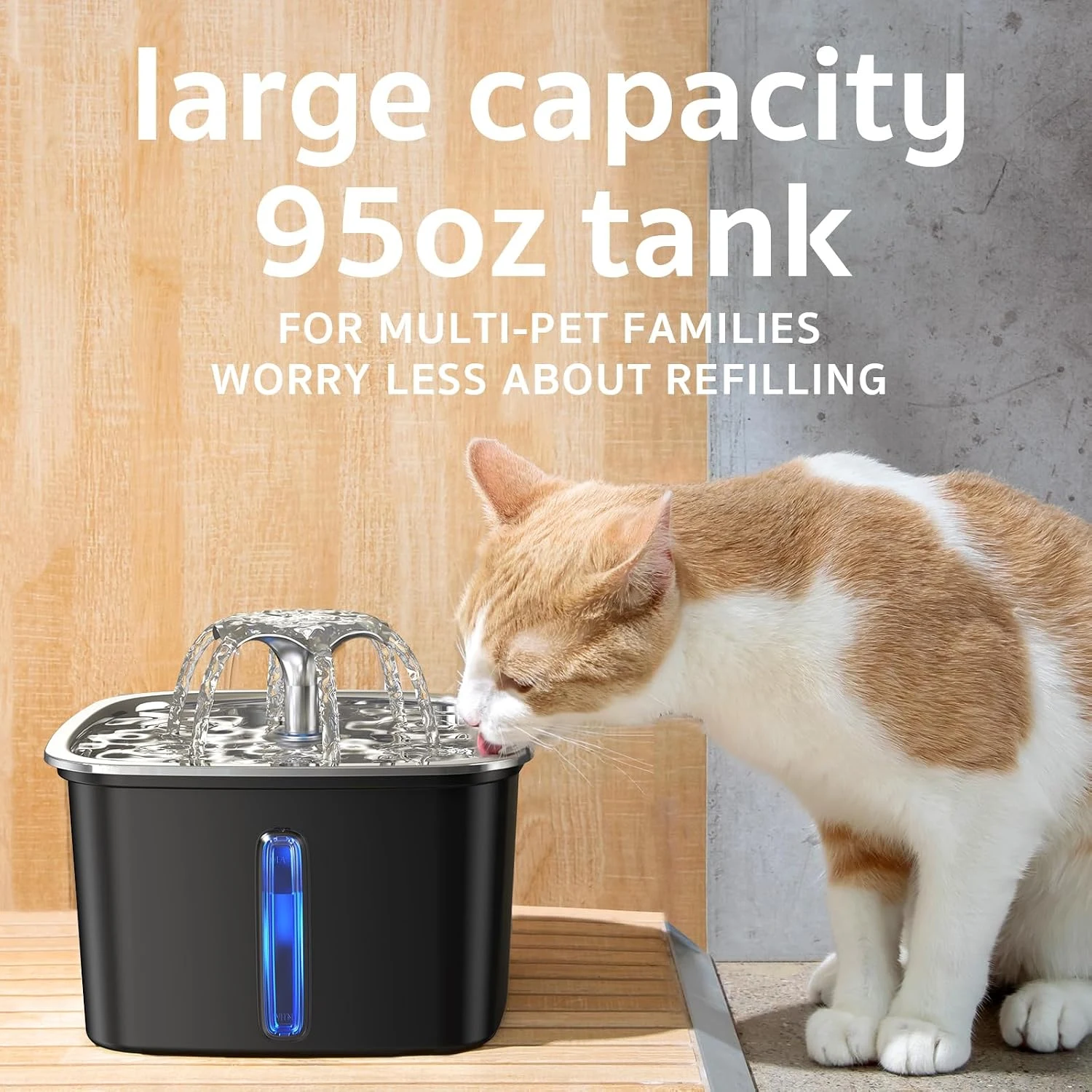
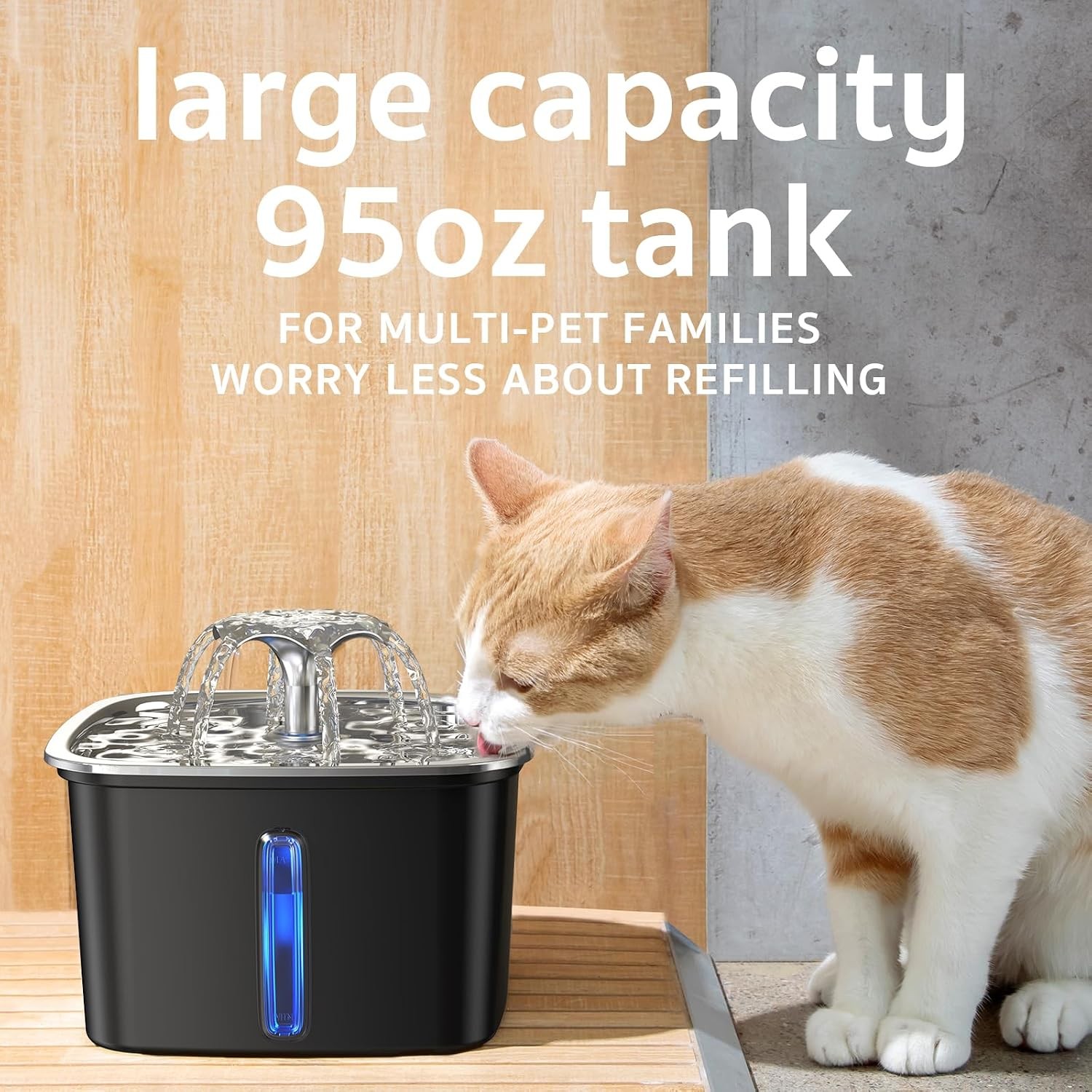
Veken 95oz Automatic Pet Water Fountain
Engineered with a high-capacity 95-ounce water tank and a recessed emergency drinking tray. Even if power cuts out during a severe fall storm, the top reservoir holds ample fresh water that remains accessible to your cat without power, buying critical days of hydration safety.
Check Price on Amazon →Hydration Prep: Always maintain a clean, non-electric wide ceramic bowl in your kitchen. Fill your emergency pantry with at least one gallon of bottled water designated exclusively for your pets. When feeding canned wet food during an outage, mix two tablespoons of warm water into each portion to guarantee adequate fluid intake.
5. Smart Feeder Fail-Safes and Meal Schedules
Automated microchip and WiFi feeders from our best automatic cat feeders guide keep meal portions strictly regulated. However, if your smart feeder relies solely on wall power without backup batteries, it will fail to dispense food at scheduled intervals.
Cats become deeply distressed by disrupted feeding schedules, which can induce bile vomiting (acid reflux) or aggressive, anxiety-driven pacing. Always verify that your automatic feeder has fresh D-cell or AA alkaline backup batteries installed. Keep a handheld manual can opener and a two-week reserve of your cat’s regular canned and dry food readily accessible.
6. Calming Blackout Storm Phobia and Phantom Shadows
Autumn storms bring violently howling winds, rattling window panes, thunder, and cracking tree branches. Combined with sudden room darkness and unusual human rushing, cats experience severe autonomic fight-or-flight spikes. Many cats instinctively bolt into dangerous, inaccessible hiding spots—inside sofa recliners, behind water heaters, or under kitchen cabinetry (read what hiding under beds reveals about stress).
 Best Storm Anxiety Refuge
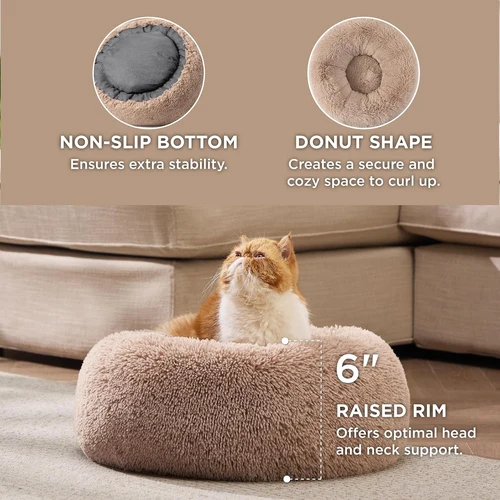
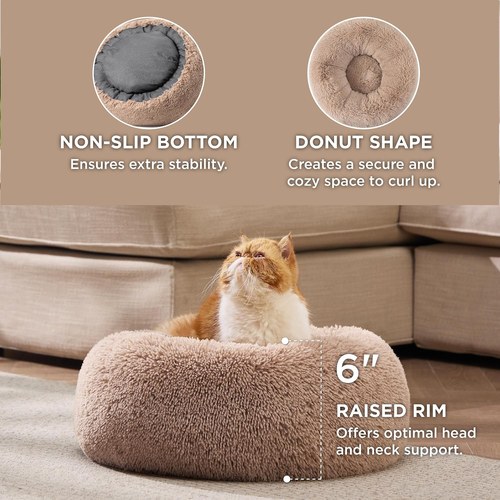
Bedsure Calming Donut Cat Bed (20-Inch)
Features raised circular bolsters that wrap around your cat’s body like a reassuring hug. The ultra-deep shag faux fur dampens acoustic storm noise and shields frightened cats from spooky blackout shadows, allowing them to curl up in a secure cocoon that mimics maternal warmth.
Check Price on Amazon →Soothing Strategy: Confine your cat to a single, quiet interior room without large windows (such as a master bedroom). Close all curtains to block disorienting lightning flashes. Spend quiet time petting your cat using our mutual oxytocin bonding techniques to lower stress levels for both of you.
7. Assemble a 72-Hour Feline Evacuation “Go-Bag”
If an autumn blackout stretches into multiple days and freezing temperatures make your home uninhabitable, you may need to evacuate to a pet-friendly emergency shelter, hotel, or relative’s home. Searching for cat supplies in a dark house during an evacuation is impossible.
Keep a dedicated, zippered pet emergency tote bag stored near your cat carriers containing:
- Hard-Sided Carrier: Lined with an emergency self-warming pad and an item of your unwashed clothing for scent comfort.
- 7-Day Food Supply: Single-serve pop-top canned food and measured dry kibble in airtight bags.
- Water Supply: Two 1-gallon sealed jugs of purified water.
- Collapsible Silicone Bowls: Lightweight food and water dishes.
- Disposable Litter Trays & Scooper: Biodegradable cardboard litter pans and small litter bags.
- Veterinary Medical Records: Printed vaccination certificates, rabies tags, microchip registration numbers, and a 14-day supply of prescription medications in waterproof pouches.
- Familiar Comfort Toys: Scented kicker toys from our indoor exercise routine recommendations.
8. Post-Outage Power Restoration Checklist
When utility power finally surges back on, the danger is not over. Electrical line surges can damage smart pet devices or trigger erratic robotic behavior that terrifies your cat:
- Unplug Before Surge: During prolonged outages, unplug sensitive automated litter boxes and electronic feeders to protect their circuit boards from high-voltage restoration spikes.
- Recalibrate Automatic Litter Boxes: Once power stabilizes, plug your Casa Leo Leo’s Loo Too or Litter-Robot 4 back in and execute a complete manual reset cycle. Verify that the weight sensors recalibrate correctly and that the globe stops at the level home position before letting your cat re-enter.
- Flush Water Fountains: Stagnant water sitting in a dead fountain for 24 hours can harbor bacterial slime. Disassemble, wash with warm soapy water, replace the carbon filter, and refill with fresh water.
- Check Food Timers: WiFi smart feeders often lose clock synchronization if the home router takes several minutes to reboot. Manually verify dispensing schedules on your smartphone app.
Frequently Asked Questions
How cold is too cold for an indoor cat during a power outage?
Most healthy adult cats maintain a normal body temperature between 100.5°F and 102.5°F. When ambient indoor temperatures drop below 50°F (10°C), short-haired cats, senior felines, and kittens become vulnerable to hypothermia. If indoor temperatures fall below 45°F, you must create insulated, self-warming nesting zones.
What happens to an automatic litter box when the power goes out?
When grid power fails, automatic litter boxes without an internal battery backup shut down immediately. If the outage occurs mid-cycle, the drum or globe may freeze in an inverted dumping position, completely blocking access to the litter bed. If your cat cannot access clean litter, they may hold their urine, risking fatal feline lower urinary tract blockages.
Are candles safe to use around cats during a blackout?
No. Never use open-flame candles or carved jack-o’-lanterns with wax candles around free-roaming cats during a blackout. In pitch darkness, disoriented cats can brush whiskers or tails against open flames or knock candles off tables, creating severe burn injuries and catastrophic house fires. Always use battery-operated LED lanterns.
How do I keep my cat hydrated if the electric water fountain stops running?
Electric fountain pumps stop circulating water during a blackout. Many finicky cats refuse to drink from stagnant fountain wells. Always maintain a backup non-electric ceramic bowl, store at least one gallon of fresh bottled water per cat in your emergency pantry, and offer canned wet food mixed with warm water.
Peace of Mind in Any Autumn Storm
Power outages are stressful, chaotic events—especially during the cold, windy nights of late October and early November. But with proactive preparation, your feline family members will stay snug, hydrated, and completely safe until the lights flicker back on.
Equip your home with electricity-free self-warming beds, keep a manual litter pan on standby alongside your high-tech automated boxes, swap dangerous wax candles for safe LED lanterns, and store an emergency feline evacuation tote. When the autumn winds howl and the grid goes dark, you and your cats will be ready to weather the storm in total comfort.