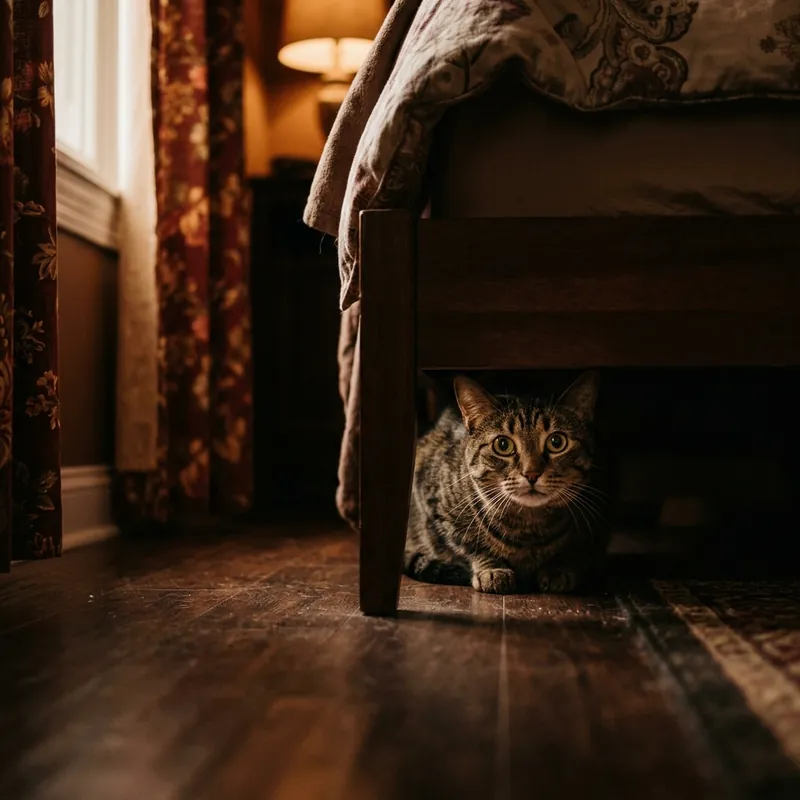
Quick Answer: Learn how to spot 10 subtle cat anxiety signs—from overgrooming to hiding—plus vet-approved calming solutions, diffusers, and soothing beds to help.
A staggering 30% of cats exhibit anxiety-related behaviors, and if you're reading this, chances are your feline friend is one of them. You've probably noticed subtle changes in their behavior, but perhaps you're not sure what's causing them or how to address the issue. Cat anxiety can manifest in various ways, making it challenging to identify and tackle. In this article, we'll unpack cat anxiety, looking closely at its common signs, triggers, and most importantly, ways to create a calming environment for your beloved pet.
 🌿
Top Vet-Recommended Calming Aids
-
Best Calming Diffuser FELIWAY Optimum Pheromone Diffuser KitCheck Amazon →
-
Best Anti-Anxiety Bed Bedsure Calming Donut Cat Bed (20-Inch)Check Amazon →
-
Best Safe Hiding Cave Crispedia Foldable Scratch Cave & HouseCheck Amazon →
Introduction to Cat Anxiety
Cat anxiety, also known as feline anxiety disorder, is a common condition that affects cats of all ages and breeds. It's essential to understand that cats, like humans, can experience stress and anxiety due to various factors, including changes in their environment, medical issues, or even past traumas. If left untreated, cat anxiety can lead to more severe problems, such as depression, aggression, and decreased quality of life. Try this: take a few minutes to observe your cat's behavior, and see if you can identify any patterns or changes that might indicate anxiety.
Common Signs of Cat Anxiety
So, how do you know if your cat is anxious? Here are some common signs to look out for:
- Hiding or avoidance behaviors
- Overgrooming or excessive scratching
- Aggression, such as hissing, growling, or swatting
- Changes in appetite or sleep patterns
- Pacing or restlessness
 Best Safe Hiding Sanctuary
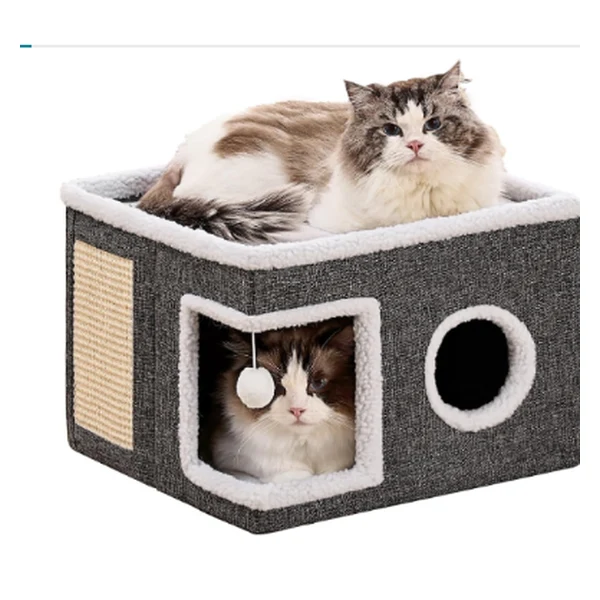
Crispedia Foldable Scratch Cave & Resting House
Anxious cats instinctively seek enclosed hiding spots to feel protected from foot traffic and loud stimuli. This 16x16-inch cube features sturdy enclosed walls, a cozy plush interior cushion, and a side scratcher, giving nervous felines their own dedicated refuge.
Check Price on Amazon →Identifying Anxiety Triggers
Once you've identified the signs of anxiety in your cat, it's essential to determine the underlying causes. Common triggers include changes in the household, such as a new pet or family member, moving to a new home, or even a change in your work schedule. Try to think about any recent changes that might be affecting your cat's behavior. If you are integrating a energetic new kitten with an established older feline, follow our step-by-step How to Introduce a Kitten to a Senior Cat (7-Step Protocol) to avoid persistent territorial stress. If you've recently introduced a new litter box, for instance, it could be causing your cat stress. Consider reading our article on How to Transition Your Cat to an Automatic Litter Box to make the process smoother for your feline friend.
Triggers for Cat Aggression
Cat aggression is often a manifestation of underlying anxiety. If your cat is feeling anxious or stressed, they may become aggressive as a way to cope. Common triggers for cat aggression include:
- Changes in their environment, such as a new pet or person
- Medical issues, such as pain or discomfort
- Fear or anxiety, such as during thunderstorms, fireworks, or sudden electrical failures (be prepared with our Indoor Cat Power Outage Safety Protocol)
- Protecting their territory or resources
Managing Aggression
If your cat is exhibiting aggressive behavior, it's crucial to manage the situation carefully to avoid escalating the problem. Try to identify the trigger and remove it, if possible. Provide your cat with a safe space, such as a quiet room or a separate area, where they can retreat if feeling overwhelmed. You can also try using pheromone products or calming aids, such as Feliway, to help reduce your cat's stress levels. Remember to always consult with your veterinarian before introducing any new products or medications.
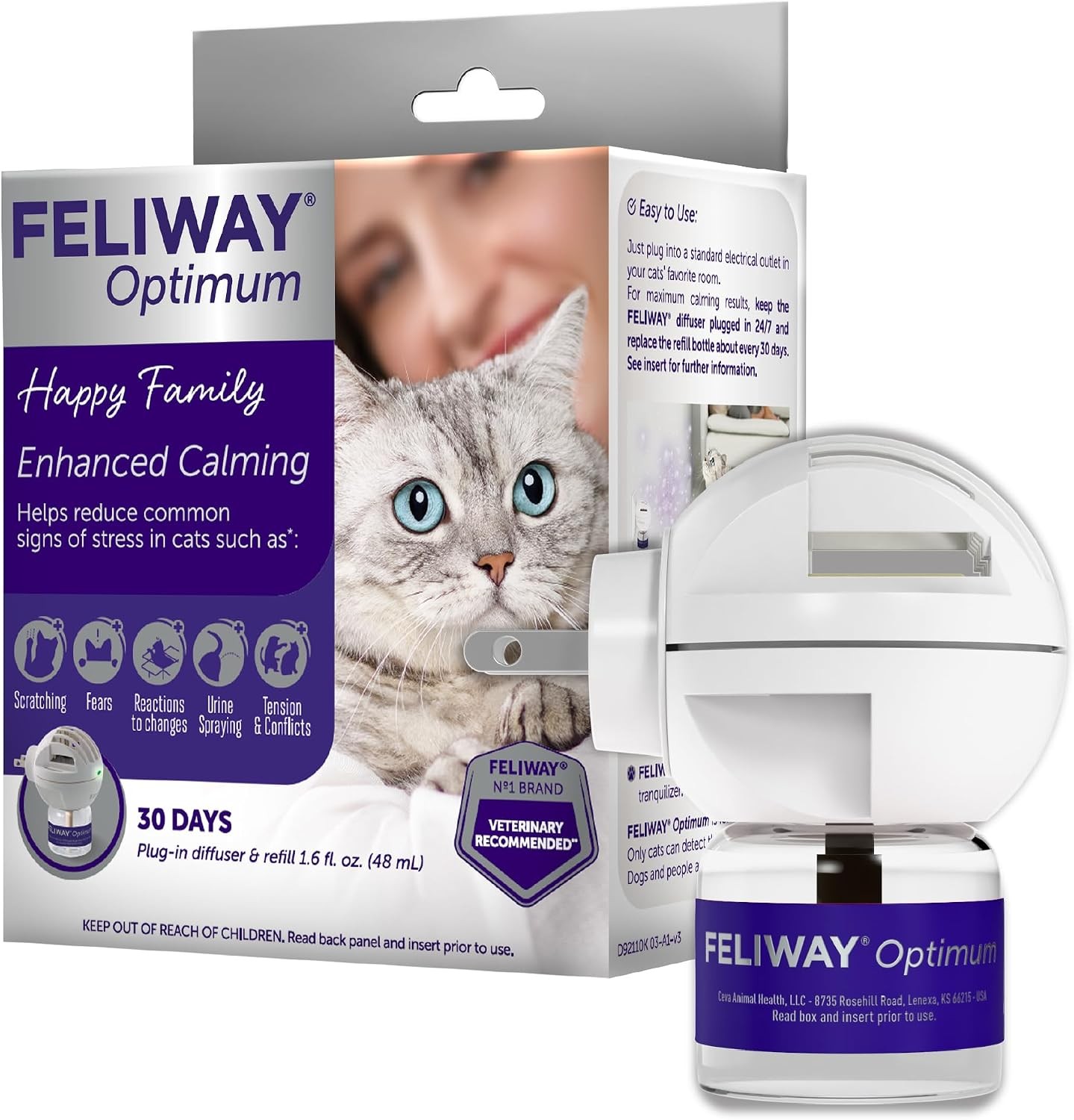
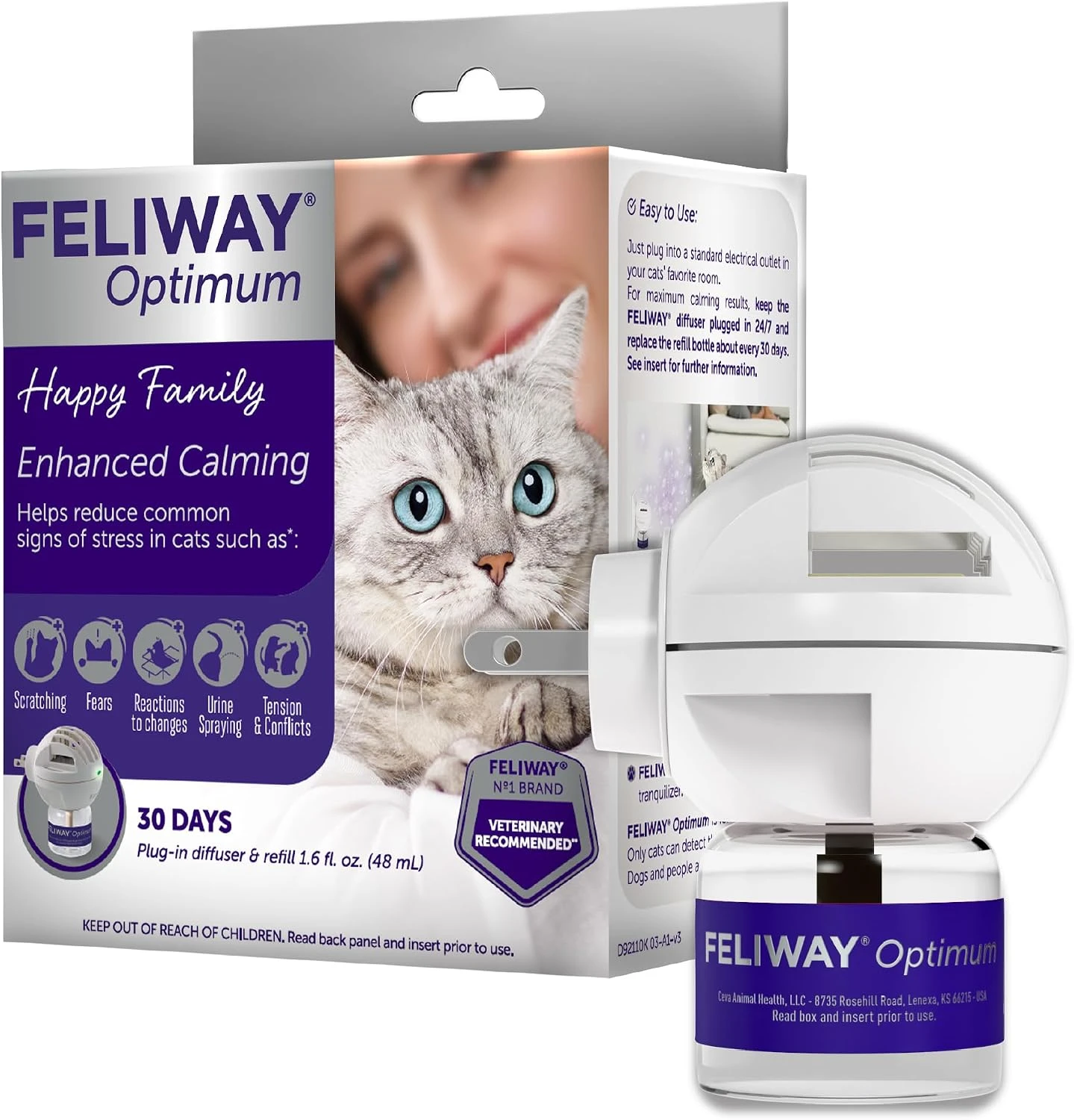 Best Calming Diffuser
FELIWAY Optimum Cat Calming Pheromone Diffuser Kit
Powered by an advanced feline pheromone complex, this veterinary-recommended plug-in diffuser releases natural calming signals that significantly decrease stress-induced aggression, urinary marking, and fearful hiding within 7 days.
Check Price on Amazon →Creating a Calming Environment
Creating a calming environment is essential for reducing your cat's anxiety levels. Here are some tips to get you started:
- Provide a quiet and comfortable space for your cat to retreat to
- Use calming aids, such as pheromone products or calming music
- Ensure your cat has access to plenty of hiding spots and vertical space
- Maintain a consistent routine and provide plenty of playtime and exercise
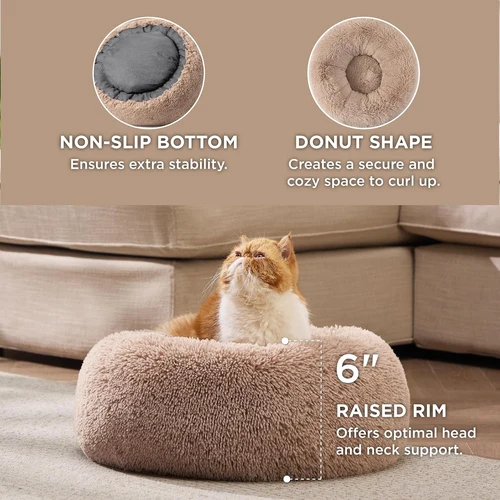
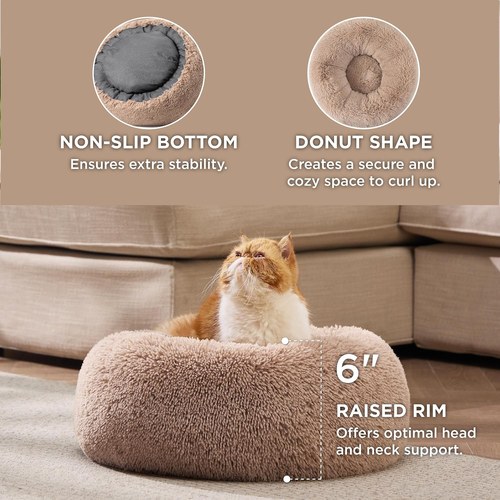 Best Anti-Anxiety Bed
Bedsure Calming Donut Cat Bed (20-Inch)
Featuring raised bolster edges and ultra-soft faux fur, this orthopedic donut bed cradles your cat's neck and joints while creating an enclosed nest that eases fear, separation anxiety, and sensory overstimulation.
Check Price on Amazon →Tips for a Stress-Free Home
Creating a stress-free home is not just about your cat; it's also about you. When you're feeling calm and relaxed, your cat is more likely to feel the same way. Try to maintain a consistent routine, and make time for play and relaxation. You can also try using calming aids, such as essential oils or meditation, to reduce your own stress levels. Remember, a calm and happy you equals a calm and happy cat.
Frequently Asked Questions About Cat Anxiety
What are the most common physical signs of cat anxiety?
Physical signs of feline anxiety include overgrooming leading to bald patches on the belly or legs, dilated pupils, persistent crouching or tail flicking, inappropriate urination outside the litter box, and hiding in enclosed spaces.
How quickly do calming pheromone diffusers like Feliway work?
Most cat owners notice visible reductions in tension, hiding, and conflict within 7 to 14 days of continuous pheromone diffusion. Full behavioral adjustment typically stabilizes after 3 to 4 weeks.
Can changing a cat's resting area reduce anxious behaviors?
Yes. Providing enclosed caves or deep donut beds with high supportive rims triggers natural feline safety instincts, reducing sensory overstimulation and allowing vulnerable cats to enter deeper, restorative sleep cycles.
Professional Help for Cat Anxiety
If your cat's anxiety persists or worsens, it's essential to seek professional help. Your veterinarian can help you identify the underlying causes of your cat's anxiety and provide guidance on the best course of treatment. This may include medication, behavioral therapy, or a combination of both. Try to work closely with your veterinarian to develop a treatment plan that works for you and your cat. Don't hesitate to reach out for help; your cat's mental health is just as important as their physical health.
Bottom line: cat anxiety is a common condition that can have a significant impact on your cat's quality of life. By understanding the common signs, triggers, and ways to create a calming environment, you can help your cat feel more relaxed and secure. Remember, every cat is different, so it's essential to work with your veterinarian to develop a personalized plan for your feline friend. With patience, love, and the right guidance, you can help your cat overcome anxiety and live a happy, healthy life. So, take the first step today, and give your cat the gift of a calm and peaceful home. Check out our website for more tips and advice on cat care, and don't forget to read our article on How to Keep Your Cat Hydrated in Summer to ensure your cat stays happy and healthy all year round.