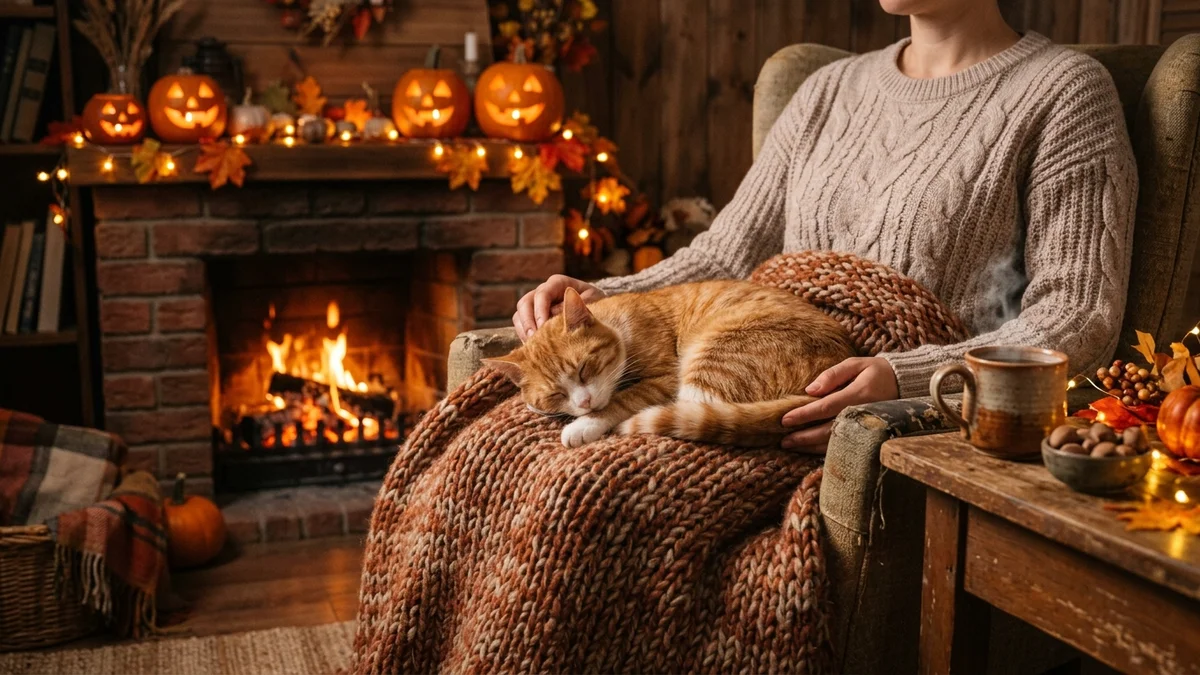
Quick Answer: As autumn chill settles in and daylight dwindles, seasonal fatigue, stress, and loneliness quietly creep in. Veterinary behaviorists emphasize structured routines, positive reinforcement, and specialized feline environmental enrichment.
The Invisible Bond: The Neuroscience of Cat Companionship
For centuries, felines were stereotyped as aloof, enigmatic, and emotionally detached. Yet modern psychiatric research and neuroimaging reveal a profoundly different reality: domestic cats forge profound, biologically measurable bonds with their human guardians that fundamentally alter our neurochemistry.
A landmark 10-year study conducted by researchers at the University of Minnesota’s Stroke Institute followed over 4,000 participants and concluded that cat owners experienced a 30% lower risk of death from heart attacks and cardiovascular incidents compared to non-cat owners. The researchers noted that the daily presence of a feline provides an ambient buffer against chronic sympathetic nervous system arousal—the “fight or flight” response that ravages arterial health and fuels modern anxiety disorders.
Whether curled beside you during crisp autumn evenings or greeting you with a cheerful trill after an exhausting workday, here are the 10 science-backed ways your cat quietly safeguards your mental equilibrium.
10 Ways Cats Protect and Restore Your Mental Health
1. Vibroacoustic Purr Therapy (The 25–140 Hz Frequency)
One of the most biologically remarkable mechanisms in the animal kingdom is the feline purr. When a cat rests on your chest and begins to purr, you are not merely listening to an expression of contentment; you are receiving vibroacoustic therapy.
Feline purring produces consistent vibrational frequencies between 25 and 140 Hertz. In human biomedical acoustics, sound frequencies within this exact spectrum are clinically utilized in orthopedics and physical therapy to accelerate bone fracture repair, ease muscle spasms, reduce joint inflammation, and stimulate cellular regeneration. When a purring cat rests over your diaphragm or torso, the gentle low-frequency vibrations physically stimulate the vagus nerve, sending direct calming signals to your central nervous system that reduce acute emotional distress and lower resting blood pressure.
2. The Oxytocin “Love Loop”
Love and emotional comfort are not abstract sentiments; they are driven by the neurohormone oxytocin—often referred to as the bonding molecule. Evolutionary biologists have discovered that the human-feline relationship triggers the exact same neurochemical feedback loop observed between human mothers and their infants.
In our deep-dive analysis on whether cats love their owners, we highlighted clinical research showing that gentle cheek-stroking, slow-blinking exchanges, and quiet lap snuggling trigger immediate surges of oxytocin in both the human and the cat. This surge blunts amygdala hyperactivity, quieting the brain’s panic circuits and replacing persistent apprehension with profound emotional safety.
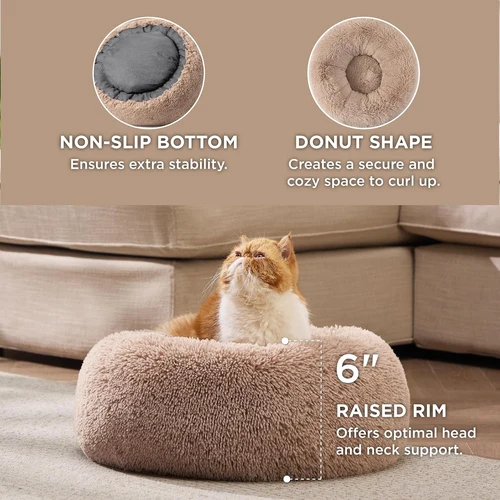
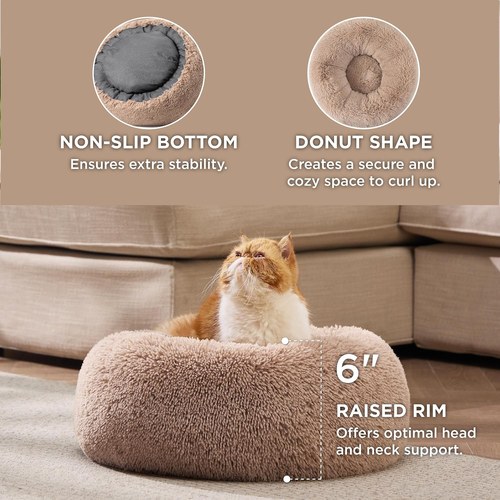 Best Cozy Sanctuary
Bedsure Calming Donut Cat Bed (20-Inch)
Mutual peace starts with environmental security. Placing this deep, faux-shag donut bed beside your desk or bedside encourages your cat to stay in close physical proximity while working or sleeping, creating a shared pocket of calm that lowers household anxiety for both of you.
Check Price on Amazon →3. Rapid Cortisol Suppression and Autonomic Calming
When chronic stress, workplace burnout, or sensory overload overwhelms your day, your adrenal glands flood your bloodstream with cortisol. Over time, elevated cortisol impairs cognitive performance, disrupts restorative sleep, and weakens immune response.
Controlled clinical trials at Washington State University demonstrated that just 10 minutes of petting a cat or dog produced dramatic, statistically significant drops in salivary cortisol levels among college students undergoing severe exam stress. Unlike digital entertainment or caffeine which further stimulate sympathetic alertness, tactile interaction with a cat acts as a biological off-switch for autonomic panic.
4. Grounding Circadian Anchors During Darker Autumn Months
As October brings shorter days and colder temperatures, many people struggle with Seasonal Affective Disorder (SAD). One of the hallmark symptoms of depression and seasonal malaise is executive dysfunction: losing a structured daily routine, staying in bed late, and skipping regular meals.
Cats are uncompromising creatures of habit. Their internal crepuscular clocks demand morning feeding, fresh water, clean litter boxes, and evening indoor exercise play routines at exact times every day. This daily responsibility provides an external behavioral anchor. When getting out of bed for yourself feels impossible, getting up to care for an innocent creature who relies on you provides an essential reason to move, eat, and stay functional.
5. Pure Non-Judgmental Presence
Human social interaction is often fraught with subtle social pressures, performance anxiety, and the fear of evaluation. For individuals living with social anxiety, autism spectrum conditions, or trauma, human relationships can paradoxically trigger emotional exhaustion.
Cats offer total, unconditional acceptance. A cat does not care about your job performance, your bank balance, whether you washed your hair today, or if you stumbled over your words. When your cat curls into your lap or gently rubs their chin against your knuckles, their affection is genuine, uncomplicated, and completely free from judgment.
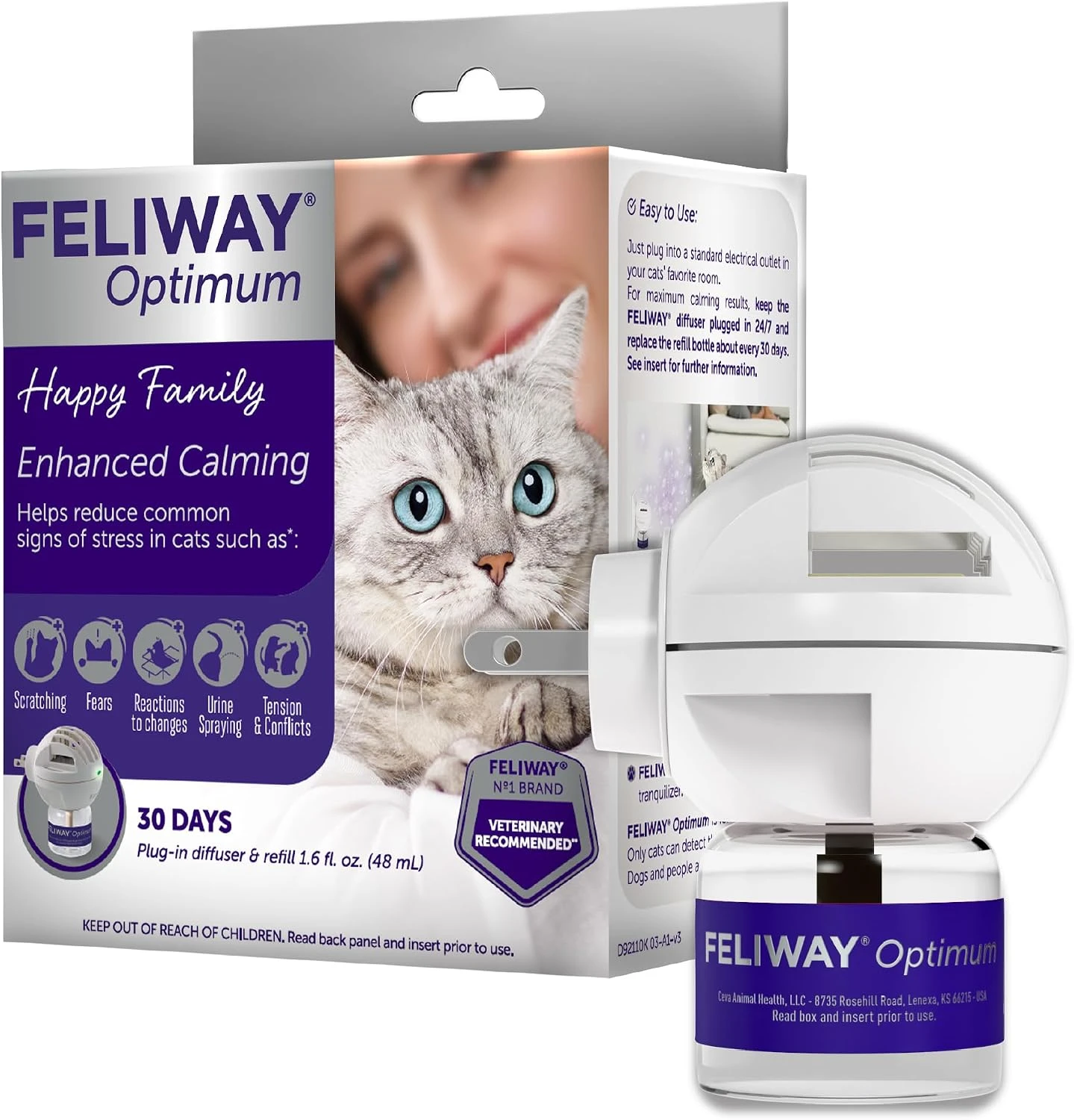
 Best Household Tranquility
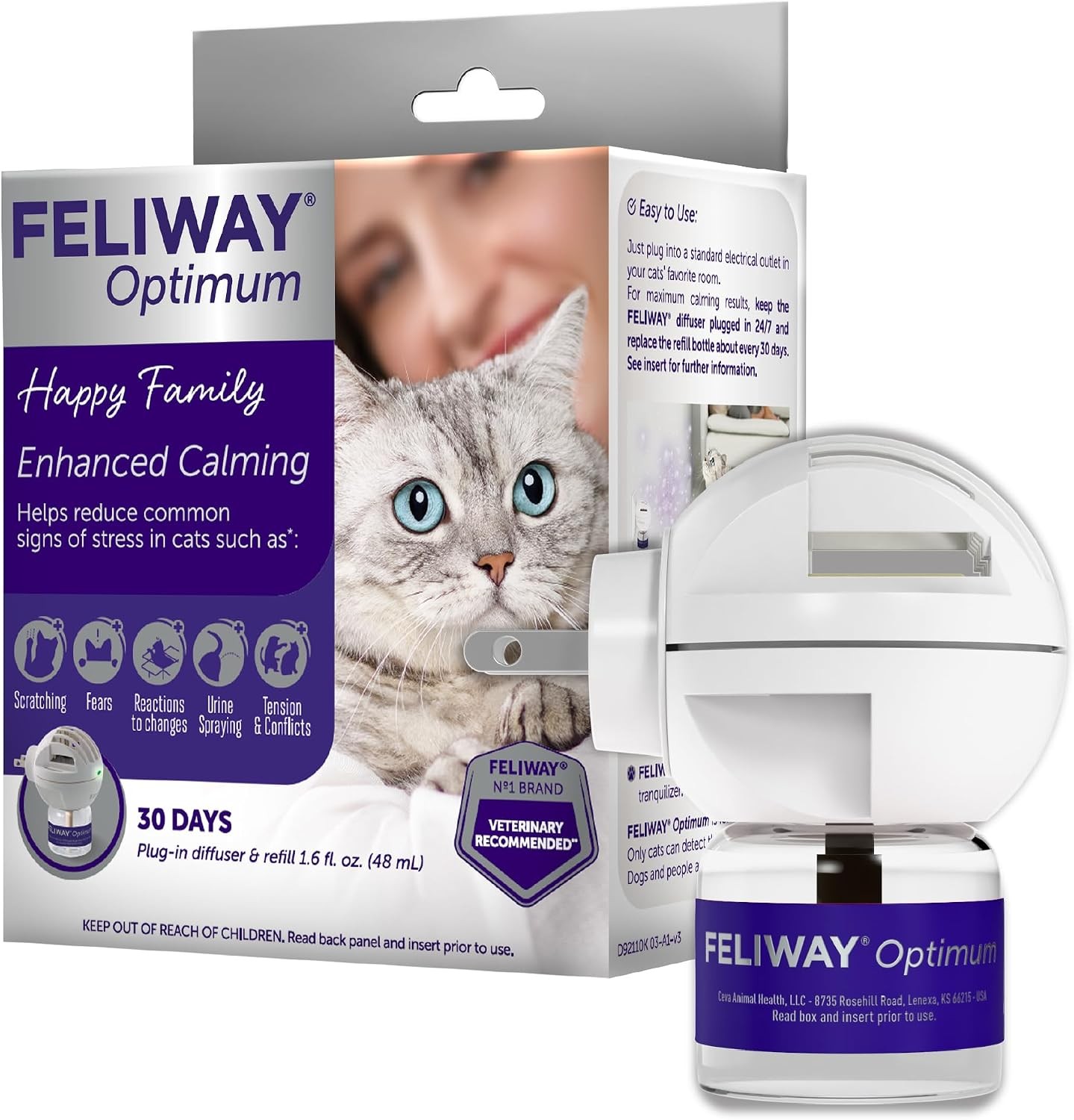
FELIWAY Optimum Pheromone Diffuser Starter Kit
Cats are hyper-sensitive to human stress. When household tension rises, cats may hide, scratch, or overgroom. This veterinary-developed pheromone diffuser releases a comforting advanced pheromone complex that restores household harmony, ensuring your cat remains relaxed and receptive to bonding.
Check Price on Amazon →6. Rhythmic Tactile Grounding (Biofeedback in Motion)
In cognitive behavioral therapy (CBT) and somatic psychology, therapists utilize grounding techniques—such as focusing on tactile textures or counting breaths—to interrupt runaway panic attacks and catastrophic thinking spirals.
Stroking a cat’s velvety soft coat, feeling the warm rise and fall of their chest, and listening to rhythmic purring provides an immersive sensory biofeedback loop. When anxiety triggers rapid, shallow breathing, synchronizing your breath to your sleeping cat’s steady cadence naturally restores diaphragmatic breathing, physically halting panic attacks in their tracks.
7. Reversing the Loneliness Epidemic
The U.S. Surgeon General recently declared loneliness and social isolation a public health epidemic with health consequences equivalent to smoking 15 cigarettes a day. In our increasingly digitized, remote-work society, millions of individuals spend entire days without meaningful physical connection.
Living with a cat transforms an empty apartment into a vibrant home. The subtle sounds of your cat trotting across the hardwood, inspecting a sunbeam, or sleeping on your pillow eliminate the oppressive silence of solitude. Furthermore, felines act as “social lubricants”: sharing cat photos, discussing behavior quirks, or connecting with fellow pet parents builds community bridges that combat isolation.
 Best Bonding Ritual
FELINE GREENIES Dental Treats (Catnip Flavor)
Transform daily treat time into a mindful connection practice. Hand-feeding these VOHC-accepted crunchy catnip treats encourages your cat to approach you gently, reinforcing positive mutual trust while cleaning their teeth and keeping them eager for daily affection.
Check Price on Amazon →8. Mindful Distraction Through Play
Depressive rumination occurs when the mind becomes trapped in recursive loops of regret, worry, or self-criticism. Breaking that cycle requires high-salience cognitive redirection—bringing the prefrontal cortex back into the present moment.
Watching a cat chase a feather wand, stalk a laser dot, or hilariously misjudge a jump onto a cardboard box demands your total visual and emotional attention. You cannot dwell on tomorrow’s deadlines while your cat is doing frantic acrobatic flips after a ribbon toy. Laughter triggers endorphin release, providing instant, natural relief from chronic negative self-talk.
 Best Mindful Play Tool
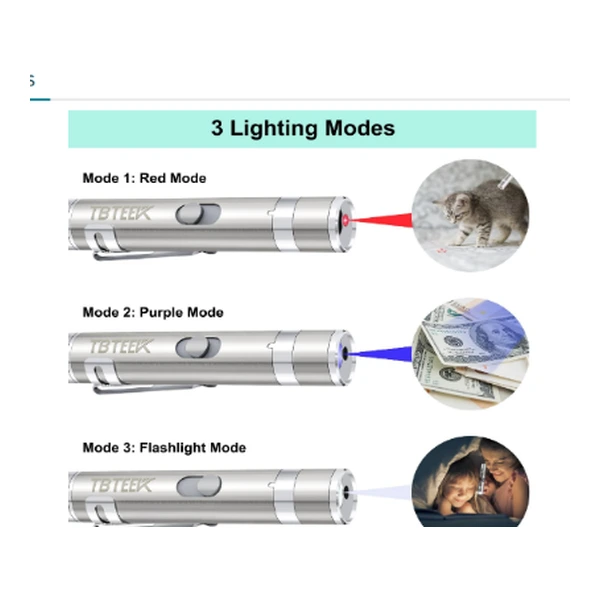
TBTeek Rechargeable Interactive Laser Pointer
A 5-minute interactive play session breaks destructive thought loops and releases natural endorphins through laughter and shared engagement. This rechargeable laser features crisp patterns that keep both your feline and your mind thoroughly entertained.
Check Price on Amazon →9. Restorative Sleep Support
Insomnia and nocturnal anxiety are intimately linked to mood disorders. Many people dread bedtime because the quiet of the night leaves them vulnerable to racing thoughts.
A study conducted by the Mayo Clinic Center for Sleep Medicine found that over 41% of pet owners perceived their pets as unobtrusive or actually beneficial to their sleep. Having a warm cat curled at the foot of your bed or resting gently against your legs provides deep physical security. Their rhythmic breathing and steady warmth act like a living, weighted anxiety blanket, easing nighttime apprehension and accelerating transition into deep REM sleep cycles.
10. Teaching Emotional Boundaries and Mutual Consent
Unlike dogs, who often crave eager approval and tolerate rough handling, cats operate on strict principles of mutual consent and bodily autonomy. A cat will quickly walk away or deliver a polite warning twitch if their personal boundaries are disrespected.
Learning to read subtle feline body language—noticing when ears rotate back, recognizing overstimulation, and respecting when they need solitary space—teaches owners vital emotional intelligence skills. Psychologists note that caring for a cat fosters patience, emotional attunement, and respect for personal boundaries that translate directly into healthier human relationships.
How to Maximize the Mental Health Benefits of Your Cat
To deepen the restorative bond between you and your feline, integrate these three evidence-based connection rituals into your daily routine:
- The 5-Minute Morning Gaze Ritual: Before reaching for your smartphone or checking anxious morning headlines, sit with your cat for five quiet minutes. Exchange slow blinks, stroke their chin glands, and listen to their purr. Starting your day with oxytocin rather than digital cortisol fundamentally transforms your stress tolerance.
- Twilight Interactive Play: After work, dedicate 10 minutes to energetic play using our indoor cat exercise routines. This channels your cat’s crepuscular predatory energy, helps them settle for the evening, and physically disconnects your brain from workday stressors.
- A Harmonious Shared Environment: Cats absorb human emotional tension. If you are anxious, your cat may manifest that stress through subtle anxiety symptoms, litter box avoidance, or excessive hiding. Keeping their litter area pristine with an automatic litter box and ensuring reliable vertical territory creates a sanctuary that supports mental wellness for both of you.
Frequently Asked Questions
Can owning a cat really reduce human anxiety and depression?
Yes. Clinical psychological studies and neurobiological research confirm that interacting with a cat triggers immediate releases of oxytocin, dopamine, and serotonin while suppressing the stress hormone cortisol. The rhythmic act of petting a cat stimulates the parasympathetic nervous system, lowering heart rate and dampening panic responses.
How does a cat's purr provide physical and emotional healing?
A domestic cat's purr vibrates at a specific frequency between 25 and 140 Hertz. In biomedical acoustics, frequencies in this exact range are therapeutic: they promote tissue regeneration, bone density repair, pain relief, and tendon healing. For humans, resting with a purring cat acts as tactile and auditory biofeedback that lowers systemic blood pressure.
Do cats help with Seasonal Affective Disorder (SAD) during fall and winter?
Cats provide vital circadian and emotional anchors during darker autumn and winter months. Their insistence on consistent feeding and interactive play routines pulls owners out of depressive lethargy, while their cozy companionship combats isolation and seasonal loneliness.
Are cats effective emotional support animals compared to dogs?
Cats make outstanding emotional support animals, especially for individuals dealing with sensory overload, agoraphobia, or apartment living. Cats do not require outdoor walks in severe weather, maintain a quiet presence, and offer calm, low-arousal companionship that prevents overstimulation.
The Healing Power of the Feline Spirit
In a fast-paced world that frequently demands our constant attention and drains our emotional energy, coming home to a gentle cat curled quietly on a blanket is an extraordinary antidote. Cats ask for very little: a warm bed, good nutrition, engaging play, and respect for their dignity. In return, they offer us a steady, purring sanctuary that calms our racing minds and reminds us to simply breathe.
This autumn, take time to celebrate your cat not merely as a domestic pet, but as an intuitive, purring partner in your personal health and happiness.