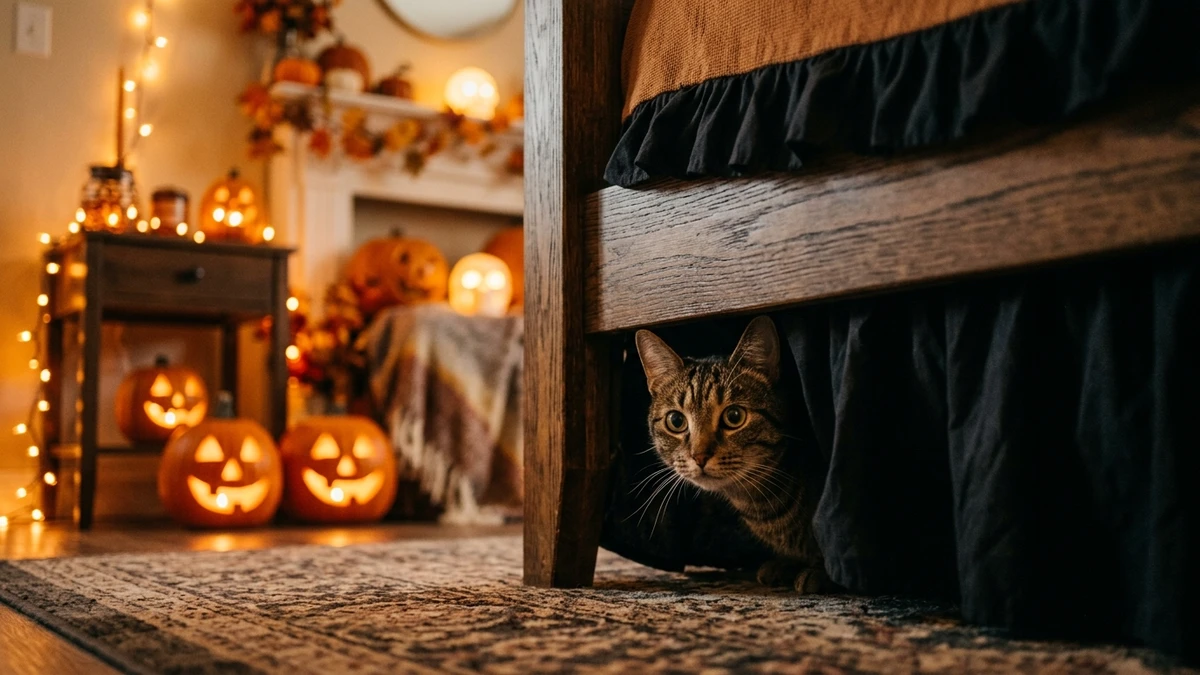
Quick Answer: Your normally social feline has vanished into the dark shadows beneath the bed dust ruffle. Veterinary behaviorists emphasize structured routines, positive reinforcement, and specialized feline environmental enrichment.
VETERINARY URGENCY PROTOCOL
When is hiding a veterinary emergency? If your cat is hiding under the bed combined with straining in the litter box without passing urine, open-mouth panting, repeated vomiting, or has refused food for over 24 hours, do not wait. Felines that fast for more than 48 hours risk developing life-threatening hepatic lipidosis (fatty liver syndrome), and male cats with urinary blockages can suffer fatal bladder ruptures within 24 to 36 hours.
Few sights cause cat parents more sudden anxiety than looking under the bed and seeing a pair of wide, unblinking eyes staring back from the dark. Whether your cat used to spend nights curled on your pillows—as we explored in our guide on why cats sleep on your face and head—or used to greet you at the front door, sudden social withdrawal is one of the most reliable indicators of distress in feline medicine.
Unlike dogs, who often whimper, limp visibly, or seek immediate comfort from human caregivers when injured, cats are evolutionary masters of stoicism. In the wild, displaying weakness or vocalizing pain invites predators and signals vulnerability to territorial competitors. Even inside the safety of a comfortable modern home, this ancient evolutionary hardwiring persists: when a cat hurts, their instinct tells them to find the darkest, most enclosed, inaccessible den possible—and wait.
While environmental frights like thunderstorms, fireworks, or Halloween trick-or-treaters can cause temporary sheltering, prolonged or sudden hiding is frequently an outward cry of physical illness. Here are the 7 subtle medical signs that your hiding cat is sick, how to read the Feline Grimace Scale, and practical tools to support their recovery safely.
The 7 Subtle Sickness Signs to Watch For
1. The Pain Guarding Posture ('The Hunched Meatloaf')
Take a flashlight and carefully observe how your cat is sitting under the bed. A healthy cat relaxing in a den lies on their side with paws stretched out, or curls into a loose donut with relaxed shoulder blades.
A sick or aching cat adopts what veterinarians term the tucked or guarded posture: their paws are pulled tightly under the chest, their nose is pointed down toward the carpet rather than surveying the room, their eyes are half-closed or squinting, and their back forms a stiff, arched ridge. This posture protects painful abdominal organs (common in pancreatitis, kidney infections, or gastrointestinal blockages) and reduces pressure on arthritic hips and vertebrae.
 Best Ergonomic Recovery Bowl
LoeJan Elevated Tilted Ceramic Cat Food Bowl
When a cat feels nauseous or suffers from joint pain, crouching flat to the floor to eat causes acid reflux and esophageal discomfort, making them abandon meals and retreat back under the bed. This heavy ceramic bowl is elevated and tilted at a 15-degree angle, aligning the esophagus with the stomach to prevent vomiting and neck strain during recovery.
Check Price on Amazon →2. The Feline Grimace Scale: Squinting, Whisker Droop & Ear Rotation
Developed by veterinary researchers at the Université de Montréal, the Feline Grimace Scale (FGS) provides an objective clinical method for measuring acute pain in cats through five facial action units:
- Orbital Tightening: Pain causes cats to squint their eyelids tightly, even in dark environments.
- Muzzle Tension: The whisker pads flatten and tense into an elliptical, oval shape rather than remaining round and soft.
- Whisker Orientation: In pain, whiskers move forward away from the cheeks or bunch downward instead of fanning naturally.
- Ear Position: The ears flatten outward and rotate back towards the skull ("airplane ears"), signaling internal distress.
- Head Carriage: The chin is pulled tightly into the throat or held below the shoulder line.
3. Dehydration & Subtle Water Imbalances
Cats have a notoriously low thirst drive inherited from desert ancestors. When felines develop fever, kidney disease (CKD), or diabetes, dehydration sets in rapidly. You can perform a quick Skin Turgor Test right at the edge of the bed:
Gently tent the loose skin above your cat's shoulder blades and let go. In a well-hydrated feline, the skin snaps back into place in under one second. If the skin rolls down sluggishly or remains pitched like a canvas tent, your cat is experiencing clinically significant dehydration and requires veterinary subcutaneous fluids.
 Best Feline Hydration Fountain
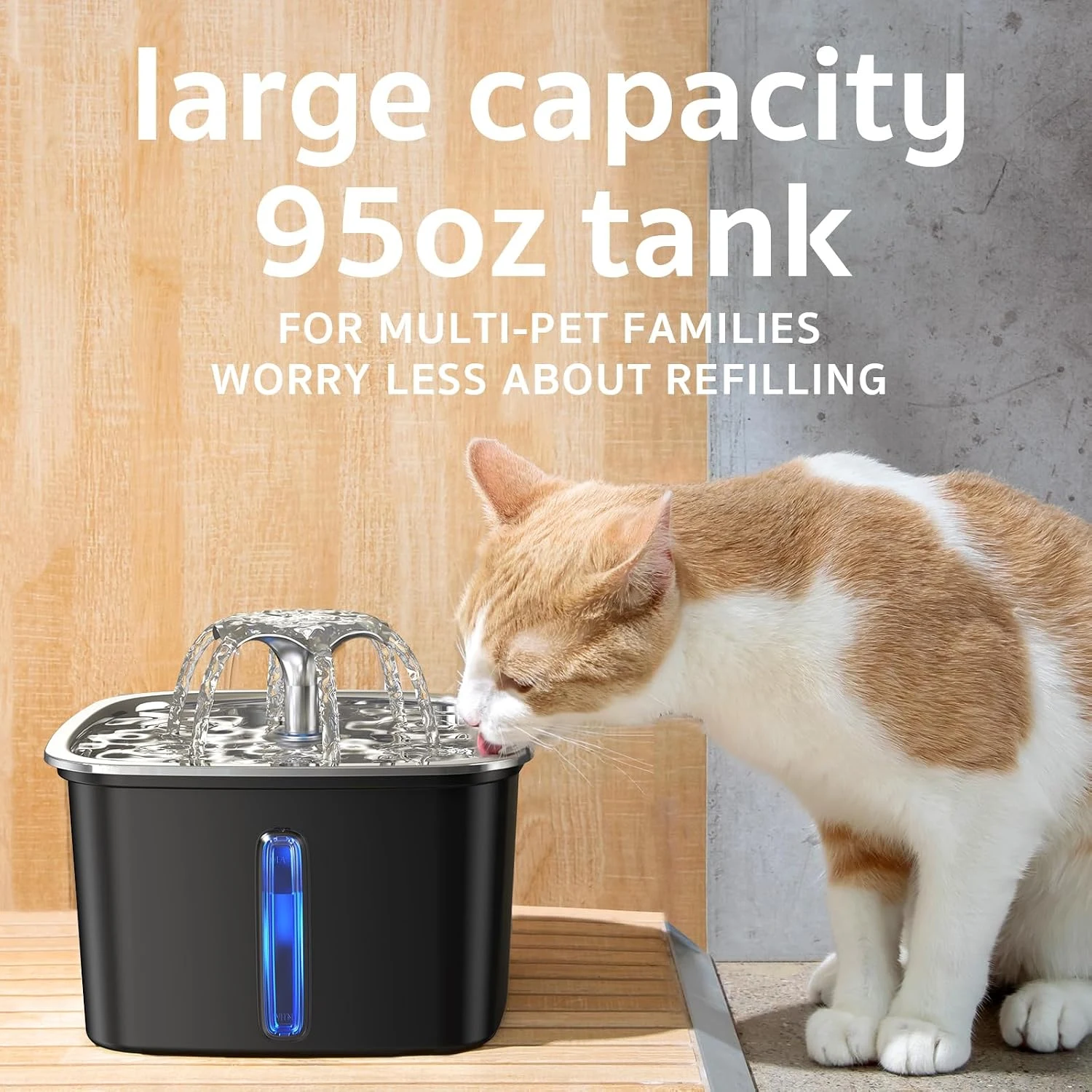
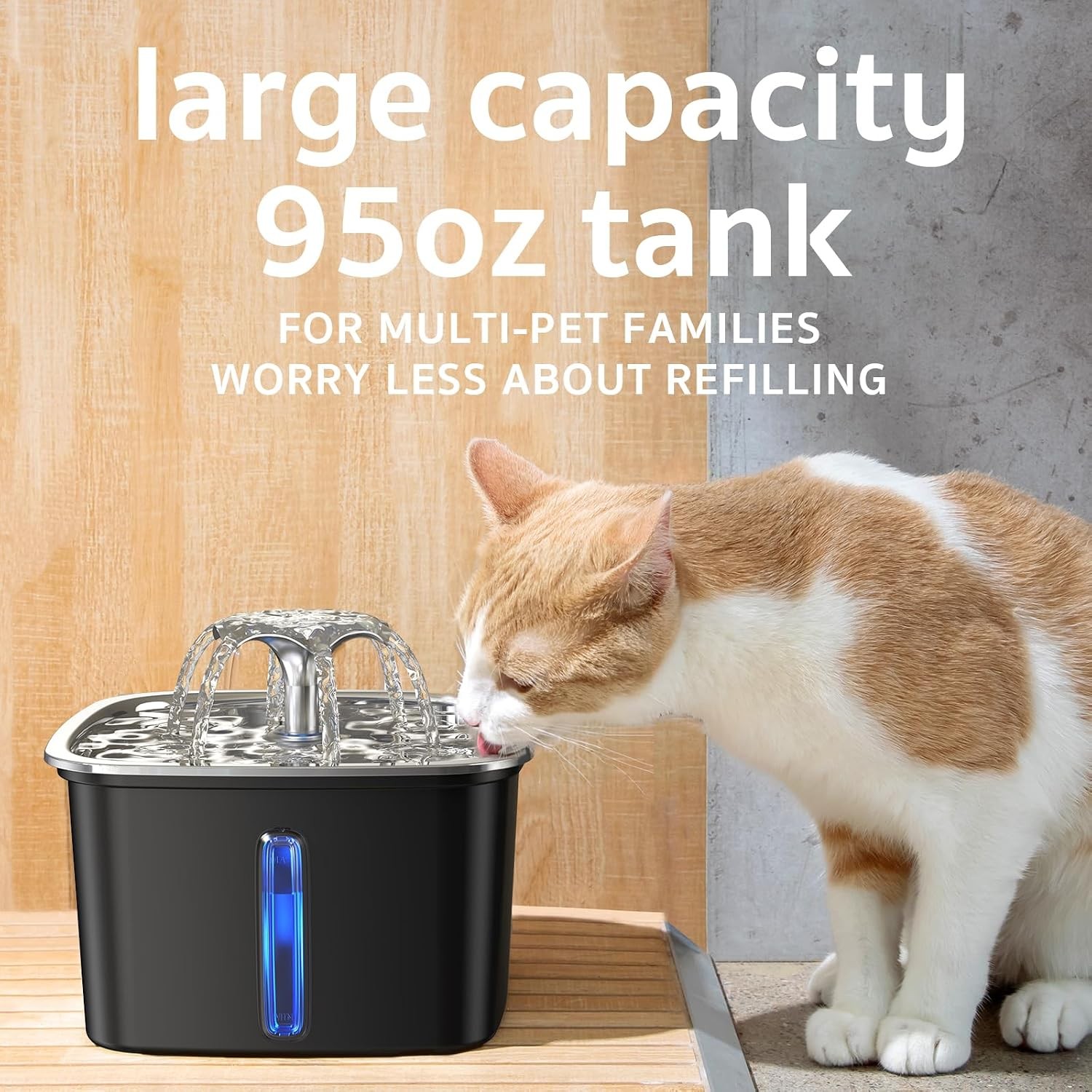
KittySpout Stainless Steel Cat Water Fountain (4L)
Stagnant standing water in plastic dishes harbors bacteria and smells stale to sensitive felines, causing recovering cats to avoid drinking. The KittySpout provides 4 liters of circulating, oxygenated, triple-filtered water through medical-grade 304 stainless steel. Its continuous bubbling faucet stream entices reluctant drinkers, flushing out kidneys and preventing urinary crystals.
Check Price on Amazon →4. Silent Urinary Emergencies (FLUTD & Male Cat Blockages)
Feline Lower Urinary Tract Disease (FLUTD), idiopathic cystitis, and urethral plugs are among the most common reasons adult indoor cats suddenly vanish under beds. Urination becomes intensely painful due to inflamed bladder walls or microscopic struvite crystals.
Because cats associate the litter box with the sharp burning sensation of urination, they often avoid the box entirely, attempting to urinate on cool bedroom carpets or in dark corners. Warning for male cats: If a male cat is straining, licking their genitals constantly, crying in the box, or hiding under furniture without producing normal wet litter clumps, this is a medical emergency. Urethral obstruction can cause fatal cardiac arrest from potassium spikes within 36 hours.
5. Subtle Weight Loss & Muscle Wasting
Because cats are covered in thick fur coats, owners rarely notice when a cat loses 10% to 15% of their body weight until a veterinary checkup. In a 9-pound feline, losing just one single pound represents over 11% of their entire body mass—the human equivalent of dropping 18 pounds unexpectedly.
Chronic conditions like hyperthyroidism, kidney decline, diabetes, and dental resorption disease manifest first through quiet, steady weight loss accompanied by gradual retreat from household activity.
 Best Early Sickness Detection Tool
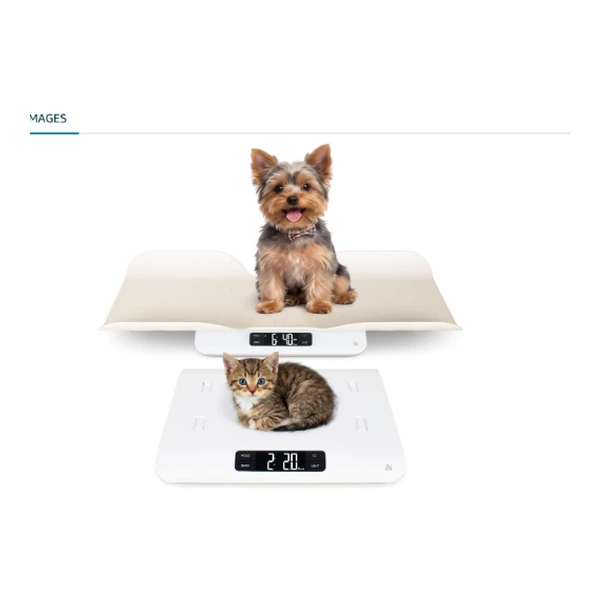
Greater Goods Wiggle-Proof Digital Pet Scale
By the time a cat begins hiding under the bed from internal illness, they have often been losing weight for weeks unnoticed. This veterinarian-grade digital scale features active wiggle-proof algorithm stabilization, holding accurate weights down to the ounce even if your feline shifts. Weighing your cat once a week catches kidney, thyroid, and dental decline weeks before visible symptoms appear.
Check Price on Amazon →6. Coat Neglect, Matted Hair & The Third Eyelid
A healthy cat spends roughly 30% to 40% of their waking hours meticulously grooming their coat. One of the earliest behavioral changes in an unwell cat is the cessation of grooming. The fur along their spine separates into dull, spiky "clumps," dandruff accumulates, and greasy mats form around the hips.
Simultaneously, look closely at their eyes. Cats possess a protective membrane known as the nictitating membrane (the third eyelid), tucked into the inner corner of each eye. When a cat is dehydrated, running a fever, or fighting systemic infection, the fat pad behind the eyeball shrinks slightly, causing the cloudy white third eyelid to remain permanently visible across one-third of the eye.
7. Sudden Temperament Inversion (Aggression or Clinginess)
Behavioral inversion is a classic telltale sign. An independent, aloof cat that suddenly hides and hisses when touched on their flank is communicating acute localized pain (such as spinal arthritis or abscesses). Conversely, check our diagnostic on why cats stare intensely at you when attempting to communicate unmet medical needs.
 Best Safe Recovery Hideaway
Hide & Scratch Cardboard Cat Scratcher Box & Bed
Cats hide under beds because they desperately crave enclosed walls that shield them from open sightlines. This extra-large cardboard haven provides the high-walled privacy of a den while keeping your cat accessible for observation and medication. Place it right beside the bed skirt so your recovering cat can transition out of the dusty under-bed floor into a warm, safe sanctuary.
Check Price on Amazon →How to Tell the Difference: Fear vs. Illness
Not every cat that crawls under the bed is sick. How do you distinguish between environmental fear and a genuine medical emergency? Use this diagnostic comparison:
| Diagnostic Clue | Fear / Stress Hiding | Medical Illness Hiding |
|---|---|---|
| Response to Food & Treats | Will eat eagerly if treats are tossed under the bed skirt. | Ignores or turns head away from favorite high-value treats. |
| Body Posture | Crouched with ears pivoting, scanning for the scary noise or stranger. | Rigid hunched meatloaf, nose pressed down, unblinking squint. |
| Duration | Emerges within a few hours once the house is quiet and dark. | Persists past 24 hours continuously without coming out to explore. |
| Litter Box Usage | Uses the litter box normally once visitors leave. | Straining, frequent small trips, or accidents right outside the bed. |
| Grooming & Coat | Glossy, well-groomed fur. | Dull, clumping, unkempt coat with visible third eyelid. |
Creating a Safe Recovery Zone Around the Bed
Never reach under the bed with a broom or forcefully yank a hiding cat out by their scruff. Doing so spikes cortisol and blood pressure, potentially pushing an already sick cat into respiratory or cardiac collapse.
Instead, follow these gentle recovery steps:
- Create an Accessible Bedside Micro-Sanctuary: Place food, clean water, and a low-entry litter box within 3 feet of the bed edge so the cat does not have to cross open rooms.
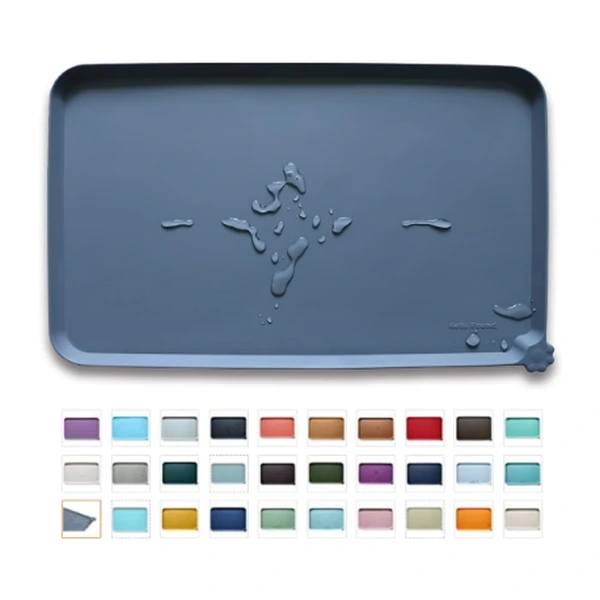
- Protect the Floor from Spills & Vomit: Sick felines often regurgitate water or bile near their hiding spot. Use a high-lip silicone mat like the Hoki Found Feeding Mat to keep bedding and carpet pristine.
- Minimize Sensory Overload: Close bedroom doors, dim lighting, and keep other household pets away from the recovery room.
- Record Daily Metrics: Note down litter box production, water intake, and weight using a digital scale to provide concrete data to your veterinarian.
 Best Mess-Proof Recovery Mat
Hoki Found Waterproof Silicone Pet Feeding Mat
When caring for an unwell cat under the bed, keeping their food and water within arm's reach without ruining bedroom carpets is essential. This food-grade non-toxic silicone mat features 0.4-inch raised anti-spill lips that contain spills, vomit, and wet kibble. Waterproof, non-slip, and effortless to wipe clean, it establishes an orderly recovery dining station.
Check Price on Amazon →Comparison: Feline Health & Recovery Essentials
| Product | Primary Purpose | Key Health Benefit | Action |
|---|---|---|---|
| LoeJan Elevated Bowl | Anti-Vomiting Feeding | Aligns esophagus & protects arthritic neck joints | Check Price on Amazon |
| KittySpout 4L Fountain | Hydration & Kidney Support | Oxygenated flowing water encourages sick cats to drink | Check Price on Amazon |
| Greater Goods Pet Scale | Weight Loss Tracking | Catches early organ decline down to the ounce | Check Price on Amazon |
| Hide & Scratch Box Bed | Safe Enclosed Nesting | Provides stress-reducing high walls out in the open | Check Price on Amazon |
| Hoki Found Feeding Mat | Cleanliness & Floor Protection | Contains vomit, water spills, and kibble crumbs | Check Price on Amazon |
Frequently Asked Questions
Should I force my sick cat out from under the bed?
Never forcefully drag a hiding cat out unless it is an immediate medical emergency. Forcible extraction triggers acute adrenaline surges, worsening pain, blood pressure, and respiratory distress. Instead, place food, water, and an accessible litter box right next to the bed edge.
How long can a sick cat hide before seeing a vet?
If an adult cat hides without eating for more than 24 hours, or exhibits labored breathing, vomiting, or litter box straining, seek veterinary care immediately. Cats that do not eat for 48 hours risk developing life-threatening hepatic lipidosis (fatty liver disease).
What is the difference between a scared cat and a sick cat hiding?
A scared cat has dilated pupils and alert ears tuned toward the trigger, emerging once the home is quiet. A sick cat remains tucked in a hunched meatloaf posture, avoids food even when quiet, shows unkempt fur, and exhibits squinted eyes or a protruding third eyelid.
Why do cats hide when they are dying or in severe pain?
In the wild, sick or injured felines are easy targets for predators and may be driven away by rival cats. The primal instinct to retreat into dark, enclosed dens protects them from external threats while their immune system attempts to recover.
What are early warning signs of feline kidney disease or urinary blockage?
Frequent visits to the litter box with little or no urine produced, crying while squatting, excessive thirst followed by sudden withdrawal, and progressive subtle weight loss over weeks.
The Final Verdict: Trust Your Instincts
Cats do not hide under beds for no reason. While a temporary retreat after a loud vacuum or an energetic visitor is completely normal feline behavior, any sudden, persistent withdrawal accompanied by appetite drops, posture stiffness, or coat neglect is your cat's silent plea for help.
By learning the subtle language of feline pain—from the Feline Grimace Scale to silent weight drops—you can intervene before minor infections spiral into life-threatening emergencies. When in doubt, trust your parental intuition: a quick visit to your veterinarian is always the safest course of action for the furry family member you love.