
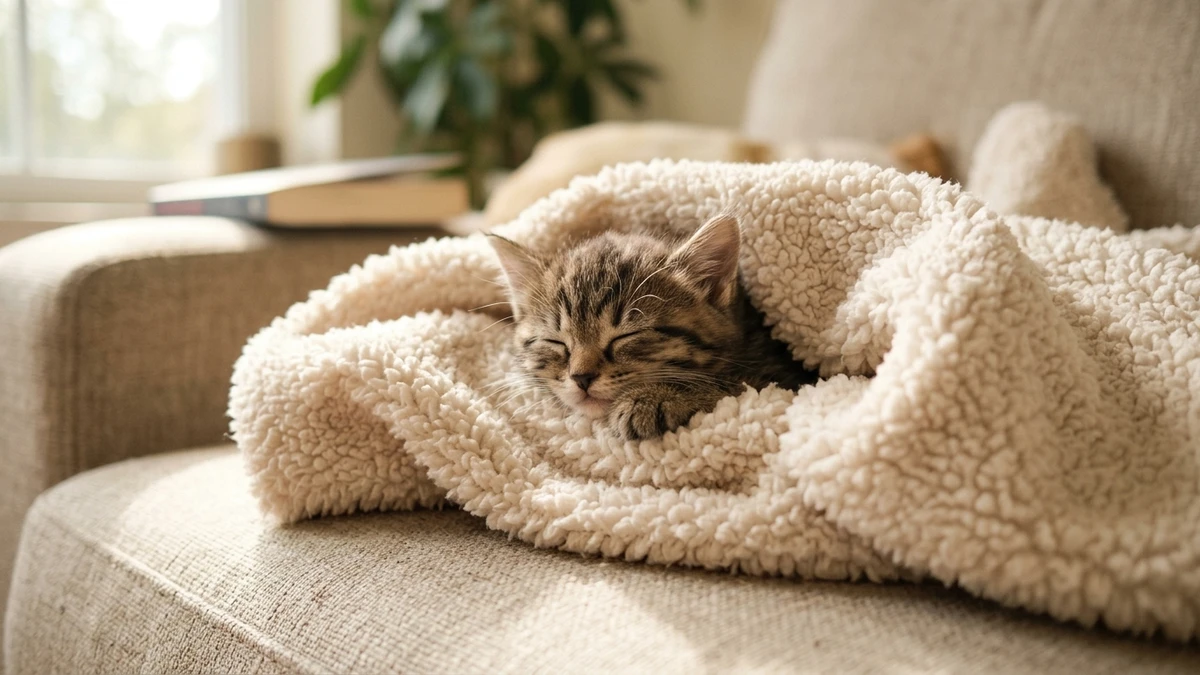
While cats descend from the desert-dwelling African wildcat (Felis lybica) and possess thick undercoats, cold ambient indoor air can stress their cardiovascular and musculoskeletal systems. During winter, cats spend more energy regulating core body temperature, which often triggers painful flare-ups in arthritic joints, respiratory susceptibility, and lethargy.
Whether you manage an energetic kitten or a creaky senior cat, following veterinarian-endorsed winter care guidelines ensures your feline remains cozy, safe, and playful through the coldest freeze.
1. Elevate Sleeping Spots Above Cold Floor Drafts
Cold air is dense and pools along flooring, especially on tile, laminate, and hardwood. Even if your central thermostat reads 68 degrees Fahrenheit, floor-level microclimates frequently register as low as 58 to 62 degrees Fahrenheit due to exterior door seepage and uninsulated subfloors.
Move your cat primary bedding off the ground. Utilizing raised sleeping perches, couch cushions, or multi-level climbing towers like the Armarkat 57-inch cat tree allows your feline to bask in warmer air layers that naturally rise toward the ceiling.
2. Use Thermostatically Controlled Pet Heating Pads
Human heating pads are strictly contraindicated for pets. Human pads lack pressure-activated cutoffs, reaching temperatures in excess of 130 degrees Fahrenheit that cause contact thermal burns on delicate feline skin. In contrast, specialized pet heating pads utilize dual internal thermostats tuned specifically to 102 degrees Fahrenheit—matching natural feline body warmth only when your cat lies down upon them.
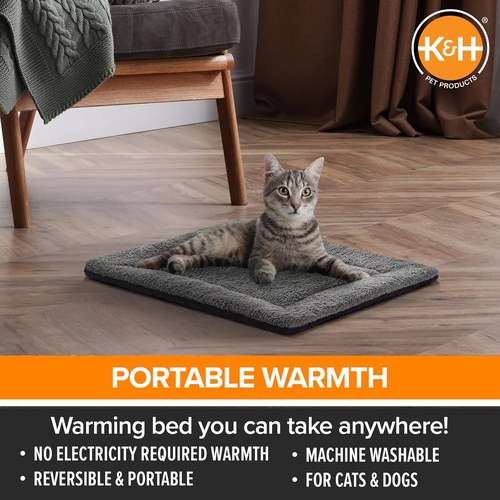
3. Deploy Cordless Self-Warming Thermal Mats
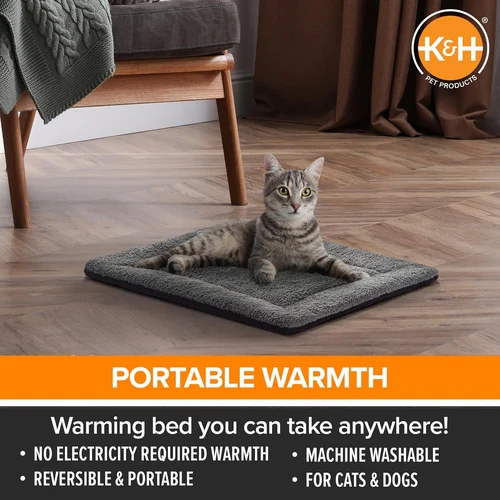
For pet parents wary of electrical cords, self-warming cat mats offer complete safety and zero electrical draw. These mats incorporate an internal layer of reflective mylar insulation sandwiched between dense foam and plush fleece. As your cat lies down, their radiant heat bounces back into their fur, creating a self-sustaining cocoon of soothing warmth.
4. Provide Enclosed Cave and Donut Beds
Open pillow beds allow radiant warmth to escape into drafty rooms. Hooded igloo beds and donut caves trap circulating body heat within a snug interior space. The enclosed walls simulate natural feline burrows, drastically reducing convective heat loss while shielding skittish cats from winter window drafts.
5. Shield Against Winter Window Condensation & Drafts
Cats adore window watching, but single-pane glass and chilly window sills act as thermal sinks. If your cat frequents window hammocks or perches, line the sill with insulated draft stoppers and attach cellular thermal shades. Explore our detailed guide on winter cat window perches for safe mounting tips.
6. Prevent Cold-Water Dehydration & Frozen Bowls
Cats naturally drink less water during colder months because frigid water discourages tongue contact. This winter hydration drop causes urinary crystals and kidney strain. Provide lukewarm fresh water using continuous circulation fountains like the best winter cat water fountains, or deploy low-wattage heated water dishes for enclosed porches or chilly kitchens.
7. Warm Up Wet Food to Enhance Scent and Appetite
Cold canned cat food straight from the refrigerator suppresses olfactory appeal. Heating canned pate or gravy for 5 to 8 seconds in the microwave (testing temperature on your inner wrist before serving) unlocks delicious aromatic lipids, ensuring picky eaters consume necessary winter calories.
Top 4 Winter Heating Aids Tested by Felines Love
Our editorial team tested leading winter pet warmers for safety certifications, surface temperature regulation, chew-proof cords, and feline adoption:
K&H Pet Products Thermo-Kitty Bed
Thermostatically controlled 4-watt heated nest that warms to your cat natural body temperature, featuring tall polyfill foam walls for premium draft protection.

Pecute Self-Warming Thermal Cat Mat
Reflective mylar heat foil core surrounded by high-density memory foam and machine-washable coral fleece that reflects body heat without electricity.

K&H Pet Products Heated Thermal-Bowl
Energy-efficient 12-watt stainless interior dish wrapped with steel-wound chew-proof electrical cords to keep drinking water liquid down to sub-zero temperatures.
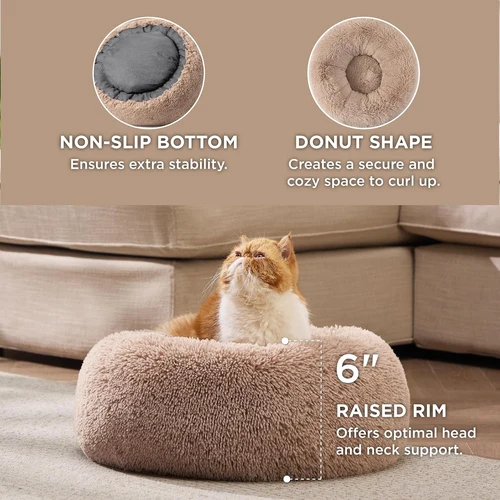
Bedsure Calming Donut Washable Cat Bed
Ultra-soft plush donut nest engineered with raised deep-dish bolsters and high-resilience filling that cradles your cat, trapping radiant warmth and easing winter joint stiffness.
Comparison: Winter Warmth Solutions at a Glance
| Heating Solution | Heat Mechanism | Wattage / Power | Best Cat Type |
|---|---|---|---|
| K&H Thermo-Kitty | Thermostatic Electric Element | 4 Watts | Senior Cats & Short-Hairs |
| Pecute Thermal Mat | Reflective Mylar Thermal Core | 0 Watts (Cordless) | Chewers & Window Perches |
| K&H Thermal-Bowl | Sub-Zero Heating Coil | 12 Watts | Chilly Kitchens & Porches |
| Bedsure Calming Donut | High-Loft Plush Bolster | 0 Watts (Passive) | Burrowers & Anxious Cats |
Medical Warning Signs: Recognizing Feline Hypothermia
While domestic cats are resilient, extreme exposure or sudden cold drafts can induce feline hypothermia when core body temperature drops below 99 degrees Fahrenheit. Watch for these clinical emergency indicators:
- Violent Shivering Followed by Rigidity: Shivering is the initial involuntary mechanism to generate muscular heat. If shivering abruptly ceases and your cat muscles feel stiff and unresponsive, hypothermia has progressed to a critical stage.
- Pale or Blue-Tinged Gums: Capillary refill time slows as blood is shunted from peripheral tissues to vital internal organs. Pressing your finger against your cat upper gum line should reveal color returning in under 2 seconds; sluggish refill indicates circulatory crisis.
- Severe Dilated Pupils & Lethargy: Cold-stunned felines exhibit glassy dilated pupils, disoriented stumbling, and shallow respiration. Immediately wrap the cat in a warm towel, place a warm water bottle against their chest, and transport them to an emergency veterinary clinic.
Frequently Asked Questions
What temperature is too cold for an indoor cat?
Most healthy adult cats are comfortable between 65 and 75 degrees Fahrenheit. When indoor temperatures dip below 60 degrees Fahrenheit, senior cats, kittens, and short-haired breeds begin losing core body warmth and need supplemental heating pads or insulated caves.
Are human electric heating pads safe for cats?
No. Human electric heating pads reach high surface temperatures capable of causing second-degree skin burns or thermal necrosis in sleeping cats. Always use veterinarian-approved, thermostatically controlled pet heating pads that warm only to a cat natural body temperature of 102 degrees Fahrenheit.
How can I tell if my cat is too cold?
Key signs that a cat is feeling cold include tucking paws and nose tightly under the chest, shivering, cold ear tips and paw pads, lethargy, and persistently seeking heat vents, radiators, or warm laundry piles.
Do self-warming cat beds work without electricity?
Yes. Self-warming thermal pads use an internal layer of space-blanket mylar insulation that radiates your cat own body heat back to them, increasing bed warmth by 5 to 10 degrees without electrical cords or fire hazards.
Creating a Warm Winter Oasis for Your Feline
By providing elevated thermal nests, pressure-activated warming pads, and cozy insulated caves, you transform cold winter months into a comforting, restorative season for your beloved companion.
For more seasonal feline wellness protocols, check out our guides on surviving winter storm power outages with cats, indoor cat mental enrichment during winter, and autumn and winter daily feline care habits.