Quick Answer: Cats are master illusionists. Veterinary behaviorists emphasize structured routines, positive reinforcement, and specialized feline environmental enrichment.
Proactive Wellness vs. Reactive Crisis Care
Too many cat parents operate on a reactive healthcare model: they feed dry kibble into a bowl, scoop the litter box when odor becomes noticeable, and only call the veterinarian when their cat begins vomiting uncontrollably, hiding under the bed for three days, or crying out in pain.
In veterinary medicine, this reactive approach is tragically common. Because wild felines that showed signs of weakness were quickly targeted by apex predators, our domestic companions evolved an extraordinary biological ability to mask illness. A cat suffering from early kidney disease, dental abscesses, or urinary crystal buildup will continue purring and walking normally until their physiological reserves are exhausted.
True feline wellness is built on small, consistent daily micro-habits. By spending just 10 to 15 minutes each day following structured wellness checkpoints, you catch asymptomatic health deviations weeks before they become life-threatening medical emergencies. And as autumn brings fluctuating temperatures and spooky season hazards, these routines become your cat’s greatest shield.
Why Autumn Demands an Updated Daily Care Protocol
Seasonal transitions profoundly alter feline biology. In late October, three environmental triggers transform your cat’s physical and emotional needs:
- The "Great Molt" Hairball Surge: Decreasing daylight hours (photoperiod shifts) signal your cat’s endocrine system to shed their lighter summer coat and grow a dense winter undercoat. Without daily brushing, cats ingest massive quantities of loose fur, leading to painful gastrointestinal hairball blockages (trichobezoars).
- Cold-Weather Dehydration: As ambient temperatures drop, cats drink significantly less water. Feline thirst drive plunges in cold weather, resulting in concentrated, acidic urine that precipitates microscopic struvite and calcium oxalate bladder crystals.
- Halloween Sensory & Toxicity Hazards: Constant doorbell ringing, costumed strangers, open-flame jack-o’-lantern candles, and dropped trick-or-treat chocolate or xylitol treats introduce extreme household risks (review our storm and blackout safety rules).
9 Essential Daily Habits for Autumn Cat Wellness
1. Defeat Cold-Weather Dehydration with Circulating Water
A typical 10-pound adult indoor cat requires approximately 7 to 9 fluid ounces of water per day. However, because cats evolved as desert hunters who derived the majority of their fluid intake from live prey, they possess a blunted thirst reflex. When autumn turns the weather cool, still water sitting in a stagnant bowl becomes unappealing.
Chronic low-grade dehydration is the root catalyst for Feline Lower Urinary Tract Disease (FLUTD), chronic kidney disease (CKD), and agonizing urethral blockages in male cats. Circulating water fountains aerate water constantly, filtering out floating dust and providing the sound of bubbling running water that triggers instinctive drinking.
 Best Daily Hydration Station
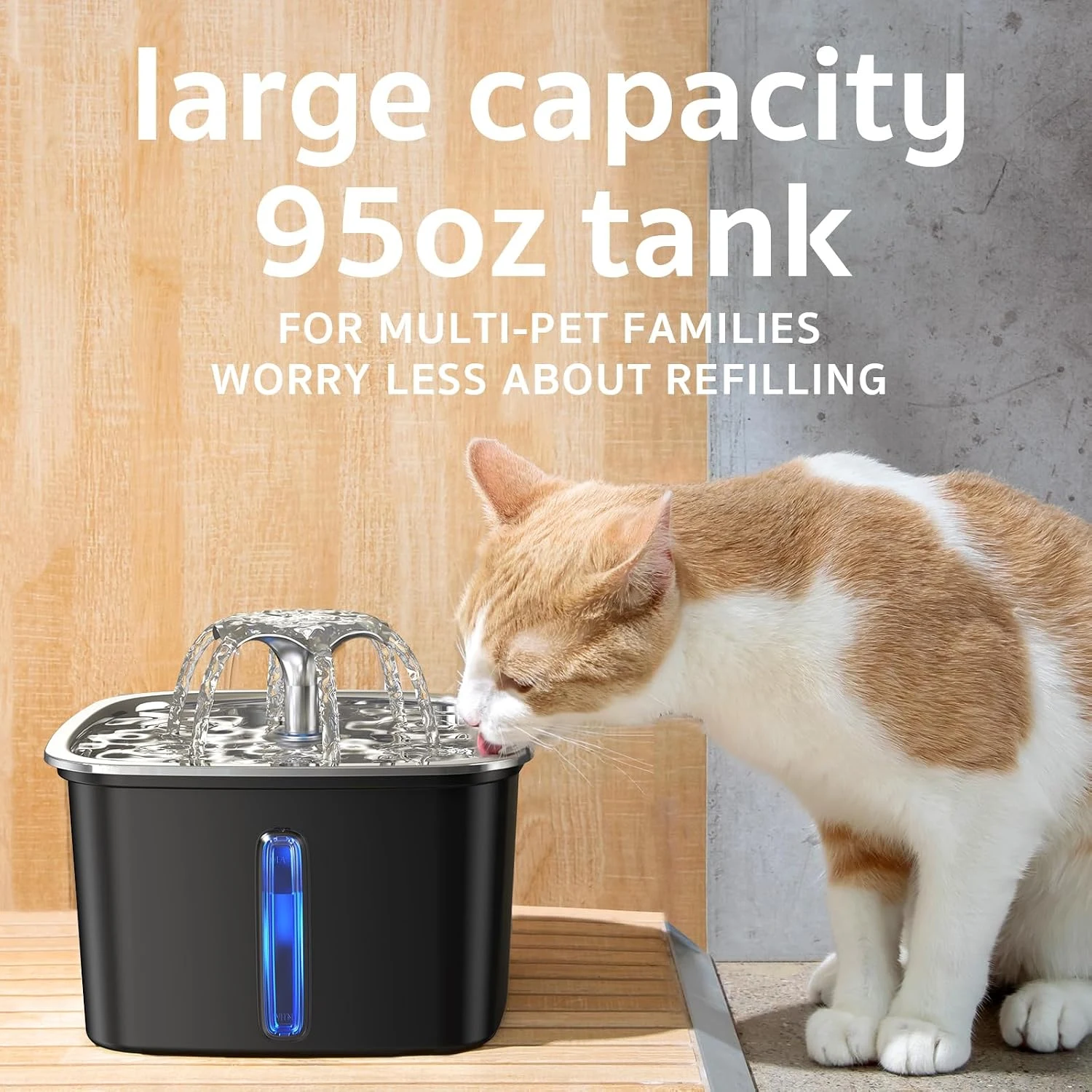
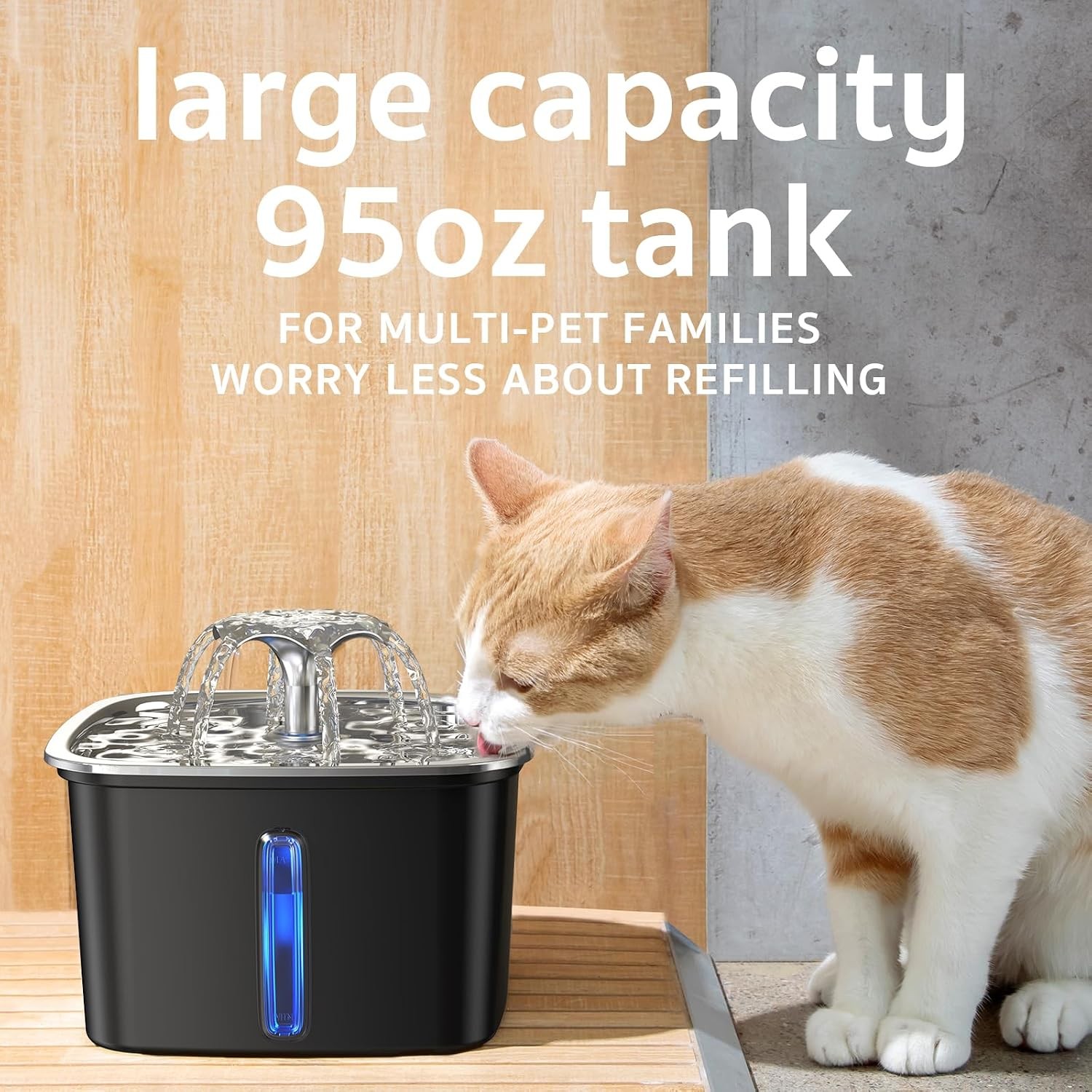
Veken 95oz Automatic Pet Water Fountain
Features a whisper-quiet submersible pump and multi-stage carbon filtration that keeps drinking water crisp, oxygenated, and enticing. Its broad surface tray encourages continuous daily sipping to safeguard against fall bladder crystals.
Check Price on Amazon →2. Daily De-Shedding & Hairball Prevention
A cat spends up to 30% of its awake life grooming. Backward-facing filiform papillae on the feline tongue act like barbed miniature combs, inevitably capturing shed hairs that are swallowed into the stomach. During the intense autumn coat blowing cycle, swallowed fur clumps together with gastric bile to form heavy trichobezoars.
Dedicate 3 to 5 minutes every evening to gently brush your cat with a dual-sided slicker brush or silicone deshedding glove. Not only does this remove loose dead undercoat before your cat can ingest it, but daily grooming stimulates skin micro-circulation and distributes natural sebaceous oils across the fur.
3. The 5-Minute Morning "Vampire Check" (Daily Exam)
Every morning during breakfast, perform a quick head-to-tail physical exam while petting your cat. Make it a fun, affectionate ritual:
- Eyes & Nose: Look for clear, bright corneas without squinting, watery discharge, crusting, or third-eyelid protrusion.
- Ears: Check inside ear flaps for clean pink skin free of dark coffee-ground wax (ear mites) or sour odors (bacterial infection).
- Gums & Breath: Gently lift the upper lip. Healthy feline gums are pale bubblegum pink. Bright red margins indicate gingivitis.
- Spine & Hips: Run your palms down the spine and gently compress hip joints. A sudden flinch, skin ripple, or tail flick signals arthritic joint discomfort aggravated by cold weather.
- Coat & Skin: Part the fur to inspect for dryness, dandruff, flea dirt, or localized overgrooming patches (explore feline anxiety overgrooming).
4. Daily Litter Box Output Audits: The Vital Health Window
Your cat’s litter box is a diagnostic window into internal organ function. When you scoop daily (or inspect an automatic litter box), you should evaluate three specific metrics:
- Urine Clump Volume: Abnormally massive urine clumps indicate polydipsia/polyuria, the classic hallmark of early diabetes mellitus or chronic kidney failure. Conversely, tiny nickel-sized clumps or multiple dry visits where the cat strains indicate life-threatening urinary obstruction.
- Stool Consistency: Stool should resemble firm, segmented brown nuggets. Dry, crumbly pellets indicate dehydration or autumn constipation. Loose watery stool points to dietary indiscretion or parasite loads.
- Elimination Frequency: Tracking how many times your cat visits the box prevents silent emergencies from going unnoticed.
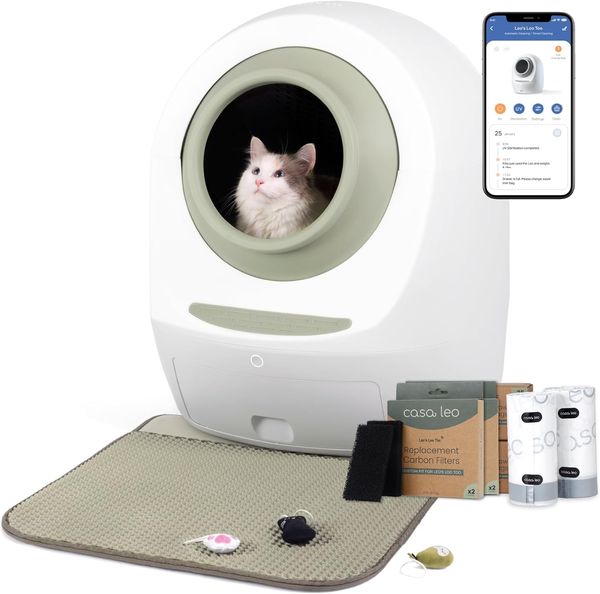 Best Health Monitoring Box
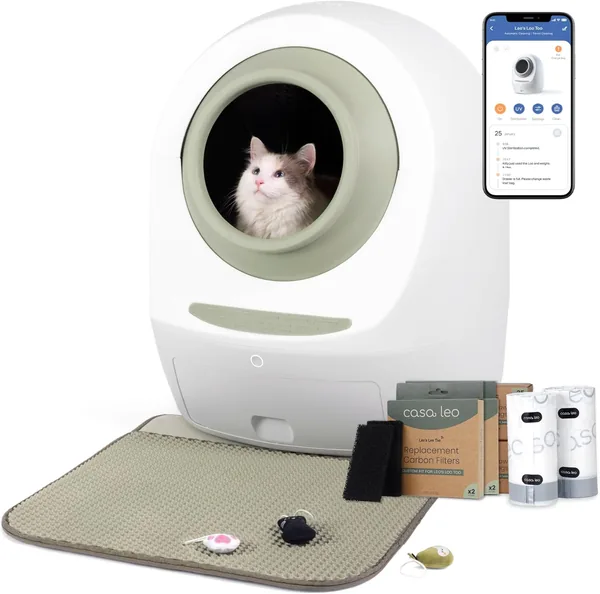
Casa Leo Leo's Loo Too Automatic Litter Box
Automates daily waste sifting while its companion mobile app logs your cat’s exact daily bathroom frequency and weight trends. In our hands-on Casa Leo Leo's Loo Too review, we praised its quiet rotation and UV odor sterilization that keep multi-cat homes fresh.
Check Price on Amazon →5. Daily Oral Hygiene & Dental Rituals
By age three, over 80% of domestic cats suffer from periodontal disease. Oral bacteria beneath the gum line enter the bloodstream, gradually seeding micro-infections in the feline heart valves, kidneys, and liver.
Incorporate a daily dental reward into your cat’s morning routine. Veterinary Oral Health Council (VOHC) accepted crunchy dental treats mechanically scrub plaque from tooth surfaces through specialized porous fiber matrices.
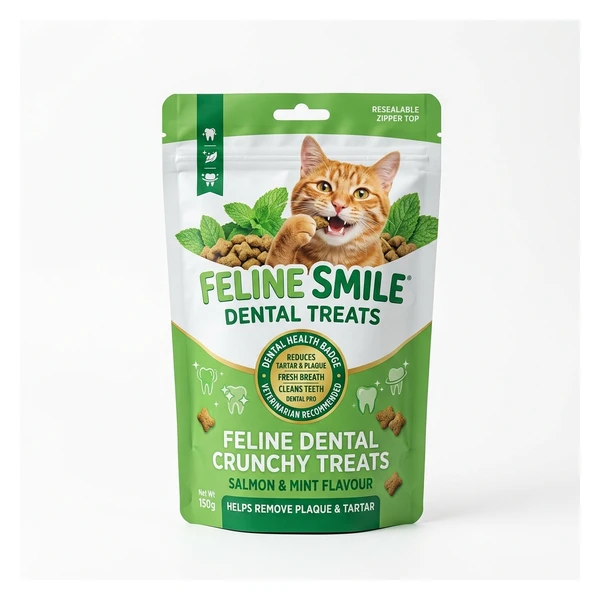 Best Daily Dental Care
FELINE GREENIES Dental Treats (Catnip Flavor)
Designed with a specialized crunchy texture that wraps around feline teeth during chewing to scrape away calculus and freshen breath. With less than 2 calories per treat, they provide daily oral health support and irresistible flavor.
Check Price on Amazon →6. Precision Nutrition: Ban Free-Feeding in Autumn
As outdoor temperatures drop and household activity slows down, indoor cats instinctively spend more hours napping. Leaving a bottomless bowl of dry kibble out ("free-feeding") during autumn leads to rapid weight gain and feline obesity.
Transition to scheduled, measured meals split into two to three daily portions. Incorporate at least 50% high-protein wet canned food into daily meals. Wet food contains approximately 75% moisture, significantly aiding daily hydration and supporting lean muscular tone. Learn more in our toxic food defense guide.
7. 15 Minutes of Daily Aerobic Prey-Play
Indoor cats remain predatory ambush hunters with innate hunting drives. When denied predatory outlets, that pent-up biological energy transforms into destructive scratching, 3 AM zoomies, or displaced aggression toward other pets (resolve multi-cat territory tension here).
Engage your cat in 15 minutes of structured aerobic exercise every evening. Use feather wands or laser toys to mimic the realistic movements of birds or rodents. Always end the play session by allowing your cat to "catch" and bite a physical kicker toy, followed immediately by a healthy meal or treat. This completes the natural neurological sequence: Stalk → Chase → Catch → Kill → Eat → Groom → Sleep. Explore our complete tutorial on indoor cat exercise routines.
8. Thermal Sleeping Sanctuaries for Joint Protection
Autumn cold air pools near the floor, creating invisible temperature drops of 5 to 10 degrees along floorboards and rugs. For senior felines or short-haired breeds, sleeping on chilly surfaces causes severe morning stiffness and mobility pain.
Elevate beds off the floor onto secure furniture, or place electricity-free self-warming pads in your cat’s preferred napping perches. These pads utilize metallic mylar thermal reflection to bounce body warmth directly back to your cat.

 Best Autumn Thermal Wellness
K&H Pet Products Self-Warming Cat Bed Pad
Radiates your cat’s own body heat back using a safe, internal mylar insulating layer without requiring power outlets or cords. Soft microfleece padding cushions arthritic joints and insulates sleeping cats from autumn window drafts.
Check Price on Amazon →9. Halloween Defense & Toxin Prevention
During late October, keep your daily routine guarded against holiday dangers: store trick-or-treat bowls in high closed cabinets away from curious cats, replace wax jack-o’-lantern candles with safe battery-operated LED lights, and set up a quiet retreat room on Halloween evening to prevent terrified door-dashing (learn how hiding behaviors signal fear).
The 24-Hour Autumn Daily Cat Care Schedule
| Time of Day | Core Wellness Action | Time Needed | Veterinary Objective |
|---|---|---|---|
| 7:00 AM (Morning) | 5-Minute Physical Exam & Fresh Wet Food | 5 mins | Inspect eyes/teeth/coat; kickstart morning hydration |
| 7:30 AM (Post-Breakfast) | Litter Box Scoop & Clump Inspection | 3 mins | Audit urine volume and stool consistency before work |
| 12:00 PM (Midday) | Fountain Water Level Check & Top-Off | 2 mins | Ensure pump is running quietly with fresh bubbling flow |
| 6:30 PM (Evening) | Daily De-Shedding Brush & Dental Treats | 5 mins | Remove loose molting hair; scrape dental tartar |
| 9:30 PM (Nighttime) | 15-Min Aerobic Play & Thermal Bed Setup | 15 mins | Drain hunting drive; ensure cozy warmth against night chill |
Frequently Asked Questions
What are the most essential daily cat care tasks?
The five essential daily tasks are: providing clean fresh running water, feeding measured portion-controlled meals, scooping or checking the litter box for healthy output, performing a 5-minute physical wellness check, and engaging in at least 15 minutes of interactive aerobic playtime.
Why do cats need special care routines in the autumn and fall?
Autumn brings decreasing daylight that triggers seasonal coat blowing (leading to severe hairballs), dropping temperatures that reduce natural thirst drive (increasing urinary blockage risks), and cold drafts that aggravate joint arthritis in senior cats. Seasonal hazards like Halloween candy, open-flame candles, and trick-or-treater door chaos also require extra vigilance.
How much water does an indoor cat need to drink every day?
An average 10-pound indoor cat requires approximately 7 to 9 ounces (200-260 ml) of water daily. Because cats have a naturally low thirst drive, using a circulating pet water fountain and feeding moisture-rich wet food are vital to prevent urinary tract infections and bladder crystals.
How can I tell if my cat is sick during daily home checks?
Watch for the 'subtle sickness triad': changes in litter box habits (straining, small clumps, or diarrhea), changes in appetite or water consumption, and social withdrawal (hiding under beds or avoiding contact). Felines instinctively mask pain, so subtle routine deviations are critical early indicators.
The Gift of Lifelong Feline Vitality
A thriving, contented indoor cat is not an accident of genetics—it is the daily product of attentive, compassionate care. By investing just 25 total minutes spread across your morning and evening into these 9 autumn wellness habits, you protect your feline friend from silent illnesses, painful hairball obstructions, and seasonal stress.
This autumn, embrace these simple daily rituals. When your cat curls up purring contentedly beside you on a crisp autumn evening, healthy and vibrant, you will know you have given them the greatest gift possible: a long, joyful, and thriving life.