
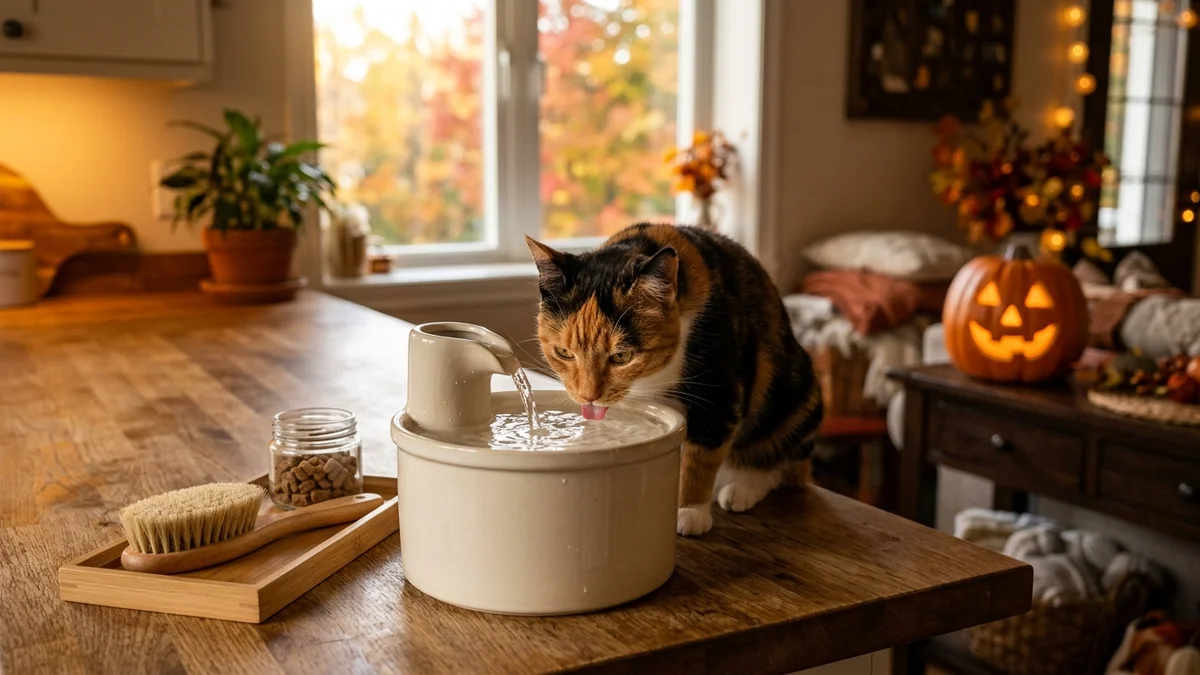
When autumn leaves blanket the ground and brisk morning breezes set in, many cat owners assume their strictly indoor felines are completely shielded from the seasonal elements. After all, indoor cats do not walk in freezing puddles or roam through autumn rainstorms.
However, veterinary clinics witness a noticeable surge in feline patient visits between October and December. The transition into autumn sparks major environmental shifts inside your home: furnace heating dries out delicate nasal linings, outdoor mold spores track indoors on shoes and clothing, daylight depletion triggers hormonal coat transitions, and feline immune barriers face increased stress.
Whether your companion is an active young explorer or a dignified senior enjoying quiet naps, this veterinary-reviewed guide breaks down the essential protocols to keep your indoor cat thriving, vibrant, and protected throughout the autumn flu season.
1. Understanding Autumn "Cat Flu": Causes, Symptoms & Flare-Ups
Unlike humans, cats do not contract seasonal human influenza (A or B strains). Instead, the phrase cat flu refers to feline upper respiratory infection (URI) complexes, primarily caused by two pervasive pathogens:
- Feline Herpesvirus-1 (FHV-1): Present in up to ninety percent of all domestic cats. FHV-1 remains dormant inside nerve tissues and reactivates during periods of environmental stress, cold drafts, or dry air.
- Feline Calicivirus (FCV): A hardy virus known for causing sneezing, nasal discharge, and painful oral ulcerations on the tongue and gums.
Why Fall Triggers Flare-Ups in Strictly Indoor Cats
When central heating kicks on in late October, indoor relative humidity often drops below thirty percent. This dry environment parches your cat's mucous membranes—the first physical line of defense in the respiratory tract. When mucosal secretions dry up, dormant viruses seize the opportunity to multiply, causing sudden sneezing fits, glassy eyes, and clear-to-cloudy nasal discharge.
| Clinical Sign | Mild Fall Irritation | Veterinary URI Warning (Seek Care) |
|---|---|---|
| Sneezing Frequency | Occasional single sneezes after waking | Continuous paroxysmal sneezing fits |
| Nasal & Ocular Discharge | Clear, watery, minimal tear staining | Thick yellow or green discharge, crusting |
| Appetite & Energy | Normal feeding, lively play drive | Complete food refusal for over twenty-four hours |
| Oral Health | Clean gums, normal salivation | Excessive drooling, painful tongue ulcers |

Purina Pro Plan FortiFlora Feline Probiotic Supplement
Veterinary Immune & Gut Support — Over seventy percent of feline immune cells reside in the digestive tract. FortiFlora delivers proven Enterococcus faecium microencapsulated strains to bolster natural antibodies and prevent seasonal stress flare-ups.
2. Fall Shedding & the Dangerous Autumn Hairball Spike
Many cat parents believe shedding only happens in spring. In reality, the autumn shed is equally intense. As natural photoperiods shorten, your cat's brain signals the endocrine system to shed the lighter summer guard hairs to make room for a dense, insulating winter undercoat.
Cats spend between thirty and fifty percent of their waking hours grooming. With increased loose fur across their bodies, your feline ingests hundreds of shed hairs every single day. In small quantities, hair passes uneventfully through the gastrointestinal tract. But during heavy autumn shedding, swallowed fur mats with stomach bile, forming stubborn trichobezoars (hairballs).
Preventing Intestinal Obstructions
Hairballs are not just an inconvenient mess on your living room rug—they pose a genuine risk of life-threatening mechanical bowel obstruction. If your cat demonstrates repeated dry hacking, retching without producing hair, or constipation, veterinary evaluation is imperative.

FURminator Undercoat deShedding Tool for Cats
Top Grooming Tool — Stainless steel deShedding edge reaches deep beneath topcoat to safely remove loose undercoat fur without scratching sensitive skin. Reduces seasonal shedding by up to ninety percent. Read our complete FURminator hands-on review.
3. Battling Fall Indoor Allergies: Mold & Dust Mite Defense
Seasonal allergies in cats are called feline atopic dermatitis or non-flea, non-food hypersensitivities. Autumn introduces a double wave of airborne allergens:
- Decaying Leaf Mold Outdoors: Wet fallen leaves foster thriving colonies of Alternaria and Cladosporium molds. Microscopic spores easily cling to your shoes, pant cuffs, and coats, entering your living room undetected.
- Heater Dust Blowout Indoors: When you activate home heating after months of disuse, accumulated dust mites and particulate matter are blasted directly into living spaces.
Unlike humans who develop watery eyes and runny noses, cats primarily manifest allergies through their skin. Watch for persistent scratching around the neck and ears, licking hair bare on the inner thighs and abdomen, or military dermatitis (tiny crusty scabs along the spine). Using high-efficiency HEPA air purifiers and washing cat bedding in hot water weekly dramatically reduces allergen load.
4. The Cold-Weather Hydration Drop & Urinary Protection
Cats possess an evolutionary low thirst drive inherited from desert-dwelling ancestors. In warm summer months, panting or warmth prompts them to visit the water dish. But in cool autumn weather, water consumption often plummets by twenty to thirty percent.
Reduced fluid intake leads to highly concentrated urine, predisposing cats to painful Feline Idiopathic Cystitis (FIC), bladder stones, and life-threatening urethral blockages in male cats. Stagnant standing water in plastic bowls also cools down uncomfortably and absorbs stale odors that sensitive feline noses reject.

Veken Innovation Stainless Steel Cat Water Fountain (108oz, C1)
#1 Fall Hydration Booster — Innovation award winner featuring a hygienic 304 stainless steel top and multi-stage carbon filtration. The ultra-quiet circulating stream appeals to feline hunting instincts and keeps water oxygenated and fresh, encouraging picky cats to drink throughout chilly autumn days.
5. Cozy Care for Senior Cats & Stiff Autumn Joints
If you care for a cat older than seven years, pay close attention to their agility as autumn settles in. Cold air, rising dampness, and barometric pressure drops trigger inflammatory stiffness in feline osteoarthritis—a condition affecting over ninety percent of senior cats over twelve years of age.
Senior cats rarely cry out when in pain; instead, they suffer in silence. Common signs of seasonal arthritic discomfort include:
- Reluctance or hesitation before leaping onto sofas or favorite window sills.
- Unkempt or matted coat along the lower spine where bending to groom hurts.
- Accidents right beside the litter box because climbing high entrance walls aches. (Consider low-entry options featured in our litter box buying guide).

Pecute Self-Warming Thermal Cat Mat
Electricity-Free Joint Comfort — High-density thermal insulation reflects your cat's natural body heat back to aching hips and joints. Safe for unsupervised use on chilly autumn floors and drafty window seats. Read our full winter warming tips.
6. Protecting Litter Box Habits During Cold Snaps
When weather cools down, cats become far more sensitive to their bathroom environment. In cold houses, litter boxes placed directly on bare basement concrete, cold laundry room tile, or drafty garages feel uninviting and uncomfortable under sensitive paw pads. This often triggers inappropriate elimination on warm carpets or bedding.
Keep your litter boxes in climate-controlled living areas. If you use smart self-cleaning units such as the Litter-Robot 4 or Casa Leo Leo's Loo Too, place thermal mats beneath the units to prevent thermal loss from bare flooring. You can review sound ratings and mechanical profiles in our automatic litter box comparison chart to ensure your setup stays quiet and welcoming all season.
7. Fall Nutrition & Avoiding Seasonal Toxic Hazards
As daylight hours diminish, feline biology naturally prompts an appetite increase to build protective caloric reserves for winter. While an extra pinch of protein is fine, beware of holiday kitchen table hazards. If you are preparing holiday feasts, be sure to read our detailed guide on which Thanksgiving foods are safe for cats.
Remember that allium vegetables (garlic, onions, chives, shallots) are fatally toxic to feline red blood cells. Similarly, never use festive oil diffusers containing cinnamon, clove, pine, or eucalyptus; these essential oils contain concentrated phenols that feline livers cannot metabolize, leading to acute respiratory distress and organ toxicity.
The Essential Autumn Cat Care Checklist
Before winter arrives, ensure you have ticked off these veterinary-recommended fall home tune-ups:
- Furnace Air Filters: Replace standard home HVAC filters with MERV 11 or higher filters to capture dust and mold spores before turning on central heating.
- Humidifier Setup: Maintain indoor room humidity between forty and fifty percent to protect nasal passages from drying out.
- Weekly Deep Brushing: Use a dedicated undercoat deshedding rake twice a week to extract dead fur before your cat ingests it.
- Water Source Check: Keep water fountains running in high-traffic, warm rooms away from chilly exterior drafts.
- Mental Enrichment: Compensate for shorter daylight hours with daily interactive wand play sessions to prevent seasonal boredom. (Explore our guide on indoor cat winter mental stimulation).
When to Contact Your Veterinarian
While minor environmental adjustments resolve most seasonal discomforts, never hesitate to seek professional veterinary care if your cat shows:
- Persistent nasal discharge that turns yellow, green, or blood-tinged.
- Squinting, corneal cloudiness, or swelling around either eye.
- Open-mouth breathing, audible wheezing, or exaggerated chest movements.
- Refusal to eat or drink for more than twenty-four consecutive hours.
By taking proactive steps to humidify your living spaces, brush out shedding undercoats, provide warm joint-friendly bedding, and support their immune system, you can ensure your beloved cat enjoys a vibrant, healthy, and supremely cozy autumn season.