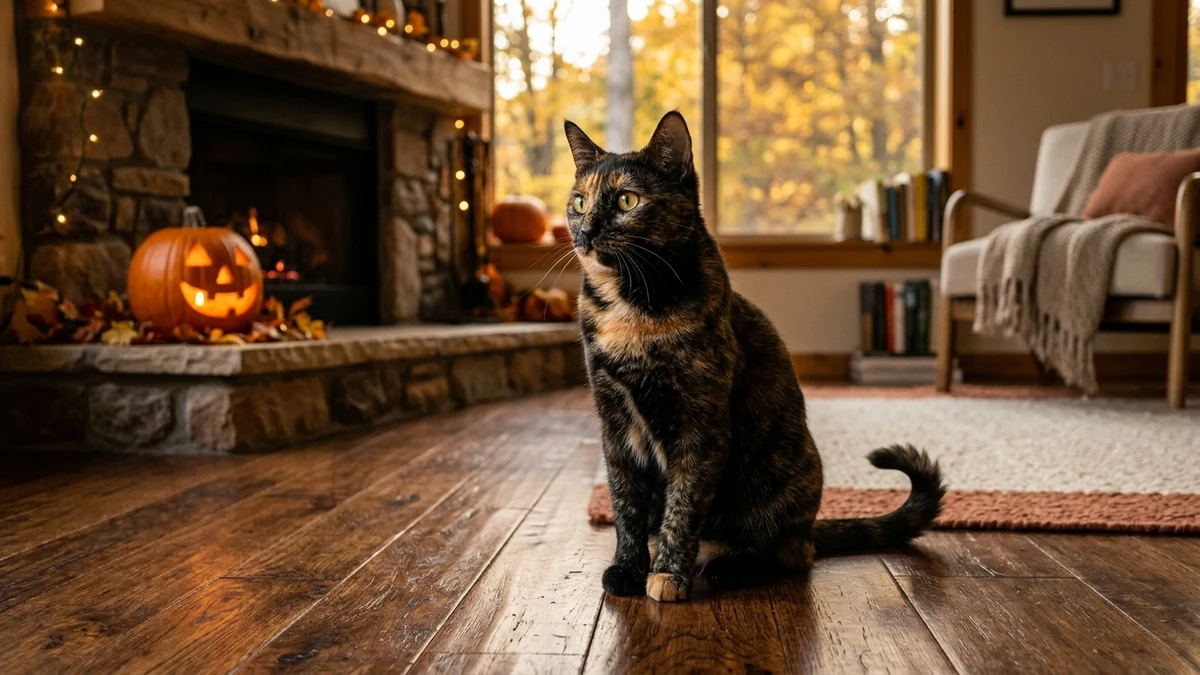
Quick Answer: Nothing symbolizes spooky season quite like the silhouette of the “Halloween cat”: arched spine, bristling fur, giant saucer eyes, and a puffed-up bottle-brush tail. Veterinary behaviorists emphasize structured routines, positive reinforcement, and specialized feline environmental enrichment.
The Silent Symphony: Why Cats Speak with Their Bodies, Not Words
Human beings are intensely verbal creatures; we communicate through vocal pitch, words, and syntax. Domestic cats, however, evolved as solitary hunters who avoided making noise that might alert either prey or larger predators. In fact, adult cats rarely meow at other cats—vocal meowing is almost entirely a specialized evolutionary dialect invented specifically to train human owners!
Among themselves and in their natural habitat, cats communicate through an intricate, silent symphony of physical markers: 32 individual muscles controlling each ear, involuntary facial vibrissae (whiskers), pupils that expand and contract in milliseconds, tail vertebrae that telegraph emotional currents, and micro-postures of the spine.
When you learn to fluently read these 15 essential body language signals, you will never misjudge your cat’s emotional state again—preventing sudden scratches, building unbreakable trust, and keeping them calm during the sensory madness of Halloween night.
Part 1: The Eyes (Windows into the Feline Soul)
1. The Slow Blink (The Feline “Smile” of Love)
When your cat looks across the room at you, softly narrows their eyelids, completely closes their eyes for two seconds, and languidly reopens them, they are offering you the ultimate feline compliment. In predatory psychology, closing both eyes in someone’s presence signals complete vulnerability and trust. Animal behaviorists refer to this as the “cat kiss.” When you return a relaxed slow blink, you confirm that your shared territory is secure.
2. Dilated “Saucer” Pupils (High Adrenaline & Midnight Arousal)
Feline eyes possess an astounding ability to expand their pupils to capture 99% of available light. When pupils widen into giant black pools, it indicates intense sympathetic nervous system arousal. This happens during:
- Predatory Focus: Wiggling their hips right before pouncing on a teaser wand.
- Acute Terror: Seeing a loud costumed stranger or vacuum cleaner.
- Midnight Zoomies: The twilight rush of sensory stimulation that sweeps indoor cats after dark.
3. Narrowed Slit Pupils (High Confidence & Territorial Focus)
When bright light is not the cause, pupils narrowed into thin vertical razor slits communicate intense calculation, high confidence, or rising assertiveness. A confident cat staring down a rival cat through a window will narrow their pupils to maximize depth perception while defending their territorial boundary.
Part 2: The Ears (Feline Radar Dishes)
4. Ears Forward & Alert (Positive Engagement & Curiosity)
Each feline ear is equipped with 32 intricate auricular muscles that can swivel 180 degrees independently. When both ears point crisply forward like miniature satellite dishes, your cat is experiencing positive curiosity. They are happily cataloging a rustling toy, a pleasant greeting, or watching autumn leaves drift past the patio window.
5. “Airplane Ears” (Flattened Sideways: Anxiety & Irritation)
When the ear pinnae rotate outward and press flat horizontally—resembling the wings of an airplane—your cat is experiencing conflicting emotions or mounting sensory overload. You will often see airplane ears during overzealous brushing or when Halloween trick-or-treaters ring the doorbell. It is your cue to immediately pause interaction.
6. Pinned-Back Flat Ears (Severe Terror & Defensive Armor)
When ears are pulled completely flat against the back of the skull, the cat is preparing for physical combat. Anatomically, pinning ears backward protects delicate cartilage from claw and bite wounds during an attack. A cat with pinned-back ears is terrified and will lash out if cornered.
Part 3: The Whiskers (Tactile Navigation & Mood)
7. Whiskers Fanned Forward (Predatory Excitement)
Feline whiskers (vibrissae) are not mere hairs; they are rich sensory organs rooted three times deeper in nerve-packed follicles. When a cat is excited, engaged, or stalking prey, muscular groups push their whiskers forward in a wide fan. This acts as an acoustic and air-current radar, mapping the exact distance to an object right before a strike.
8. Whiskers Pulled Tight Against Cheeks (Fear & Pain)
When a cat bundles their whiskers flat against their jowls, they are adopting a defensive posture. By tucking whiskers tight, they reduce their facial profile to prevent injury. If accompanied by hunched posture, pulled-back whiskers are also a primary clinical indicator of physical pain or dental distress.
Part 4: The Tail (The Emotional Barometer)
9. Tail Straight Up with a Curved Tip (The Question-Mark Greeting)
A tail held high and vertical like a flagpole—especially with a gentle, questioning crook at the tip—is the international feline signal for: “I come in peace and I am thrilled to see you!” In mother-kitten groups, kittens greet their mother with vertical tails to invite scent inspection and mutual head-bunting.
10. Puffed-Up “Bottle-Brush” Tail (Acute Startle & Adrenaline)
When adrenaline surges through a cat’s bloodstream, miniature arrector pili muscles at the base of every hair follicle contract simultaneously, forcing the fur outward. This instantaneous bristling doubles the tail’s volume. Paired with a startled hop, the bottle-brush tail is a classic reaction to unexpected loud noises or spooky sudden movements.
11. Slow Tail Swish & Thumping (Growing Overstimulation)
Unlike dogs, who wag their tails to express joy, a cat’s tail is a countdown timer. A lazy, gentle flick of the very tip indicates relaxed thought. But when the entire tail begins swishing in wide, rhythmic arcs or heavily thumping against the floor, emotional overstimulation is peaking. If you are petting your cat and see this thumping start, retract your hand immediately to avoid a warning nip!
Part 5: Full-Body Postures & Iconic Poses
12. The Iconic “Halloween Cat” Arch & Crab Walk
The definitive symbol of October 31: the back arches into an exaggerated Gothic peak, full-body fur stands on end, the tail hooks into an inverted U, and the cat crab-walks sideways on stiff, extended legs. Why sideways? Because presenting their broadside profile to an intruder makes them appear three times larger than they actually are. While dramatic, it is an involuntary bluff born of sudden shock or high-octane kitten mock combat.
13. The “Loaf” Position (Tucked Paws: Total Sanctuary)
When a cat folds all four paws completely underneath their chest like a freshly baked loaf of bread, with their tail wrapped tightly against their flank, they are signaling supreme comfort. In this position, sudden sprint escapes are anatomically impossible. A cat only loaves when they feel 100% safe from threats in their environment.
14. The Exposed Belly Flop (Trust vs. The “Bear Trap”)
A cat flops onto their side or back, exposing their soft belly. While dog owners instinctively reach in for a belly rub, doing so with a cat often triggers a swift claw-and-teeth clamp known as the feline bear trap! In cat language, showing the belly says: “I trust you enough to display my most vulnerable vital organs.” It is a testament to trust, not an open invitation to pet. Admire it with your eyes, or offer a gentle chin scratch instead!
15. Kneading (“Making Biscuits”: Kittenhood Comfort)
Rhythmically pushing front paws in and out against a plush blanket or your lap is a profound vestigial behavior from early kittenhood. Nursing kittens knead their mother’s mammary glands to stimulate oxytocin and milk letdown. When an adult cat makes biscuits, their brain releases comforting endorphins, reaffirming that you are their chosen protector.
The Feline Body Language Quick-Reference Chart
Keep this handy cheat sheet in mind when interacting with your cat or introducing new guests to your home:
| Body Signal | Primary Emotion | Feline Message | Best Owner Action |
|---|---|---|---|
| Slow Blink | Affection & Trust | “I feel safe with you.” | Slowly blink back; speak softly. |
| Tail Straight Up (Crook) | Joyful Greeting | “Hello friend! I am happy.” | Offer an outstretched finger for head-bunting. |
| Airplane Ears | Unease / Irritation | “I am getting overstimulated.” | Stop petting immediately; give physical space. |
| Arched Halloween Back | Startle / Defensive | “Back off, I am terrifying!” | Do not corner; remove the scary stimulus. |
| The Paw Loaf | Deep Contentment | “No threats here; resting peacefully.” | Allow quiet, uninterrupted relaxation. |
| Tail Thumping | Impending Strike | “My patience has expired.” | Withdraw hands; redirect with a wand toy. |
Halloween Night: Decoding Play vs. Genuine Terror
During October, domestic cats frequently show exaggerated body language. Knowing whether your cat is engaged in playful high-energy antics or genuinely terrified by spooky festivities is crucial for their safety:
- Playful Spooking: A cat arching their back with forward-facing ears, relaxed whiskers, and bouncy side hops toward a crumpled paper ball is engaged in playful predator practice. Let them burn off energy!
- Genuine Halloween Panic: A cat cowering low with saucer pupils, pinned ears, heavy breathing, and a tucked tail when the doorbell rings is experiencing acute distress. Do not force them to greet trick-or-treaters or wear restrictive costumes.
To keep your feline secure through every holiday trigger, review our comprehensive clinical guide on cat anxiety triggers and how to soothe them naturally, as well as our deep dive into why cats act haunted on Halloween.
Calming & Bonding Essentials Tested by Felines Love
When decoding your cat's stress and body language cues, having proven enrichment and calming aids makes an immediate difference:
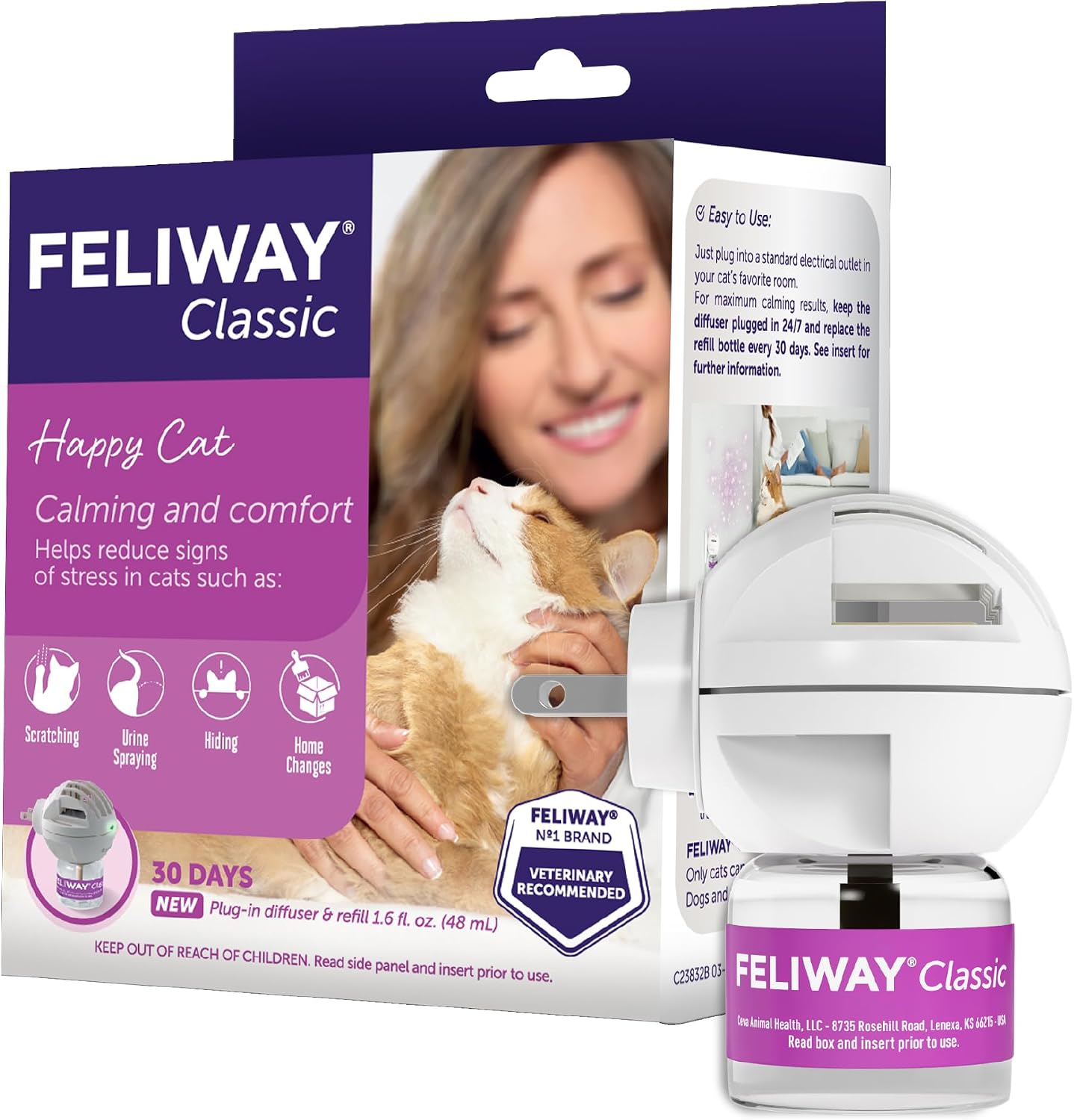
FELIWAY Classic Calming Diffuser Kit
Veterinarian-recommended facial pheromone mimic that relaxes anxious cats, stopping territorial stress and tension.
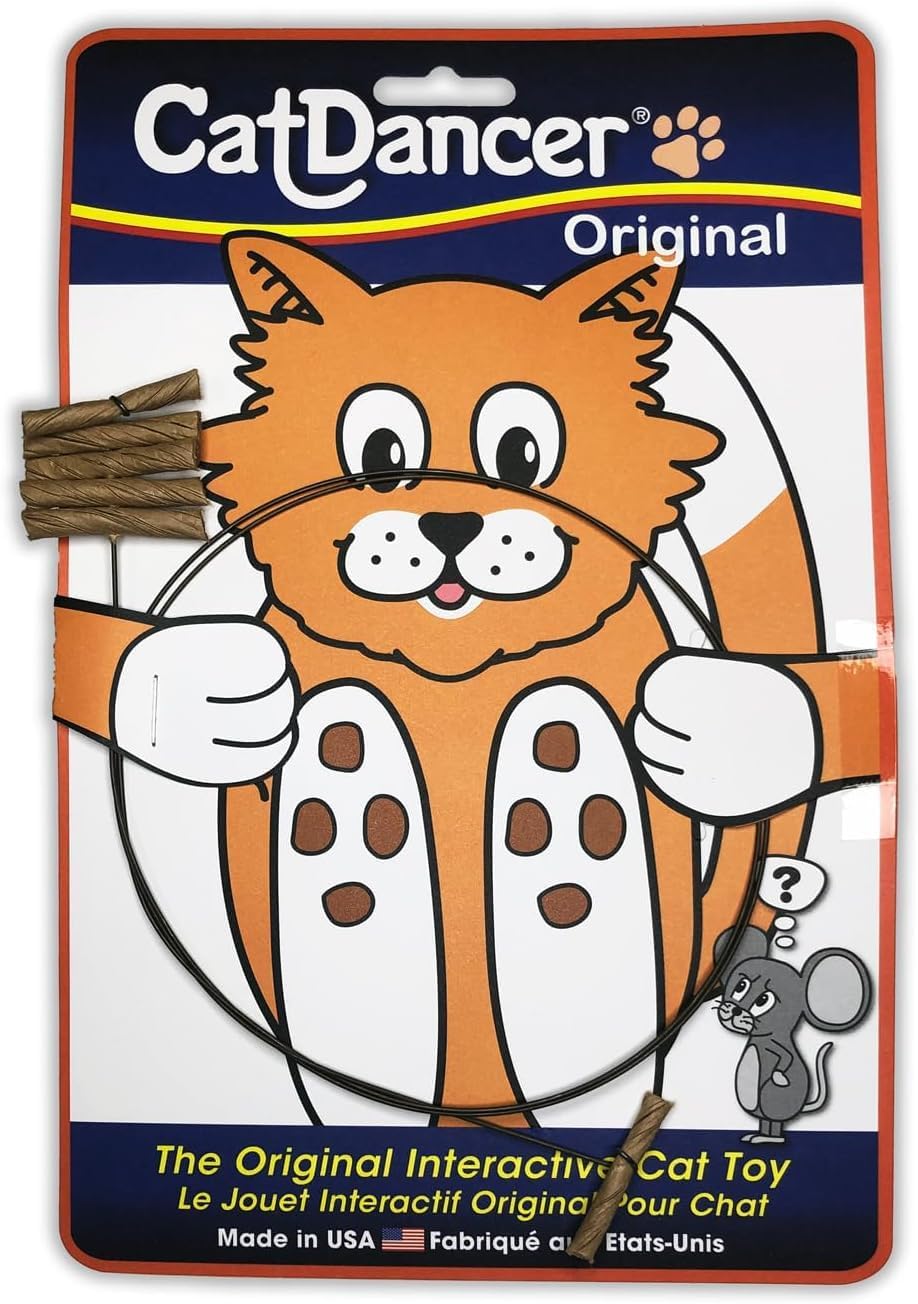
Cat Dancer 101 Original Interactive Toy
Simple spring-steel wire and cardboard lure that stimulates predatory hunting play and deepens positive human-cat bonding.
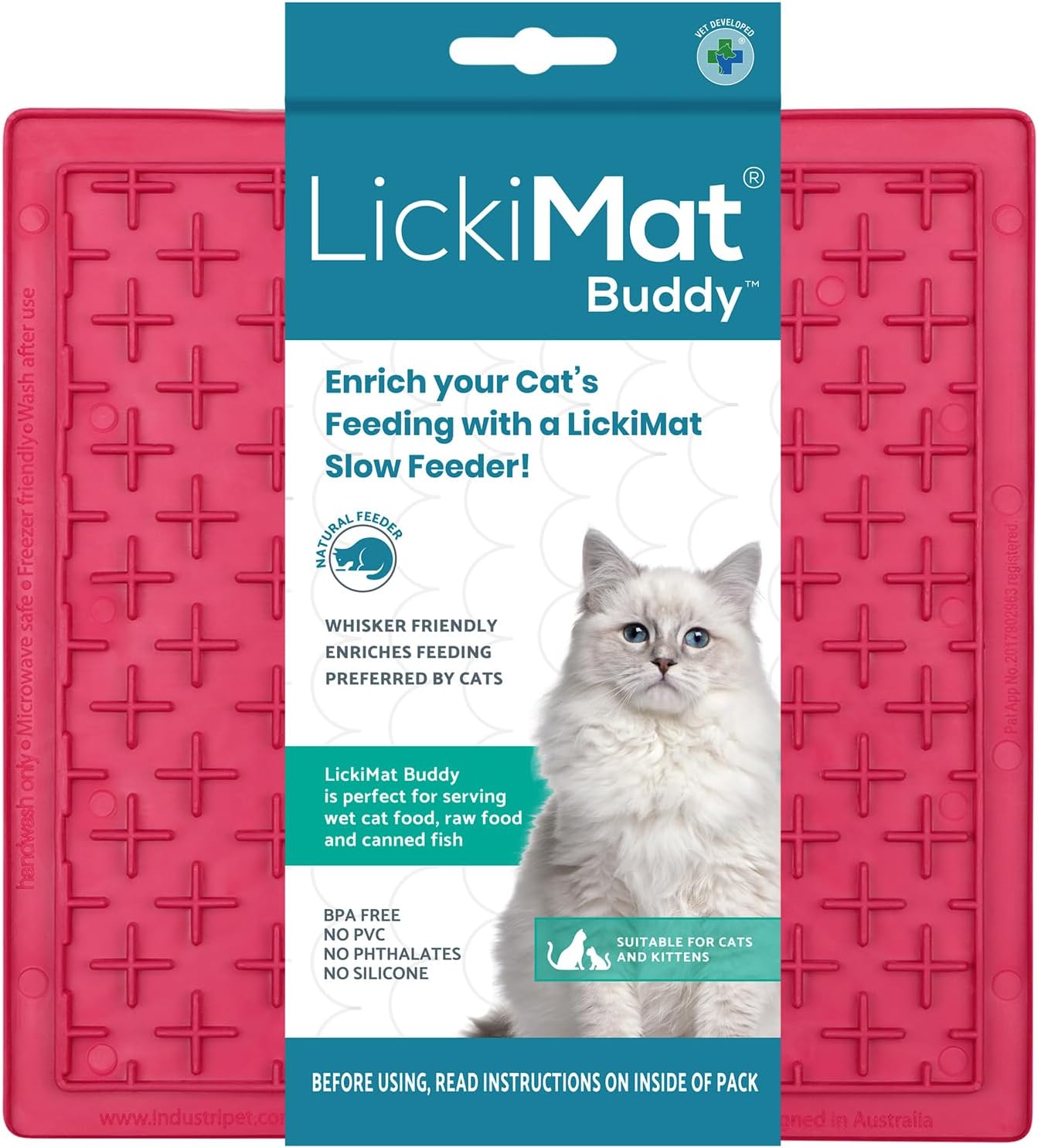
LickiMat Classic Buddy Slow Feeder Lick Mat
Promotes repetitive soothing licking to release calming endorphins and reduce anxiety during grooming or vet visits.
Frequently Asked Questions
What does it mean when a cat arches its back like a Halloween cat?
The classic “Halloween cat” posture—an arched spine paired with piloerection (bristled fur), flattened ears, and a side-stepping crab walk—is an involuntary autonomic fight-or-flight response. The cat is attempting to appear twice their actual physical size to deter a perceived predator or terrifying sudden stimulus. In young cats, it can also occur during mock predatory play.
Why do cats expose their belly if they don’t want it rubbed?
In feline communication, rolling onto the back and displaying the vulnerable soft abdomen is a supreme sign of trust, signaling that your cat feels safe in your shared space. However, it is almost never an invitation for physical belly petting like a dog. Touching the stomach activates defensive reflexes, often resulting in a sudden clamp with all four paws and teeth.
What does a slow blink from a cat mean?
A slow blink—often called the “feline smile” or “cat kiss”—is one of the highest compliments a cat can give. In the wild, closing one’s eyes in the presence of another creature signals absolute confidence that no attack is imminent. Returning a relaxed slow blink tells your cat you recognize their peaceful intent.
Why do a cat’s ears turn sideways into “airplane ears”?
Airplane ears occur when a cat swivels both outer ear pinnae flat and horizontally outward. This reflects conflicting emotions: growing anxiety, sensory overstimulation, or annoyance. It is a clear warning to cease current interactions (such as excessive petting or grooming) before it escalates into defensive biting.
How can I tell if my cat’s dilated pupils mean play or terror?
Pupil dilation reflects autonomic nervous system arousal. To distinguish between playful adrenaline and acute terror, check the rest of the body: if the cat has whiskers fanned forward, a wiggling rear, and ears forward, they are gearing up to pounce on a toy. If pupils are dilated while their body is crouched low, ears are pinned flat, and their tail is tucked tight, they are terrified.
Becoming Fluent in Feline
Living with a cat is a continuous exercise in mindfulness. By learning to decode the subtle tilts of their ears, the sweep of their tail, and the silent rhythm of their slow blinks, you move beyond the myth of the aloof, mysterious feline. You discover a rich, deeply expressive companion who has been speaking to you all along.
This Halloween season, celebrate your cat’s extraordinary sensory brilliance. Protect them from loud holiday chaos, respect their body language boundaries, and cherish the profound trust of a little familiar resting peacefully by your side.