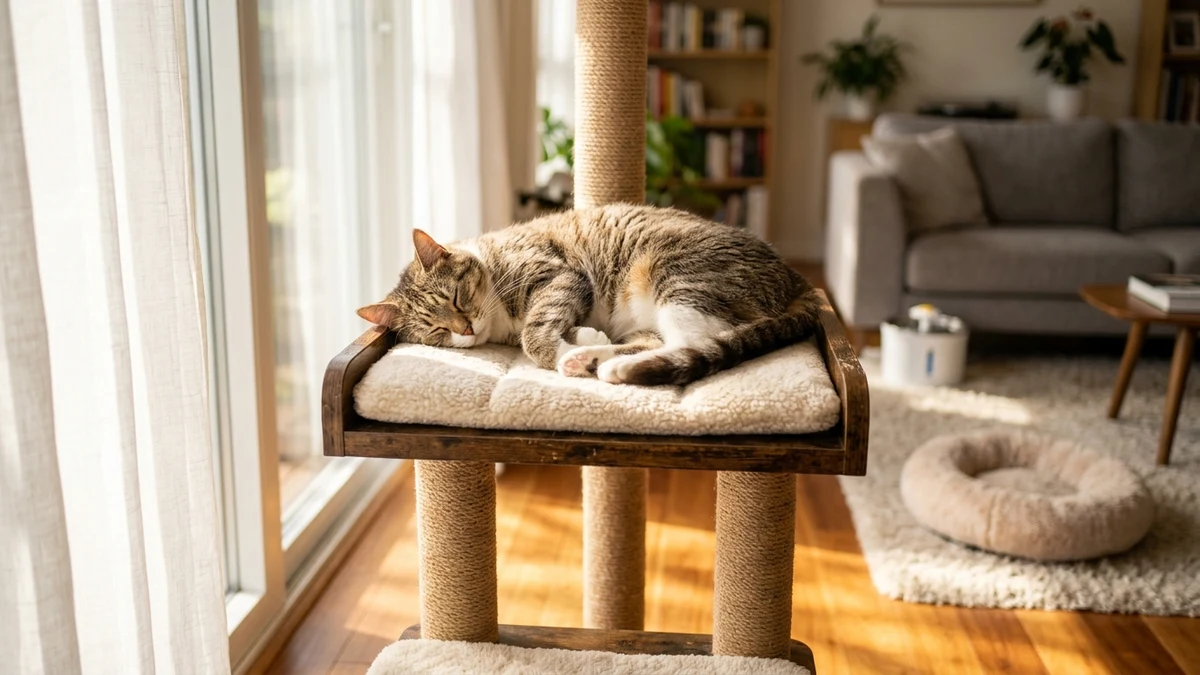
Quick Answer: Cats are often viewed as self-reliant, stoic creatures. Veterinary behaviorists emphasize structured routines, positive reinforcement, and specialized feline environmental enrichment.
Understanding the Feline Mind: Acute Fear vs. Chronic Anxiety
In evolutionary biology, felines occupy a unique dual role: they are both **apex predators** to small prey and **vulnerable prey** to larger carnivores. Because of this dual status, a cat’s survival has always hinged on acute environmental vigilance. Their senses process high-frequency ultrasonic sounds up to 64,000 Hz, track microscopic movements in dim light, and map territory down to individual scent molecules.
However, this acute sensory hardware can easily backfire in a modern human home. When a feline experiences a loud clatter or an unexpected stranger, their sympathetic nervous system floods their bloodstream with adrenaline—an adaptive, short-lived acute fear response. But when environmental uncertainty persists, the adrenal glands release prolonged surges of cortisol. Over days and weeks, this turns into chronic feline anxiety disorder.
Left unmanaged, chronic anxiety damages a cat’s immune defenses, compromises gastrointestinal motility, and frequently triggers painful inflammatory disorders like Feline Idiopathic Cystitis (FIC). To help your cat heal, you must first uncover what is setting off their alarm bells.
The 5 Primary Cat Anxiety Triggers
Most pet parents assume cat stress requires a dramatic catastrophe—such as a cross-country move or an aggressive new dog. In reality, everyday micro-disruptions are often the culprit. Here are the five primary categories of feline anxiety triggers:
1. Territorial Upheaval & Environmental Shifts
A cat’s sense of security is deeply anchored to spatial geometry and olfactory landmarks. When you rearrange the living room couch, paint an accent wall, replace old carpets, or bring in brand-new cardboard delivery boxes smelling of foreign warehouses, your cat’s established scent map is obliterated. To a human, it is just fresh decor; to a cat, it feels like waking up in a completely different, potentially hostile territory.
2. Acoustic Shocks & Noise Pollution
Because feline hearing is more than three times more sensitive to high-pitched acoustics than human ears, household sounds that we barely notice can register as piercing alarms. Common acoustic triggers include:
- Thunderstorms & Fireworks: The combination of sudden barometric pressure plunges, concussive bass booms, and flashing lights induces acute terror.
- Household Appliances: High-speed blenders, rumbling dishwashers, and loud vacuum cleaners.
- Outdoor Construction & Heavy Traffic: Low-frequency engine rumbles vibrating through apartment flooring.
3. Routine Fragmentation
Cats are obligate creatures of habit. Their internal circadian clocks expect breakfast at 7:00 AM, midday grooming sessions at 1:00 PM, and interactive play at 7:30 PM. Disrupted work schedules, irregular meal hours, delayed litter box cleaning, or frequent weekend travel severely destabilize their predictable world, fostering constant anticipatory dread.
4. Separation Anxiety & Isolation Distress
Contrary to popular belief, felines form deep attachment bonds with their human guardians. When pet owners return to office commutes or take multi-day trips, cats can experience intense separation distress. Many will vocalize frantically near entry doors, refuse meals while alone, or display frantic, clingy behavior upon your return.
5. The Medical Pain Connection (Hidden Illness)
Always remember the golden rule of feline veterinary behavior: sudden behavioral changes are medical problems until proven otherwise. Felines instinctively mask pain to avoid signaling vulnerability to predators. Silent chronic pain—such as early osteoarthritis, dental resorption, pancreatitis, or urinary tract inflammation—leaves a cat feeling fragile and defensive, manifesting as sudden irritability, hiding, or litter box aversion.
Spotting the Red Flags: How Cats Communicate Distress
Because cats do not complain aloud, pet parents must learn to read their subtle physical and behavioral cues. Cat anxiety manifests across three distinct behavioral zones:
Feline Anxiety Symptom Matrix
| Severity Tier | Behavioral Indicators | Body Language Clues |
|---|---|---|
| Mild Stress | Hesitant steps, checking rooms cautiously, occasional hiding under beds. | Twitching tail tip, ears swiveling backwards, slight crouching. |
| Moderate Anxiety | Excessive vocalization, overgrooming abdomen/flanks, pacing, clinginess. | Dilated saucer pupils, flattened “airplane” ears, rippling back skin. |
| Severe Distress | Inappropriate urination outside box, complete social withdrawal, appetite loss, unprovoked aggression. | Full-body trembling, panting with open mouth, piloerection (puffed tail/spine). |
For an in-depth breakdown of subtle grooming and posture clues, review our companion clinical guide on 10 hidden cat anxiety signs and body language triggers.
How to Soothe an Anxious Cat: 8 Proven, Vet-Backed Strategies
Healing a stressed cat requires a comprehensive approach that targets their environment, sensory input, daily routine, and emotional security. Here are eight practical, clinically proven interventions to restore tranquility:
1. Build a Dedicated “Home Base” Sanctuary
Every anxious cat needs an unquestioned safe haven. Choose a quiet, low-traffic room (like a spare bedroom or office) and equip it with everything they need: a cozy bed, fresh water, a clean litter box, and a scratching post. Crucially, **add vertical real estate**. When cats are elevated on a sturdy cat tree or wall shelf, their vantage point allows them to survey the room without feeling cornered, instantly reducing cortisol production.
2. Deploy Synthetic Feline Facial Pheromones
When a calm cat rubs their cheeks against your legs or furniture corners, they deposit feline facial pheromone fraction F3. This chemical message communicates to their limbic system: “This territory is safe and familiar.” Plug-in diffusers (such as Feliway Classic or Feliway Optimum) mimic these natural bio-markers, diffusing odorless calming signals throughout the home 24 hours a day.
3. Establish a Rock-Solid Micro-Routine
Predictability is the ultimate antidote to feline anxiety. Commit to fixed daily schedules for feeding, scooping, and play. If you work long hours or travel, utilize automated pet technology to maintain strict timing. A programmable smart feeder delivers exact meal portions at precisely the same minute every day, eliminating food-related panic.
4. Acoustic Masking & Calming Soundscapes
To combat external noise pollution, flood the environment with calming auditory textures. White noise machines mask sudden acoustic spikes. Additionally, peer-reviewed clinical studies have proven that cats respond positively to species-specific music composed at frequencies matched to feline purrs and vocalizations (such as David Teie’s Music for Cats) or soft classical piano (Chopin and Debussy).
5. Channel Energy Through Predatory Play Therapy
Anxiety creates pent-up nervous energy that frequently spirals into pacing or destructive grooming. Dispel this energy through structured interactive play twice daily using feather wand lures. Complete the natural feline predatory sequence: Stalk → Chase → Pounce → Catch → Eat. Immediately following the play session, reward them with a high-protein treat or their main meal. This triggers a biological satiety cascade, inducing deep, restorative sleep.
6. Introduce Natural Calming Nutraceuticals
Several veterinary-formulated natural supplements can safely support nervous system balance without sedation:
- L-Theanine: An amino acid naturally found in green tea that stimulates calming alpha brain waves and boosts GABA synthesis.
- Alpha-Casozepine: A bioactive peptide derived from bovine milk protein that activates benzodiazepine receptors naturally, promoting calm during environmental transitions.
- Valerian & Silvervine: While inducing brief initial play, these herbs promote profound relaxation during the post-stimulation cooldown.
7. Optimize the Litter Box Environment
Litter box stress is both a symptom and a major cause of chronic anxiety. Follow the veterinary golden rule: provide $N+1$ boxes (where $N$ is the number of cats in your home). Ensure boxes are placed in open, quiet locations with wide 360-degree sightlines so your cat never feels trapped. In multi-cat homes, learn how to prevent territory guarding in our guide on multi-cat litter box placement rules.
Furthermore, maintaining pristine cleanliness is paramount. Using an advanced automatic self-cleaning litter box like the Litter-Robot 4 ensures your cat is always greeted by fresh, odor-free litter, eliminating dirty-box stress entirely.
8. Clinical Collaboration & Prescription Therapies
If environmental modifications and natural supplements do not sufficiently ease your cat’s distress, schedule a comprehensive veterinary exam. A veterinarian will run blood panels and urinalysis to rule out occult infections, hyperthyroidism, or FLUTD. In cases of chronic generalized anxiety or severe phobias, short-term or maintenance pharmaceutical support—such as gabapentin for acute triggers, or fluoxetine (Prozac) and clomipramine for long-term behavioral therapy—can be life-changing for your cat’s well-being.
Top Vet-Recommended Calming Essentials
To assist in building a peaceful sanctuary, here are the top-rated tools tested by our team and feline behaviorists:
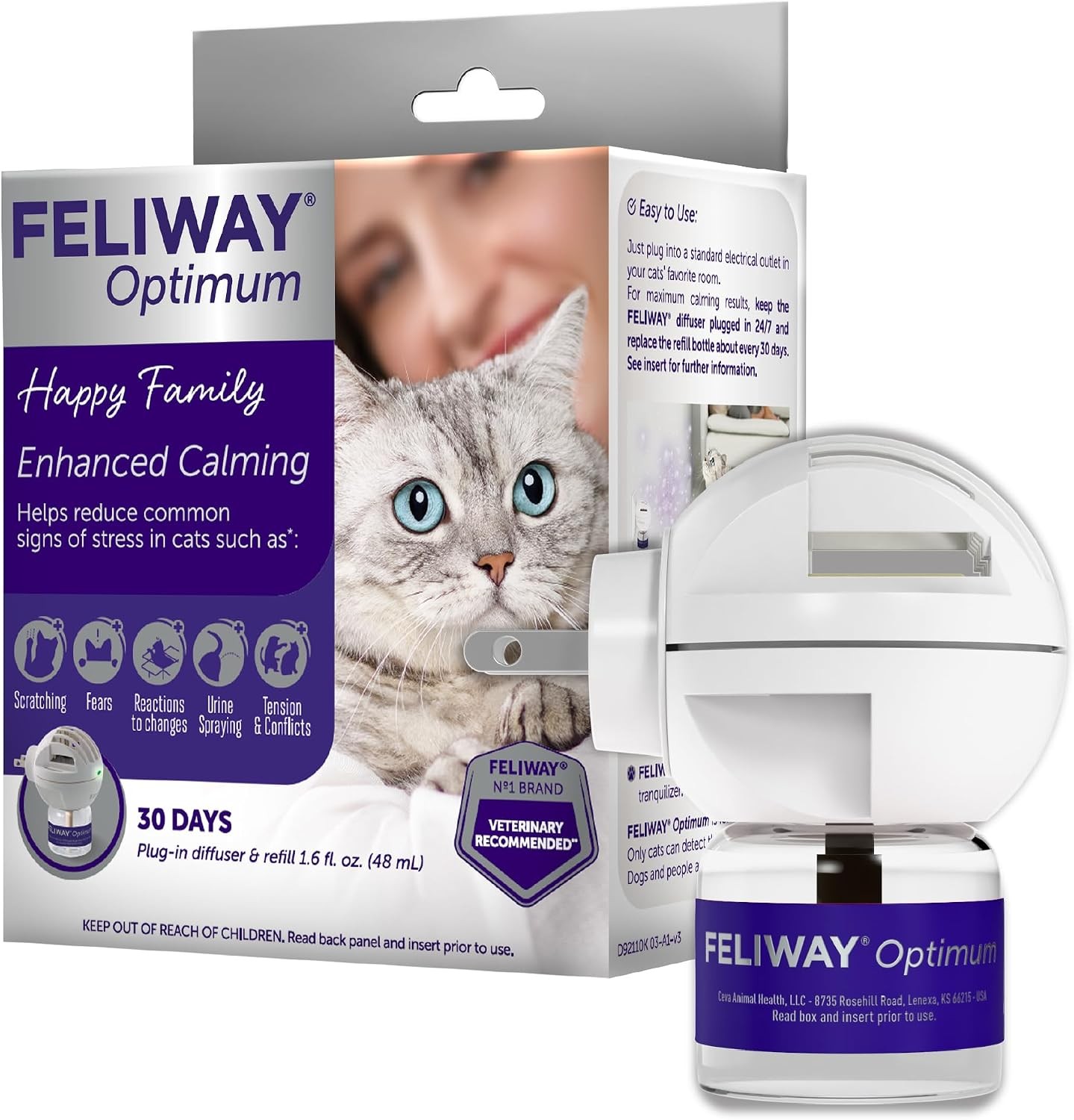
Feliway Optimum Multi-Cat Diffuser
Features an advanced pheromone complex that covers up to 700 sq ft, reducing hiding, scratching, and territorial tension within 7 days.

Western Home Calming Donut Cat Bed
Raised rim creates a secure nest with orthopedic joint support, allowing anxious cats to curl up safely and feel swaddled.
Armarkat 57-Inch Premium Cat Tree
Provides solid multi-tier vertical height, an enclosed privacy condo, and sisal posts so anxious cats can survey their domain safely.
Frequently Asked Questions
What helps anxiety in cats naturally?
Natural remedies include synthetic feline facial pheromone diffusers (such as Feliway), high vertical perches that offer a secure vantage point, predictable feeding and play schedules, calming acoustic soundscapes (classical music or David Teie feline music), and nutraceutical supplements containing L-theanine or hydrolyzed milk protein (alpha-casozepine).
Can cats develop chronic anxiety disorders?
Yes. While acute fear is a normal adaptive response to a temporary threat (like a vacuum cleaner), chronic generalized anxiety disorder occurs when a cat remains in a persistent state of hypervigilance. Chronic stress elevates cortisol levels, weakens immune defense, and frequently triggers physical illnesses like feline idiopathic cystitis (FIC).
Why is my cat suddenly peeing outside the litter box when stressed?
Urination outside the box is one of the most common signs of feline distress. Cats deposit scent markers on soft items (like laundry or beds) to surround themselves with familiar territory signals. Furthermore, anxiety frequently triggers inflammation in the bladder wall (FIC), making urination painful and causing negative litter box associations.
Do cats get separation anxiety when you leave for work or travel?
Contrary to the myth that cats are completely aloof and solitary, felines form deep social attachments. Separation anxiety in cats often manifests as distress vocalization right after departure, overgrooming upon return, following you from room to room, or inappropriate urination on clothing carrying your scent.
When should I consult a veterinarian about prescription medication for my cat’s anxiety?
You should consult a veterinarian immediately if anxiety results in self-mutilation (licking fur until skin is raw), aggressive attacks toward household members, refusal to eat for more than 24 hours, or litter box avoidance. A vet will first perform bloodwork and urinalysis to rule out underlying pain or infections before considering medications like gabapentin or fluoxetine.
Restoring Your Cat’s Inner Peace
Living with an anxious cat can feel challenging, especially when distress presents as uncharacteristic hiding or accidents on the carpet. But it is vital to remember: cats never act out of malice or spite. Every anxious behavior is a distress beacon signaling that their environment feels unpredictable or overwhelming.
By identifying their specific triggers, establishing predictable daily rhythms, providing vertical safe perches, and consulting with your veterinarian, you can transform a fearful cat into a confident, purring companion. For more home enrichment inspiration, explore our step-by-step guide to creating the ultimate indoor cat paradise.