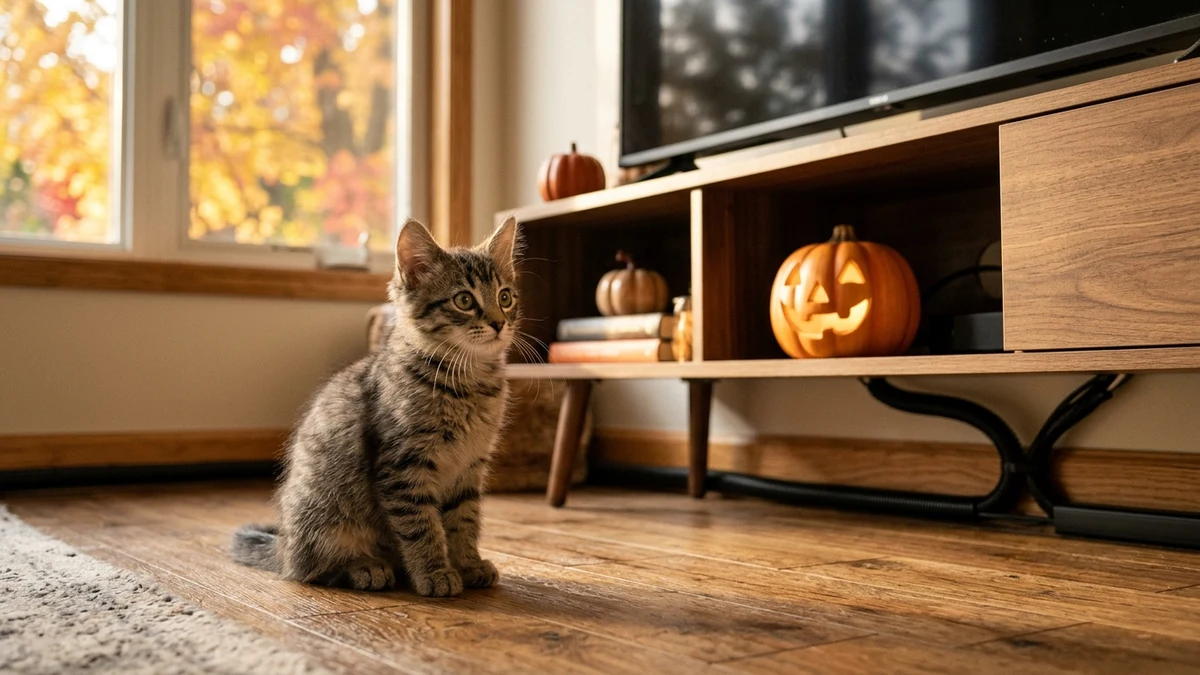
Quick Answer: To stop a kitten from chewing electrical cables without relying on ineffective bitter sprays, you must combine heavy-duty physical barriers (such as split-loom corrugated tubing and solid cable raceways), tactile deterrents (aluminum foil wraps and double-sided sticky tape), and satisfying teething alternatives (dense rubber chew toys, silvervine dental sticks, and mental enrichment). Kittens chew cords primarily due to teething jaw discomfort between 3 and 7 months of age, predatory boredom, or sensitivity to electromagnetic vibrations.
Chewing on electrical cables is one of the most perilous habits a young cat can develop. Unlike adult cats who rarely bite cords unless suffering from severe boredom or nutritional pica, kittens possess an overwhelming biological urge to explore their environment through their mouths. When soft rubber charging cables twitch like snake tails or emit faint electromagnetic warmth, they present an irresistible target.
The Biological Drive: Why Kittens Attack Cables
Before implementing physical barriers, it is vital to understand the four primary biological motivations behind feline cord gnawing:
- The Teething Window (Weeks 12 to 28): Between 3 and 7 months of age, a kitten sheds 26 razor-sharp deciduous milk teeth while 30 permanent adult teeth force their way through the gums. The firm, rubbery resistance of electrical cord insulation provides the exact tactile pressure needed to soothe inflamed, throbbing gum tissue.
- Predatory Prey Mimicry: In feline evolutionary psychology, long, thin, flexible objects that drape over furniture edges or wiggle across baseboards mimic the movements of rodent tails and garden snakes. Tapping and biting a moving wire is pure predatory hunting practice.
- Electromagnetic Vibration & Warmth: Cats possess exceptional sensory acuity. AC power adapters, game console power bricks, and energized laptop chargers emit high-frequency electromagnetic micro-vibrations and localized warmth that cats can feel with their facial vibrissae (whiskers).
- Environmental Under-Stimulation & Boredom: An energetic kitten left alone in a static room for 8 hours will inevitably find entertainment. If no designated enrichment toys or a multi-level indoor cat tree are within reach, dangling cords behind desks become default playthings.
Why Bitter Apple and Chemical Sprays Rarely Work
Pet supply stores frequently promote bitter apple, cayenne, or citrus-infused topical sprays as quick fixes for cable chewers. In clinical feline behavior, however, veterinary behaviorists consistently find that deterrent sprays suffer from three fundamental flaws:
- Rapid Carrier Evaporation: The volatile alcohol or water base carrying the bitter tastant evaporates within 6 to 12 hours. Unless you respray every cable in your house twice daily, the deterrent wears off completely.
- The Grooming Rebound Effect: When kittens rub their cheeks or paws against sprayed cables, the sticky chemical residue transfers to their fur. During daily grooming, they ingest the compound, creating oral aversion to eating or causing foaming at the mouth (ptyalism) and gastrointestinal nausea.
- It Does Not Treat the Root Need: A bitter taste merely makes one specific cable taste foul; it does nothing to relieve intense teething pain or predatory boredom. The kitten simply moves to an untreated phone charger, headphone wire, or internet router cable across the room.
Strategy 1: Heavy-Duty Physical Armor & Shielding
The single most reliable, foolproof method to protect both your kitten and your home electronics is physical shielding. If your kitten's teeth cannot physically penetrate through to the inner copper wire, electrocution is virtually impossible.
1. Polyethylene Corrugated Split-Loom Tubing
Commonly used in automotive and industrial cable bundling, corrugated split-loom tubing is manufactured from rigid, high-density polyethylene. It features a continuous split along its entire length, allowing you to slip existing cords inside without disconnecting plugs. The heavy, ridged plastic is too wide for a kitten's small jaw to compress, immediately extinguishing the chewing habit.
2. Heavy-Duty Braided Wire Sleeves
For flexible desk setups, braided high-density PET (polyethylene terephthalate) sleeves offer tight, flexible shielding that kittens cannot puncture with their deciduous canines. Braided sleeves expand to fit multiple cables simultaneously, turning a tangled nest of enticing thin wires into a single solid conduit.
3. Rigid Floor and Wall Cable Raceways
Along baseboards, entertainment consoles, and home office floors, self-adhesive PVC cable raceways create an impenetrable barrier. These channels adhere flush against walls and baseboards, completely locking cords inside solid PVC casing that blends seamlessly into your home trim.
Comparison: Top Cord Protection Methods for Cat Parents
| Protection Method | Protection Level | Best Application | Installation Ease |
|---|---|---|---|
| Split-Loom Tubing | Exceptional (100% Bite Proof) | Behind TV units, desk clusters, computer power cords | Very Easy (Slips over cords) |
| Solid PVC Cable Raceways | Maximum (Armor Grade) | Baseboards, wall-mounted TVs, hallway runs | Moderate (Adhesive/Wall Clips) |
| Enclosed Cable Management Boxes | Maximum (Zero Access) | Power strips, surge protectors, charging hubs | Instant (Drop-in box) |
| Aluminum Foil Wrap | High (Sensory Aversion) | Temporary fixes, awkward lamp joints | Instant (Household item) |
| Bitter Deterrent Sprays | Low (Temporary / Often Ignored) | Not recommended by modern veterinary behaviorists | Requires daily reapplication |
Strategy 2: Tactical Routing & Cable Elimination
The safest cable is one your kitten never sees. Modifying your room layout creates an out-of-sight, out-of-mind barrier that stops cord-fixation before it begins:
- Contain Power Strips in Cable Boxes: Multi-outlet surge protectors are primary danger hubs because they concentrate 5 to 8 dangling cables in one low-lying spot. Place the entire surge protector inside a ventilated, latching cable management box. Only heavily shielded primary power cords exit through discreet side rubber grommets.
- Elevate and Anchor Phone Chargers: Never leave loose Lightning or USB-C charging cables dangling off nightstands or coffee tables. Use weighted desktop cable clips to anchor cords flush to the back of furniture, or transition to flat Qi magnetic wireless charging pads where loose cords are eliminated entirely.
- Rearrange Heavy Furniture Flush to Outlets: Position bookcases, entertainment consoles, and solid credenzas directly in front of wall electrical outlets. If a kitten cannot squeeze behind the furniture piece, they cannot access the plug heads.
Strategy 3: Safe Tactile Deterrents That Actually Work
Cats are sensory-dominant animals. While chemical tastants fail because felines have relatively few taste buds (roughly 470 compared to a human's 9,000), their paws, whiskers, and gums are packed with sensitive mechanoreceptors. You can use safe tactile sensations to make cords inherently unappealing:
- Heavy-Duty Aluminum Foil: Wrapping exposed cords in kitchen aluminum foil creates a double deterrent. Kittens dislike the cold, metallic texture against their teeth, and the crinkling sound triggers a reflexive startle response that causes them to drop the wire immediately.
- Double-Sided Sticky Cat Tape: Place strips of wide, double-sided training tape along the floor surrounding power outlets or along cords. Feline paw pads are extremely sensitive to tacky, sticky textures. Stepping onto sticky tape creates an immediate behavioral boundary that teaches kittens the area is uninviting.
Strategy 4: Redirecting with Safe Teething Alternatives
Remember: teething kittens need to chew. If you remove cables without providing an alternative outlet, your kitten will redirect their jaws toward toxic houseplants, leather shoes, or furniture upholstery. Supply these vet-endorsed chewing alternatives:
- Textured Rubber Kitten Teething Toys: Dense, non-toxic natural rubber toys with nubbed textures massage tender gums, helping loose deciduous teeth shed naturally. Place a rubber chew toy in the freezer for 20 minutes before offering it to provide soothing cooling relief to inflamed gums.
- Natural Silvervine Dental Chewing Sticks: 100% natural Actinidia polygama (silvervine) bark sticks offer safe, fibrous resistance. As kittens gnaw on the bark, it gently cleans tartar from developing molars while satisfying their innate wood-chewing instinct.
- Fresh Organic Cat Grass Pots: Keep a pot of fresh organic wheatgrass or oat grass in your living room. Chewing fibrous, pesticide-free grass blades provides harmless mastication exercise and trace folic acid nutrition (learn more in our autumn cat wellness guide).
- Puzzle Feeders and Dental Kicks: Boredom chewing drops by over 80% when kittens must solve rolling treat balls, snuffle mats, or predatory interactive wands before meals. A mentally exhausted kitten sleeps soundly rather than prowling behind desks for wires.
Strategy 5: Special Halloween & Holiday Lighting Protocol
During autumn and winter holidays, festive lighting introduces hundreds of feet of delicate, thin wiring into living rooms. Kittens find twinkling string lights particularly hypnotic. Protect your home with these seasonal safeguards:
- Switch to Low-Voltage Battery-Operated LED Lights: Standard 120V incandescent string lights generate substantial heat and carry lethal electrical current. Replace floor-level strands with 3V or 5V low-voltage battery-operated copper fairy lights housed inside protective glass cloches or decorative lanterns.
- Elevate Strands Beyond Leaping Reach: Hang decorative lights at least 6 feet off the floor along high curtain rods or wall moldings. Never weave light strings around low fireplace mantels, baseboards, or floor baskets where kittens can reach them from the ground.
- Deploy Automated Smart Plug Timers: Plug all holiday lighting into automated smart plugs (similar to safety timers on smart automated pet devices) scheduled to turn off whenever you leave the house or go to sleep. An unplugged cord carries zero electrical charge.
Medical Red Flags: What to Do in an Electrical Emergency
If you suspect your kitten has bitten through a live electrical cord, act with extreme caution. Electricity can cause muscle spasms that prevent the kitten from releasing the wire:
- Disconnect Power First: NEVER touch a cat actively in contact with a live electrical wire. Shut off the circuit breaker or yank the main power plug from the wall using an insulated, dry wooden or plastic broom handle.
- Assess Vital Signs: Check for normal breathing and gum color. A healthy kitten's gums are pink; pale, blue, or brick-red gums indicate severe circulatory distress or shock.
- Watch for Delayed Pulmonary Edema: An electrical shock damages capillaries in the lungs. Kittens can appear perfectly normal for 12 to 36 hours before developing life-threatening fluid accumulation in their lungs (coughing, rapid open-mouth breathing, extreme lethargy).
- Seek Immediate Emergency Veterinary Care: Even if your kitten appears uninjured, an emergency veterinarian must examine their mouth for deep third-degree tongue burns and monitor thoracic radiographs for fluid build-up.
Top-Rated Kitten Proofing & Teething Gear Tested by Felines Love
To eliminate dangerous cord-chewing without frustrating chemical sprays, here are our top-rated physical protection and teething tools:
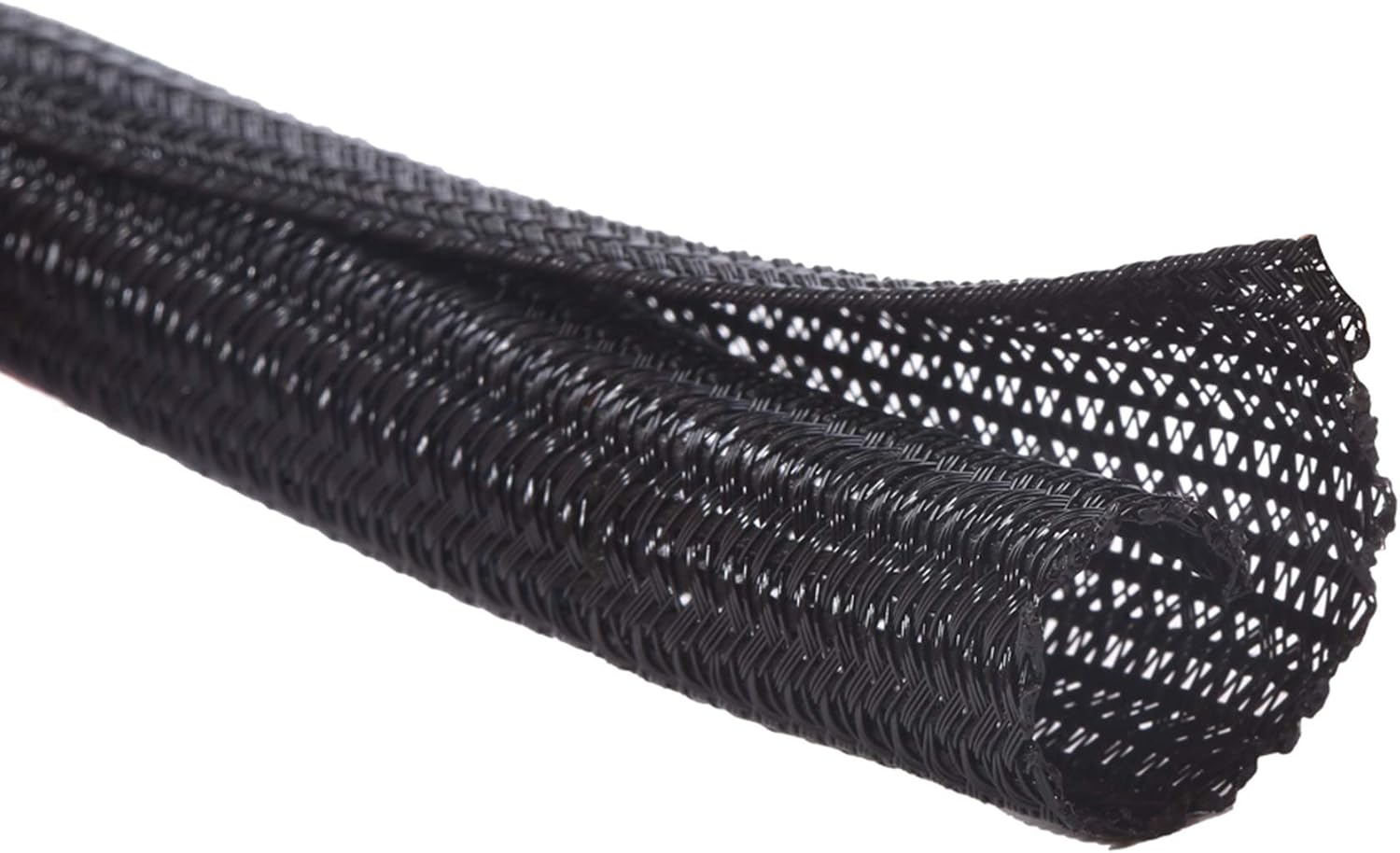
Alex Tech 10ft 1/2" Cord Protector
Heavy-duty self-closing split-loom sleeving that shields live cables against needle-sharp kitten milk teeth effortlessly.
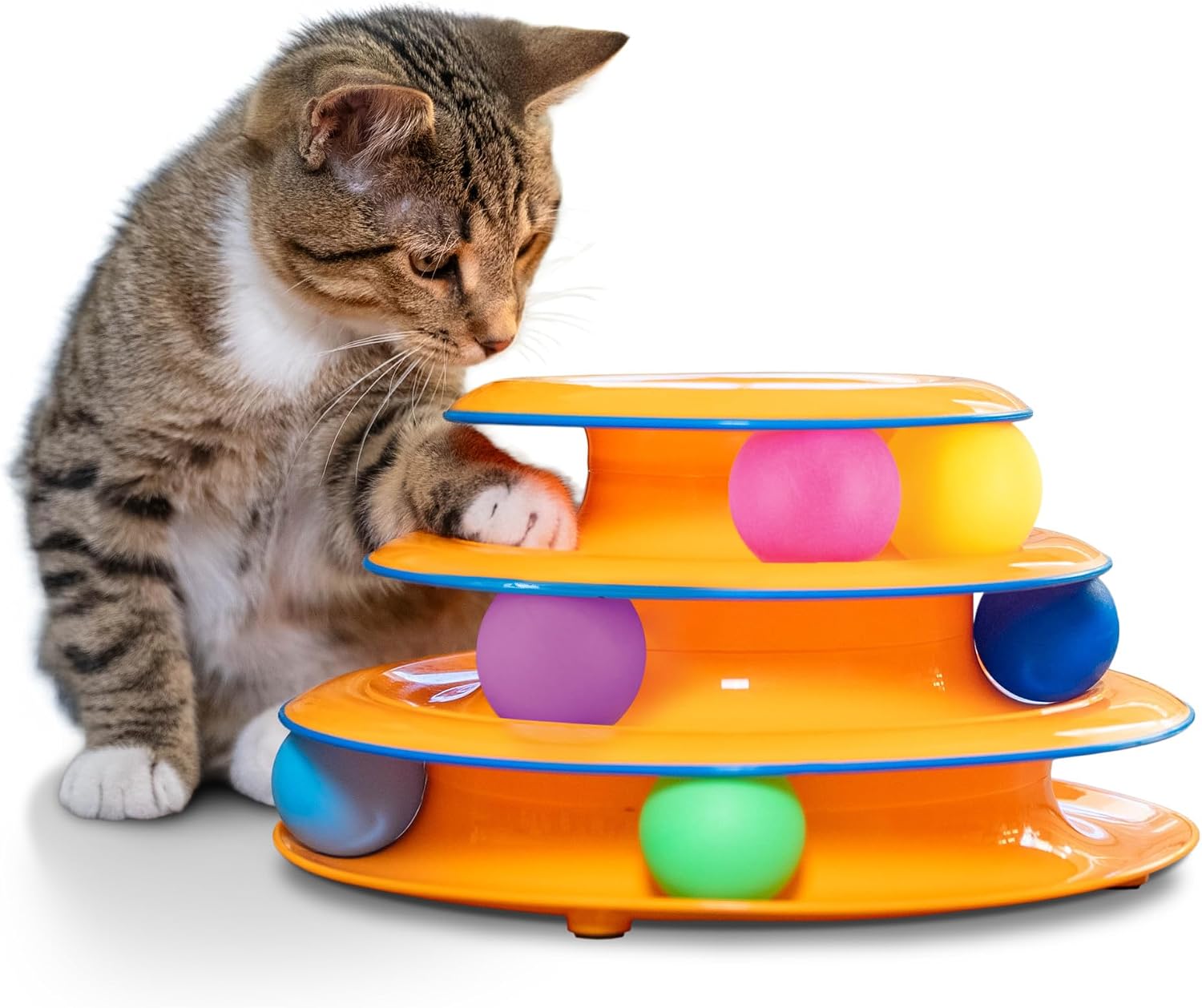
Petstages Dental Chewing & Teething Stick
Textured rubber and mesh teething toy that massages inflamed gums and redirects natural chewing impulses safely.
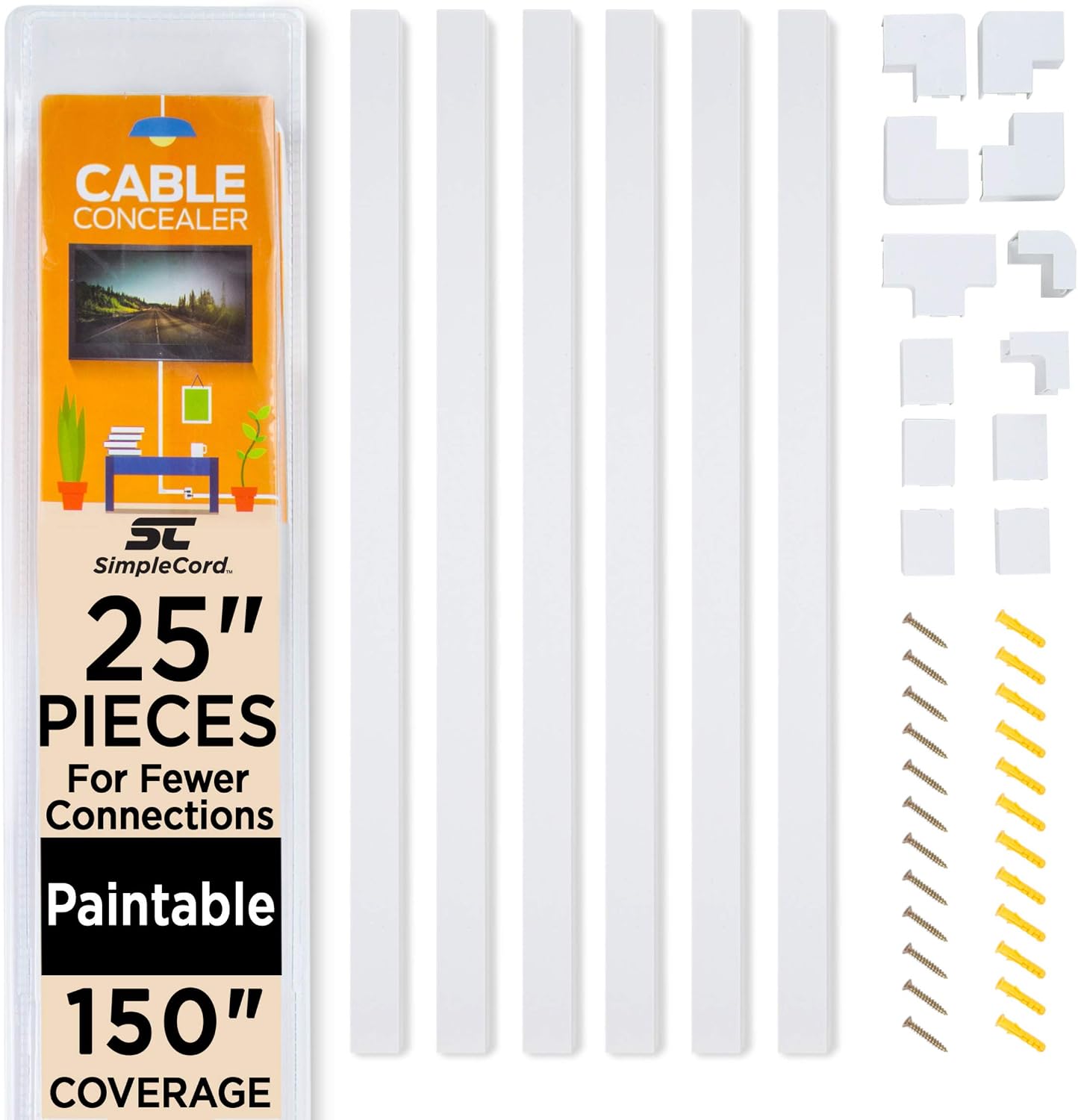
D-Line Cable Management Organizer Box
Heavy-duty latching box that securely hides surge protectors, power strips, and loose charging cords out of reach.
Frequently Asked Questions
Why do kittens chew on electrical cables and phone chargers?
Kittens chew cables primarily due to teething discomfort between 12 weeks and 7 months of age as their permanent adult teeth erupt through sensitive gum tissue. In addition, loose, dangling cords mimic the twitching tails of prey animals, triggering instinctive predatory stalk-and-bite reflexes. Felines can also sense the faint electromagnetic warmth and high-frequency hum emitting from live electrical wiring.
Why do bitter apple and deterrent sprays fail to stop cord chewing?
Bitter deterrent sprays evaporate rapidly (often losing potency within 4 to 12 hours), require constant reapplication, and frequently fail because many cats lack the specific taste receptors that find citrus or bitter apple offensive. Furthermore, aerosol sprays can induce acute startle anxiety, and kittens groom the chemical residue off their fur, leading to digestive upset without solving the underlying urge to chew.
Can a kitten get electrocuted from biting through a phone charger?
Yes. Even low-voltage 5-volt USB cables can deliver an electrical burn or micro-shock that blisters a kitten's tongue and oral mucosa. Standard 120-volt household lamp or appliance cords carry life-threatening amperage that can cause severe oral ulceration, cardiac arrhythmias, seizures, and non-cardiogenic pulmonary edema (fluid in the lungs). Any suspected electrical shock requires immediate emergency veterinary care.
What are the best safe chew toys for teething kittens?
The best veterinary-approved teething alternatives include textured rubber dental toys designed specifically for kittens, organic silvervine dental chew sticks, chilled wet washcloths knotted into chew ropes, fresh pesticide-free wheatgrass, and puzzle feeders filled with crunchy dental treats to redirect chewing energy constructively.