
Destructive furniture scratching is one of the most frustrating behavioral complaints among indoor cat parents. Yet feline scratching is an instinctive, multi-purpose biological requirement: it sheathes old claw husks, stretches the intervertebral spine, releases emotional tension, and deposits pheromones from interdigital scent glands located between feline paw pads.
When you understand what drives feline claw mechanics, redirecting claws away from heirloom furniture and expensive rugs becomes simple, fast, and completely stress-free.
The Anatomy of Why Cats Choose Couches Over Cheap Posts
Most commercial cat scratching posts sold in pet stores fail because they are built too short (under 22 inches) and too lightweight (under 5 pounds). When an adult cat approaches a lightweight post, sinks their claws in, and pulls backward with 15 pounds of muscular force, the post tips, wobbles, or collapses onto them.
Once frightened by an unstable post, a cat naturally seeks out the most solid, immovable object in the home: your 120-pound sofa. Couches do not wobble when hooked, offering the perfect resistance for an invigorating morning stretch.
Vertical Stretchers vs. Horizontal Carpet Scratchers
Every cat displays an innate scratching orientation preference:
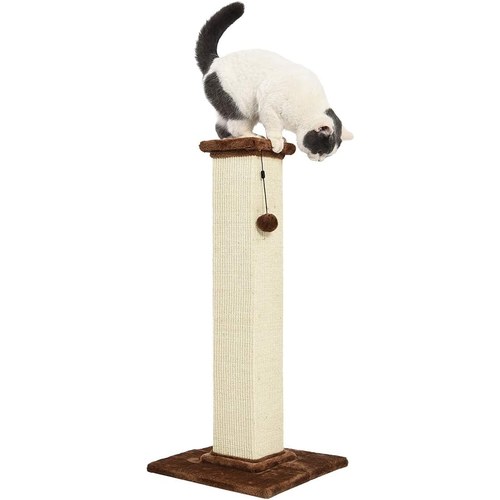
- Vertical Stretchers: Cats that reach high up on couch arms, doorframes, and wallpaper require tall pillars at least 30 to 32 inches high so their front limbs can fully extend above head height.
- Horizontal Scratchers: Cats that shred stair risers, hallway runners, or carpet seams prefer flat or angled ramps made of dense honeycomb cardboard or textured sisal mats resting directly on the floor.
- Multi-Angle Scratchers: Incline ramps provide a 30 to 45 degree angle that satisfies both stretch and downward leverage, ideal for playful kittens and aging cats with lumbar sensitivity.
Woven Sisal Fabric vs. Sisal Rope vs. Carpet
Material texture dictates claw engagement:
- Woven Sisal Fabric (Gold Standard): Made of tightly woven plant fibers. Claws sink deeply between vertical weaves, allowing a clean downward pull without snagging. It lasts 3 to 4 times longer than twisted rope.
- Wound Sisal Rope: Common on budget cat trees. As rope strands are sliced by claws, they unravel into loose loops that catch claws or drop messy fiber dust.
- Carpet-Covered Posts (Avoid): Carpet posts teach cats that carpet fibers are acceptable claw targets, inadvertently encouraging them to shred your living room rugs.
Top 4 Scratching Posts & Protectors Tested by Felines Love
We tested leading scratchers for base stability, vertical reach, fiber longevity, and successful couch redirection:

Amazon Basics Premium 35.4-Inch Sisal Post
Extra-tall 35.4-inch solid wooden scratching post wrapped in natural jute fiber rope with a broad, weighted wooden base engineered to never wobble under full-body vertical stretches.

EHEYCIGA Incline Cardboard Scratcher (26.8")
Tall 26.8-inch triangular vertical cardboard scratcher featuring dense corrugated honeycomb panels that allow comfortable full-stretch clawing while catching discarded claw sheaths.

Kitty City Premium Sisal Post with Perch
Durable 32-inch natural sisal post topped with a padded plush lookout perch platform and dangling jingle play toys that satisfy climbing, scratching, and surveying instincts in one unit.

Anti-Scratch Couch Furniture Protectors
Crystal-clear heavy-duty vinyl couch corner shields with upholstery twist pins that create an ultra-smooth claw-slip surface, ending destructive couch shredding instantly.
Comparison: Leading Cat Scratchers & Furniture Savers
| Scratcher Model | Scratching Material | Height / Dimensions | Best Scratching Style |
|---|---|---|---|
| Amazon Basics 35.4" | Natural Jute Fiber Rope | 35.4 Inches Tall | Aggressive Vertical Stretchers |
| EHEYCIGA 26.8" Incline | Honeycomb Corrugated Cardboard | 26.8 Inches Tall | Carpet & Floor Scratchers |
| Kitty City Premium | Natural Sisal Pillar | 32 Inches with Perch | Climbers & Perchers |
| Anti-Scratch Shields | Ultra-Smooth Heavy Vinyl | Multi-Pack Sheets | Direct Couch Corner Protection |
Step-by-Step Protocol to Redirect Claws in 7 Days
You cannot punish scratching out of a cat; physical discipline merely breeds human avoidance and nocturnal clawing. Follow this proven 3-phase redirection protocol:
- Phase 1: Neutralize the Furniture Target: Apply clear vinyl scratch shields or double-sided sticky paws tape directly over the frayed upholstery. When your cat paws slip smoothly without hooking, the mechanical reward vanishes.
- Phase 2: Establish the Superior Alternative: Position your new 32-inch sisal post directly next to the shielded couch corner. Rub fresh organic catnip or spray silvervine hydrosol along the top 10 inches of the post to stimulate investigative sniffing.
- Phase 3: Positive Reinforcement Marking: When your cat sinks their claws into the sisal post, immediately deliver enthusiastic verbal praise and a high-value freeze-dried treat. Pair this with interactive hunting toys like wand teasers or multi-level climbing stations like the best cat trees for apartments to exhaust energy.
Frequently Asked Questions
Why do cats scratch furniture instead of their posts?
Cats scratch furniture because couches are heavy, anchored, and tall enough to allow a full-body spinal stretch without wobbling. Flimsy, short cat posts wobble under pressure, driving cats back to sturdy upholstery.
What is the best material for a cat scratching post?
Woven sisal fabric is the veterinarian gold standard. Unlike wound sisal rope, woven sisal allows claws to hook smoothly and shred fibers with satisfying resistance without catching or fraying into hazardous strands.
How tall should a cat scratching post be?
A scratching post should be at least 30 to 32 inches tall. This height allows an adult domestic cat to stand on their hind legs and extend their front paws fully upward for a complete back and shoulder stretch.
Where should you place a scratching post to stop couch clawing?
Place the scratching post directly in front of the couch corner your cat targets. Placing posts in secluded corners fails because scratching is a visual and scent territorial marking behavior meant for prominent social areas.
Restoring Harmony Between Claws and Furniture
Scratching is a joyful, healthy biological expression of feline vitality. By pairing sturdy, woven sisal towers with temporary couch protectors and patient positive rewards, you protect your furniture investment while giving your cat the ultimate scratching satisfaction.
For more environmental enrichment strategies, explore our comprehensive guides on interactive indoor fitness toys, stopping kitten chewing without bitter sprays, and safe DIY natural cat toys.