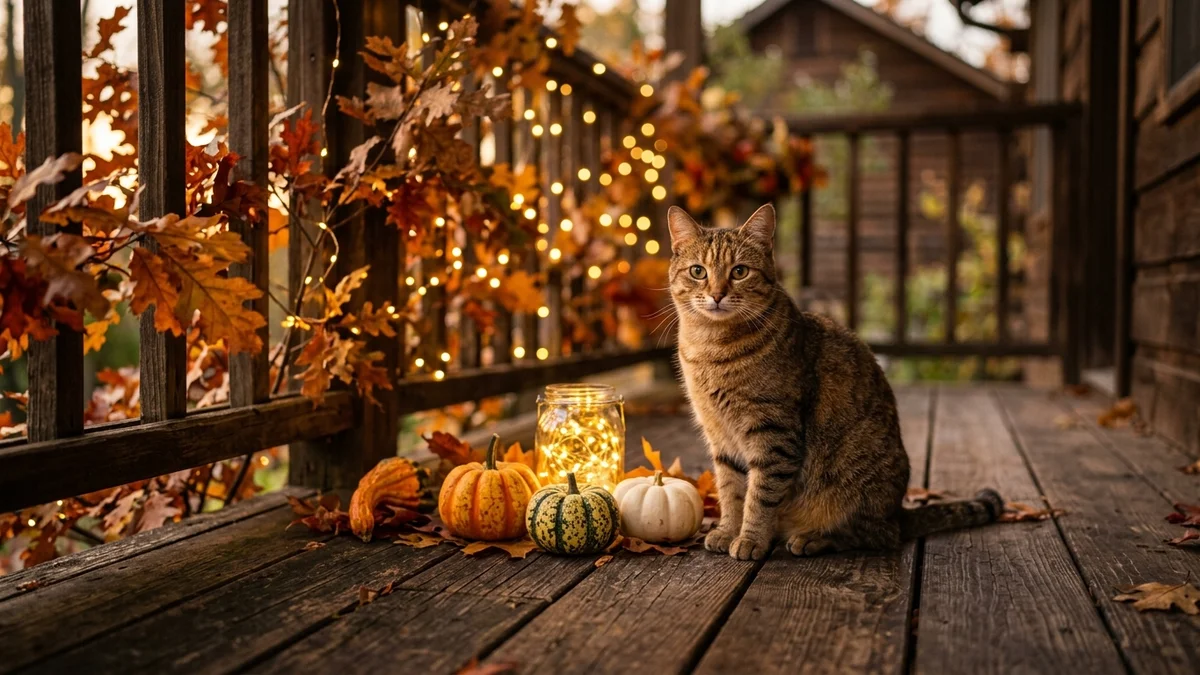
Quick Answer: As autumn leaves fall and Halloween jack-o-lanterns glow on front porches, felines love exploring festive scents. Veterinary behaviorists emphasize structured routines, positive reinforcement, and specialized feline environmental enrichment.
QUICK VETERINARY SUMMARY
Is pumpkin safe for cats? Yes—100% pure plain cooked pumpkin is widely recommended by veterinarians to soothe digestive upset, relieve mild constipation, and gently sweep hairballs through the GI tract. However, pumpkin pie mix, spiced canned fillings, raw pumpkin rind, and decaying carved jack-o-lanterns are dangerous or toxic to felines.
Every October, millions of cat parents fill their kitchens with fresh pumpkins, cozy autumn aromas, and festive Halloween candies. While your curious companion will likely sniff the bright orange squash on your counter, you might find yourself wondering: can cats eat pumpkin safely?
Unlike dogs, who often accept any scrap dropped from the cutting board, felines are obligate carnivores with highly specialized digestive tracts. Yet plain pumpkin occupies a unique, veterinarian-celebrated place in feline nutrition: it is one of the safest and most effective natural digestive supplements available.
However, the difference between a soothing digestive superfood and an emergency veterinary visit comes down to preparation, spices, and portion control. Here is everything you need to know about feeding pumpkin to your cat safely this fall.
1. The Science: Why Veterinarians Recommend Pumpkin for Cats
Cats derive the vast majority of their daily caloric needs from animal proteins and fats. Their short digestive tracts are not built to process heavy carbohydrates or grain starches. Pumpkin is different: it is composed largely of water (over 90%) and biologically active dietary fiber.
A Dual-Action Fiber Powerhouse
Pumpkin acts as nature's digestive regulator because it contains a balanced ratio of two vital types of fiber:
- Soluble Fiber: Dissolves in water within the gastrointestinal tract to form a gentle, soothing gel. This slows gastric emptying, slows digestion, and absorbs excess water—making it exceptionally effective at firming up mild, uninfected diarrhea.
- Insoluble Fiber: Draws moisture into the feline colon, creating bulk and softening hard, compacted fecal matter. This stimulates rhythmic peristaltic contractions, providing natural relief for sluggish bowels and mild constipation.
If you're already monitoring your cat's gastrointestinal habits with an automated health tracker like the Litter-Robot 4 or PetSafe ScoopFree SmartSpin, you may notice occasional stool consistency fluctuations during seasonal weather changes. Incorporating a tiny spoonful of pumpkin can restore gut balance in 24 to 48 hours.
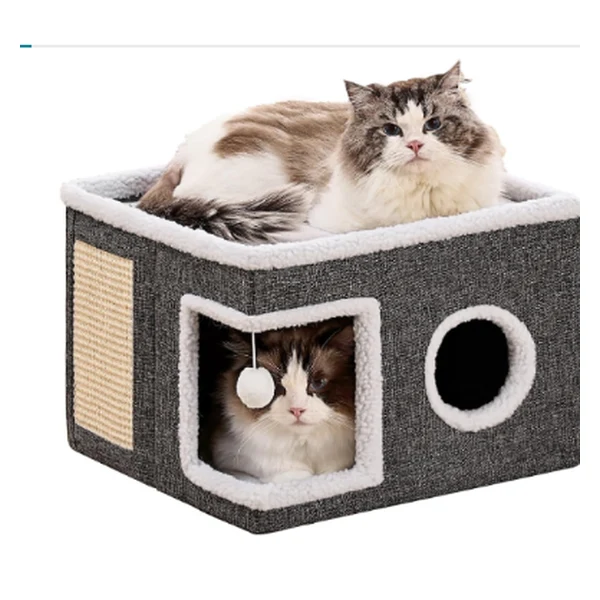
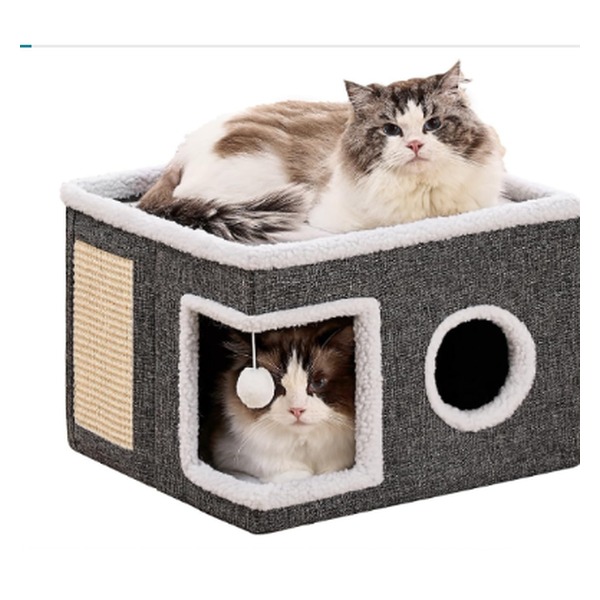 Best Cozy Autumn Retreat
Crispedia Foldable Cat Bed Cave & Scratch House
After enjoying a healthy fall treat, cats crave a dark, insulated hiding spot to digest in total peace. This enclosed den features a soft plush cushion inside and an integrated sisal scratching exterior to keep anxious cats relaxed all spooky season.
Check Price on Amazon →Hairball Reduction & Seasonal Shedding
As cats groom their thick autumn coats to prepare for winter, hairball formation peaks. Ingested hairs easily clump into dense gastric trichobezoars. The insoluble fiber in pumpkin sweeps hair through the stomach before it can form a blockage. For more autumn grooming tips, explore our Senior Cat Hairball Prevention Guide and Cat Deshedding & Coat Care Guide.
Additionally, pumpkin is very low in calories (roughly 5 calories per tablespoon) yet high in volume. For indoor cats prone to winter weight gain, replacing a teaspoon of dry kibble with pure pumpkin helps your feline feel full and satisfied without packing on extra pounds.
2. The Critical Difference: Pure Canned Pumpkin vs. Pumpkin Pie Mix
When shopping in grocery store aisles, packaging can be deceptively similar. Grabbing the wrong can is one of the most common seasonal poisoning mistakes pet owners make.
| Attribute | 100% Pure Canned Pumpkin | Pumpkin Pie Mix (DANGEROUS) |
|---|---|---|
| Ingredients | Pumpkin only | Pumpkin, sugar, syrup, spices, salt |
| Nutmeg Content | Zero | Contains myristicin (neurotoxic to cats) |
| Sweeteners | Zero added sugars | Heavy refined sugar or artificial sweeteners (Xylitol) |
| Feline Verdict | 100% Safe & Recommended | STRICTLY TOXIC |
Why Nutmeg is Lethal to Felines: Traditional pumpkin pie spices contain nutmeg, which contains the potent toxin myristicin. In cats, myristicin causes severe disorientation, tremors, seizures, rapid heart rate, and hallucinations. Cinnamon can irritate fragile oral membranes and feline lungs, while allspice contains eugenol, an aromatic oil feline livers cannot detoxify.
For more details on household toxins to keep away from your feline, review our guides on Toxic Foods for Cats and our analysis in Is Mint Safe for Cats?.
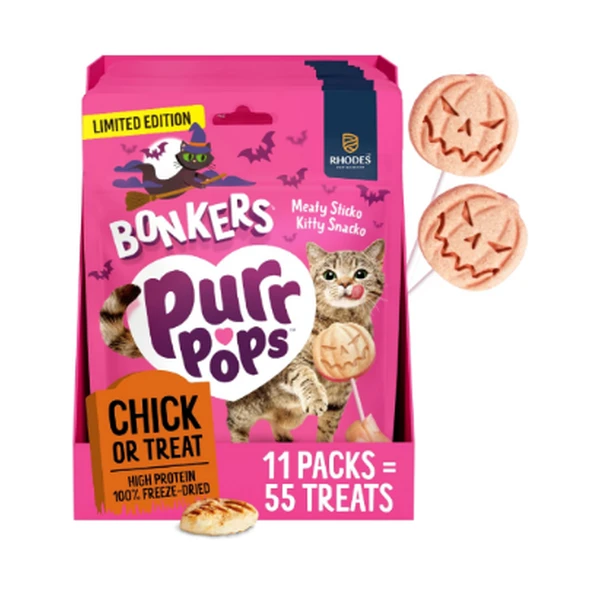
 Best Safe Halloween Treat
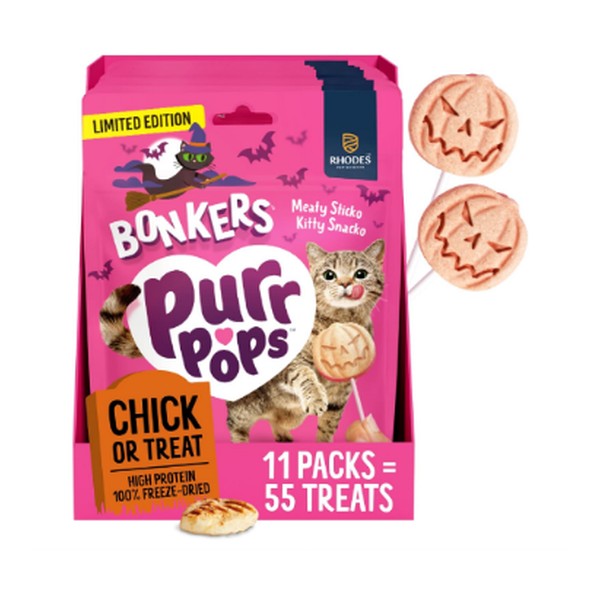
Bonkers Purrpops Halloween Chicken Cat Treats
While human kids indulge in Halloween candy, reward your cat with these crunchy, meat-packed seasonal bites. Formulated with real chicken and zero artificial colors, they offer a festive Halloween reward without the gastrointestinal risks of kitchen scraps.
Check Price on Amazon →3. Halloween Pumpkin Hazards: Jack-o'-Lanterns, Seeds & Stems
Carving a Halloween pumpkin is a beloved holiday ritual. However, keeping jack-o'-lanterns around curious felines requires specific vigilance:
Hazard 1: Raw Rind and Woody Stems
While cooked pumpkin flesh is gentle on feline intestines, tough outer rinds and woody stems are completely indigestible. If a curious cat chews on hard carving scraps left on the floor, the rigid chunks pose severe choking hazards or can cause a complete gastrointestinal obstruction requiring emergency surgical extraction.
Hazard 2: Outdoor Carved Pumpkin Mold
Within 48 hours of carving, exposed pumpkin flesh sitting on a damp porch begins decaying. Carved pumpkins quickly cultivate colonies of black mold, fungal spores, and bacterial mycotoxins. If your outdoor or indoor cat licks a decomposing jack-o'-lantern, they risk acute gastroenteritis, tremors, and severe stomach distress.
Hazard 3: Open Candle Flames
An open candle flickers hypnotically inside a jack-o'-lantern, proving irresistible to playful paws. Cats jumping onto porch railings or side tables can singe delicate whiskers, scorch their paws, or knock over the pumpkin and ignite a house fire. Always use flameless battery-operated LED tea lights inside your Halloween decorations.
 Best Halloween Stress Relief
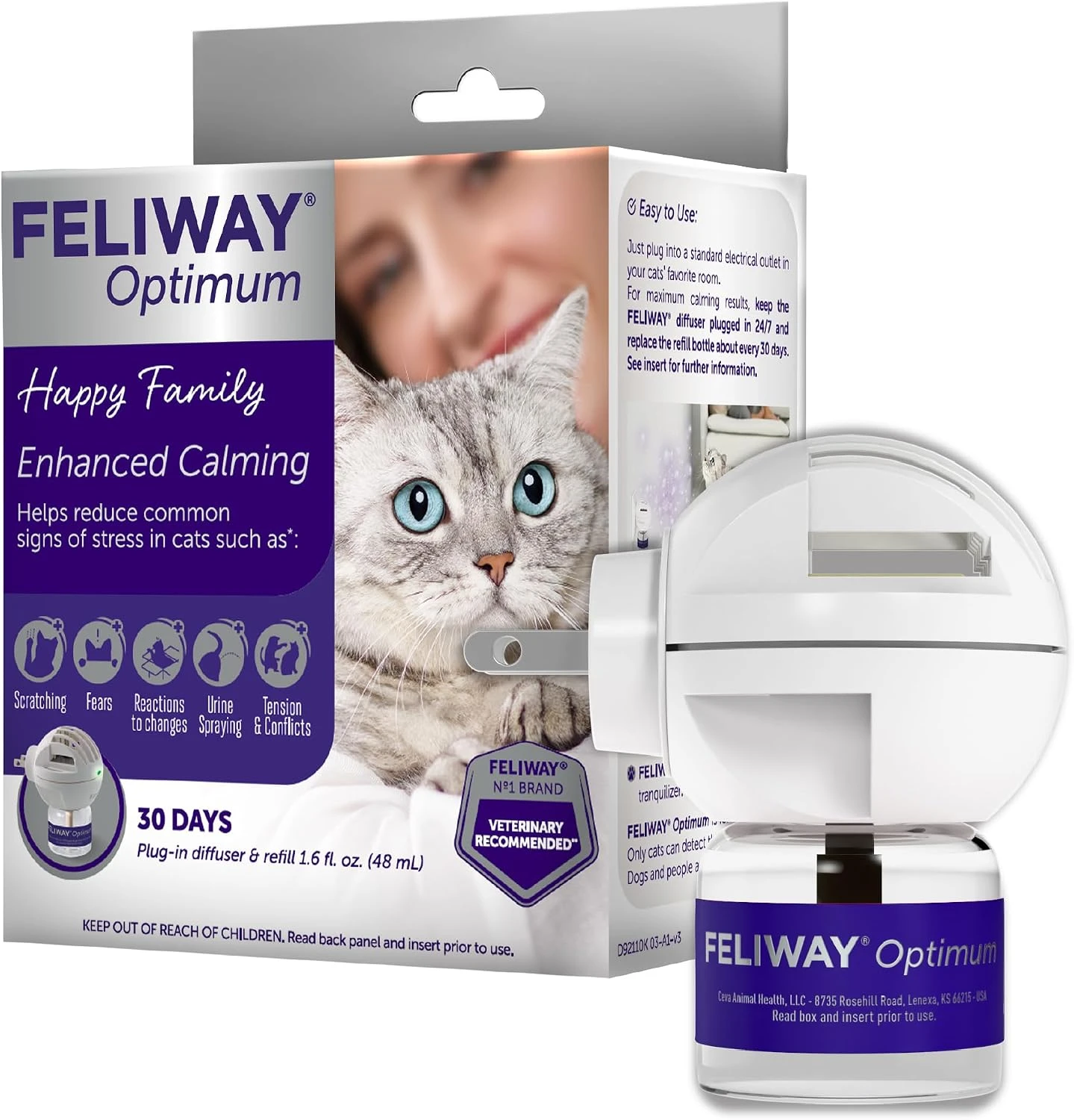
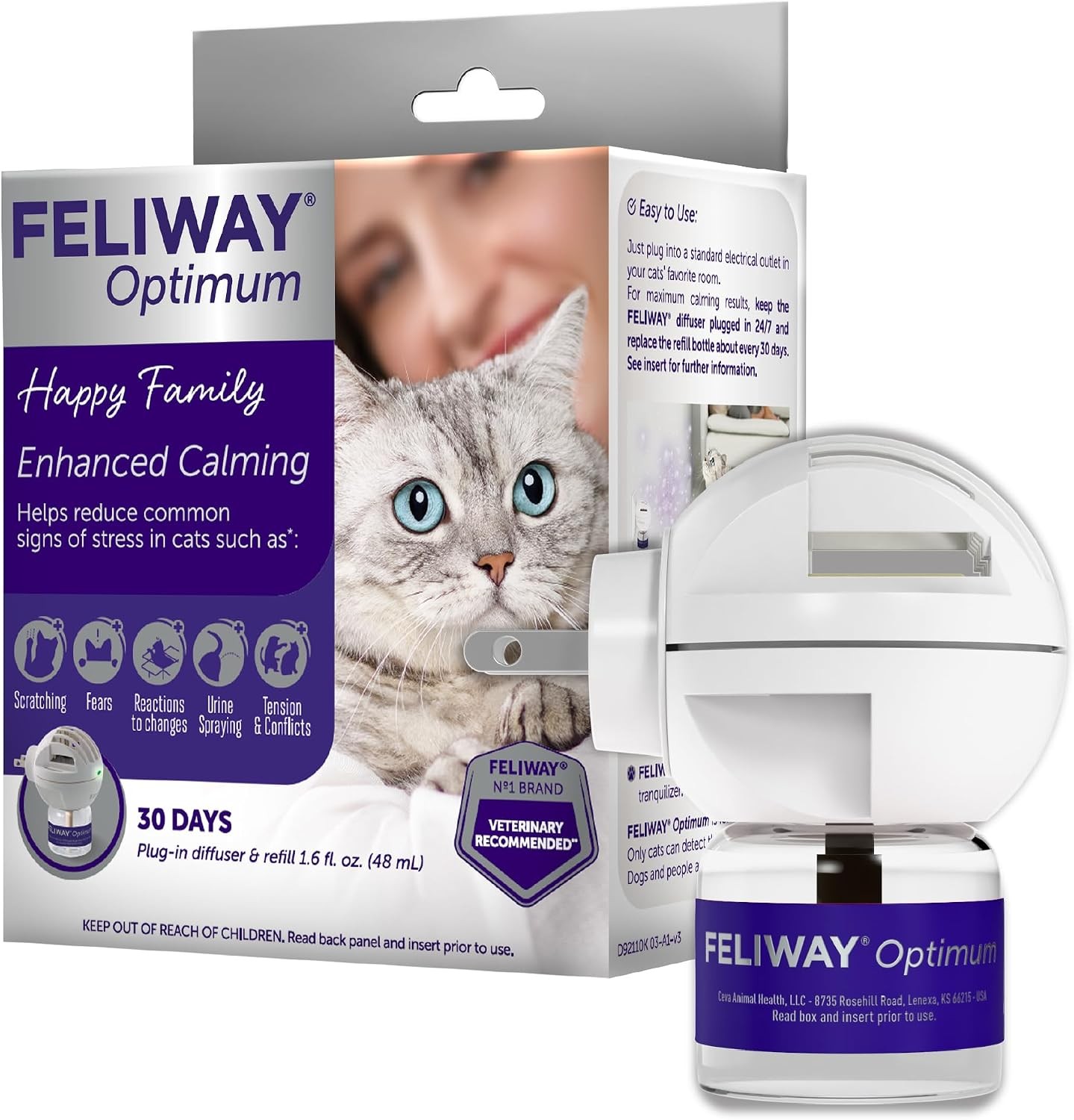
FELIWAY Optimum Calming Pheromone Diffuser
Between doorbell chimes, costumed visitors, and autumn commotion, cats often retreat under beds in distress. This advanced pheromone complex sends reassuring natural signals that help cats feel safe, reducing hiding, urine spraying, and stress-related digestive upset.
Check Price on Amazon →4. How Much Pumpkin Should You Feed Your Cat? (Dosage Guidelines)
Because pumpkin is densely packed with dietary fiber, giving your feline too much can pull excessive water into the bowel, triggering diarrhea or flushing out vital nutrients before absorption occurs. Always adhere to these veterinary-tested portion guidelines:
- Kittens (under 6 months): Not recommended unless specifically instructed by your vet, as developing digestive biomes are fragile.
- Small Cats (5–9 lbs): 1/4 to 1/2 teaspoon per day, mixed thoroughly into wet food.
- Average Cats (10–14 lbs): 1/2 to 1 teaspoon once daily (or split into 1/2 teaspoon morning and evening).
- Large Breeds (15+ lbs, e.g., Maine Coons): 1 to 1.5 teaspoons daily.
Pro Prep Tip: Once opened, canned pumpkin spoils in the refrigerator after 4 to 5 days. Scoop single-teaspoon portions into a clean silicone ice cube tray and freeze solid. Store the pumpkin cubes in a freezer bag and thaw one in the fridge overnight whenever your cat needs gentle gut relief!
5. What If My Cat Refuses to Eat Pumpkin?
Cats are notoriously selective about food textures and aromas. While many felines appreciate the subtle sweetness of plain pumpkin puree, others turn their noses up at it (learn more in Why Your Cat Sniffs Food But Won't Eat). If your cat is hesitant, try these proven tricks:
- The Bone Broth Gravy: Whisk 1/2 teaspoon of pumpkin with two tablespoons of warm, sodium-free chicken or tuna bone broth until silky smooth. Drizzle it over their favorite wet meal.
- Lickable Puree Blend: Blend the pumpkin puree into a high-value lickable puree treat tube (like Churu). The intense aroma of tuna or chicken effortlessly masks the mild pumpkin taste.
- Crunchy Dental Rewards: If puree texture is rejected entirely, pair wet food with veterinarian-approved crunchy bites like FELINE GREENIES Dental Treats to support digestion and oral health.
Frequently Asked Questions
Can cats eat canned pumpkin puree?
Yes, 100% pure plain canned pumpkin puree is safe and frequently recommended by veterinarians. However, never feed canned pumpkin pie filling, which contains toxic spices like nutmeg, cinnamon, and dangerous sweeteners like xylitol.
How much pumpkin can I give my cat per day?
Start small with 1/2 teaspoon mixed into their regular wet food. For adult cats, 1/2 to 1 teaspoon once or twice daily is the maximum recommended portion to prevent diarrhea or fiber overload.
Can cats eat raw pumpkin carved from a Halloween jack-o-lantern?
No. Raw pumpkin flesh and rinds are tough to digest and pose choking or intestinal blockage hazards. Furthermore, carved jack-o-lanterns left outdoors rapidly harbor mold, bacteria, and candle soot residue.
Does pumpkin help cats with constipation and diarrhea?
Yes. Pumpkin contains both soluble and insoluble fiber. Soluble fiber absorbs excess water to firm up loose stool, while insoluble fiber adds bulk and moisture to gently relieve mild constipation and ease hairball passage.
The Final Verdict: A Healthy Autumn Tradition
When used thoughtfully, pumpkin is one of nature's greatest digestive remedies for cats. By choosing 100% plain canned puree, avoiding toxic holiday pie mixes, and keeping decorative porch pumpkins safely out of chewing reach, you can share a warm, healthy autumn experience with your favorite feline.
Serve a tiny spoonful with tonight's dinner, prepare a soothing sanctuary room with a calming diffuser, and enjoy the cozy autumn ambiance with your happy, purring friend!